Cuba Releases Political Prisoners After Vatican Mediation
Cubalex confirms the release of over 20 political prisoners while the Cuban government maintains official silence on the exact number of the promised 51.
4 min read
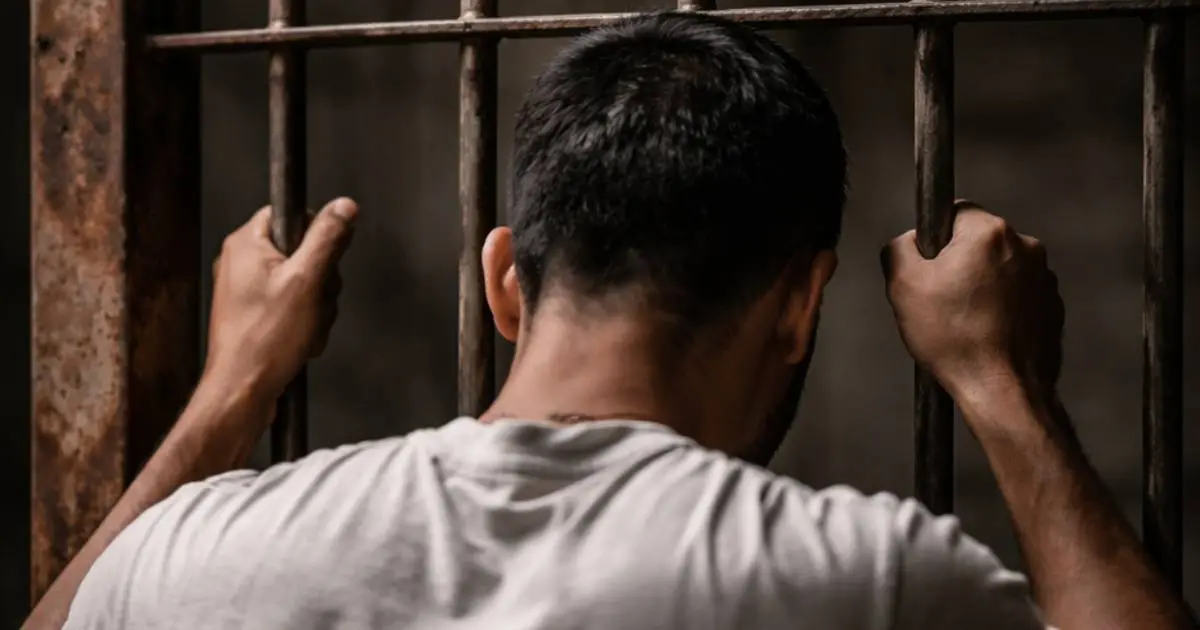
Photo: CiberCuba
March 25, 2026 marked a historic moment when the Cubalex organization officially confirmed the release of over 20 political prisoners from Cuban jails. This action is part of the government’s commitment to free 51 inmates announced on March 12, following intensive Vatican mediation.
A Process Without Official Transparency
The release has been shrouded in secrecy. The Cuban government has not provided an official list of those freed, maintaining the characteristic opacity of these sensitive diplomatic negotiations.
According to sources close to the process, the releases include 11J (July 11, 2021) protesters and other activists detained in subsequent demonstrations. Vatican mediation, led by Holy See officials, played a crucial role in these silent negotiations.
Political Context: This release occurs at a time of maximum tension between Cuba and the United States, with Trump’s government intensifying diplomatic and economic pressures on the island.
Release Under State Surveillance
The freed prisoners have not regained complete freedom. According to testimonies collected by human rights organizations, most remain under constant state surveillance, with movement restrictions and prohibitions on public political activity.
This “conditional freedom” modality has been criticized by international bodies as a cosmetic measure that does not address the underlying problem of political repression in Cuba.
Vatican’s Crucial Role
The Vatican has historically maintained an open diplomatic channel with Cuba since Pope John Paul II’s 1998 visit. Current papal mediation fits within traditional Vatican diplomacy that seeks to resolve humanitarian crises through quiet diplomacy.
Diplomatic sources suggest negotiations began in January 2026, when Vatican representatives secretly met with Cuban and American officials to explore détente pathways.
Impact on Cuban Diaspora
The release has generated mixed reactions in the Cuban exile community. While some celebrate it as a positive step, others consider it insufficient given the magnitude of political repression on the island.
María González, a Miami activist with imprisoned relatives in Cuba, stated: “We celebrate every release, but we continue demanding freedom for all political prisoners and an end to systematic repression.”
Energy Crisis Context
These releases occur while Cuba experiences its worst energy crisis in decades, with blackouts lasting up to 16 hours daily that have sparked spontaneous protests across various territories.
The combination of economic crisis, fuel shortages, and social unrest has created a pressure scenario that some analysts consider decisive in the government’s decision to release political prisoners.
International Organizations Demand More
Amnesty International and Human Rights Watch have cautiously welcomed the measure but insist that Cuba must release all political prisoners and cease systematic repression against dissent.
According to Prisoners Defenders’ latest report, Cuban prisons still hold at least 1,023 political prisoners, a figure the Cuban government systematically denies.
Frequently Asked Questions About the Releases
How many political prisoners were actually released?
Although the government promised to release 51, Cubalex has only officially confirmed over 20 releases. The discrepancy in numbers raises doubts about full compliance with the announced commitment.
What role did the Vatican play in negotiations?
The Vatican acted as a neutral mediator between parties, using its traditional diplomatic channels. The Holy See has historical experience in similar crises throughout Latin America.
Do those released have complete freedom?
No. Most remain under police surveillance with movement restrictions. Many cannot leave their provinces of residence or engage in public political activities.
What does this mean for Cuba-US relations?
The release could be a goodwill gesture in response to American diplomatic pressures, but it doesn’t resolve structural problems dividing both countries.
The human rights situation in Cuba remains a sensitive issue requiring constant international attention. The release of political prisoners, though limited, represents a step in the right direction that must be accompanied by deep structural reforms.
Related articles you might find interesting:
- Cuba releases 51 political prisoners after Trump ultimatum: beginning of a new era?
- Uruguay hosts record 22,000 Cubans in 2025: becomes third-largest asylum destination
- US plans Guantanamo camp for Cubans fleeing Trump’s own oil blockade
- ICE Deports 117 Cubans on Flight to Havana: 2026 Total Reaches Historic Levels
- USCIS Freezes Asylum Approvals for Cubans: 75 Countries Affected by New Policy
How we got here
Background
The first thing we published on this topic.
US Diplomat: 'Cuban Regime Won't Survive 2026'
Mike Hammer, head of the US mission in Havana, says the Cuban government faces a critical moment and sends message of hope to the people.
Cuban Dissident Influencers from El4tico Held in Provisional Prison
Ernesto Ricardo Medina and Kamil Zayas, creators of El4tico, face charges of propaganda against the constitutional order in Holguín.
Related articles
Cuba Releases 21 Political Prisoners After Vatican Mediation
Cubalex confirms release of 21 protesters from July 11 demonstrations out of 51 promised by Cuban government following diplomatic Vatican efforts

Luis Manuel Otero begins hunger strike after threats in prison
Cuban artist Luis Manuel Otero starts a hunger strike in Guanajay prison following serious death threats from authorities.
Cuba Declares Alert Over Possible U.S. Military Aggression
Deputy Foreign Minister Carlos Fernández de Cossío warns that Cuban armed forces are preparing for rising tensions with Washington.

Federal Court Orders Release: Habeas Corpus Emerges as Key Defense
California courts order immediate release of immigrants illegally detained under wrong statute. What this means for Cuban community?
Protesters ransack Communist Party office in Morón over blackouts
Cuban demonstrators attack Communist Party building in rare protest over blackouts and food prices. Five arrested in uncommon act of public dissent.
US Diplomat: 'Cuban Regime Won't Survive 2026'
Mike Hammer, head of the US mission in Havana, says the Cuban government faces a critical moment and sends message of hope to the people.