Florida and US Southern Command on Alert for Possible Cuban Exodus
US Southern Command and Florida reinforce coastal surveillance amid fears of a massive migration crisis on the island.
2 min read
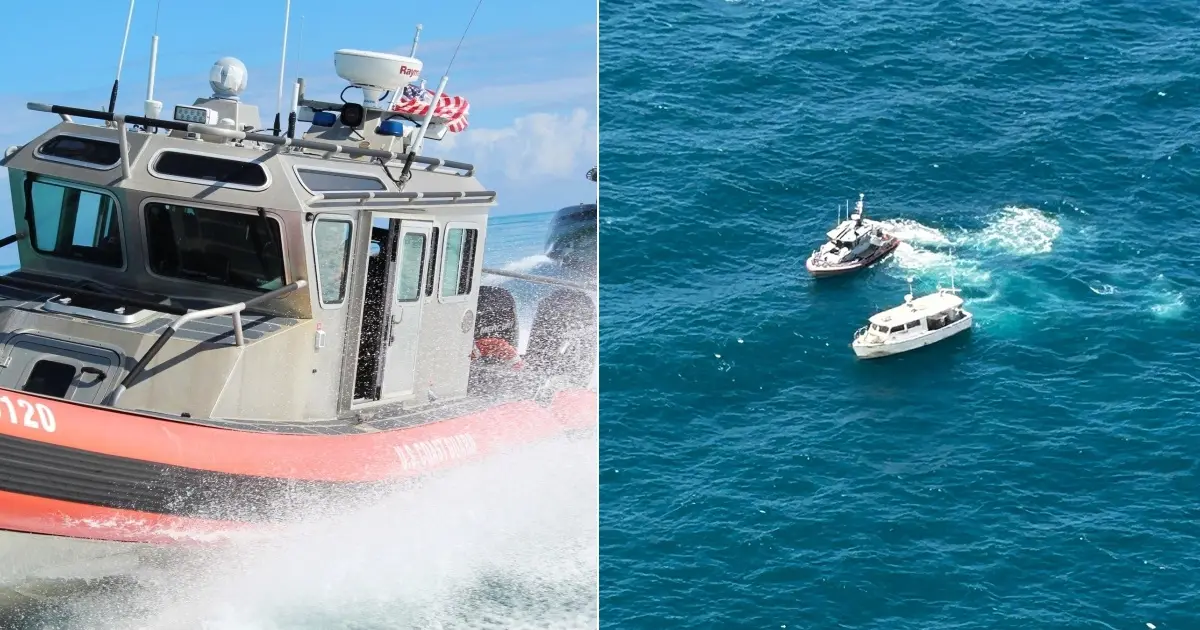
Photo: CiberCuba
Migration tensions between Cuba and the United States have reached a new critical point this March 2026. Given the deepening internal crisis on the island—marked by 15-hour blackouts and unprecedented food shortages—US Southern Command (SOUTHCOM) and the Florida state government have activated emergency protocols to intercept and manage a potential mass exodus by sea.
Florida Governor Ron DeSantis announced the deployment of additional National Guard and Coast Guard personnel to the Florida Keys. “We will not allow instability in the Caribbean to turn into an uncontrollable humanitarian crisis on our shores,” the governor stated in a recent press conference.
Key Deployment Points:
- Air and Sea Surveillance: Extra drones and patrol boats are monitoring the waters of the Florida Straits 24 hours a day.
- Contingency Plans: Southern Command has updated its disaster response and mass migration plans, prioritizing the security of the diplomatic mission in Havana and providing logistical support to the Department of Homeland Security (DHS).
- Humanitarian Concern: International organizations warn that desperation in Cuba could push thousands to take to the sea in precarious vessels, similar to the 1994 “balseros” crisis.
The situation is further complicated by Nicaragua’s recent decision to eliminate visa-free travel for Cubans, closing one of the most frequently used land routes and leaving the sea as the only, albeit dangerous, immediate escape path.
Frequently Asked Questions
What is causing the fear of a new exodus? The combination of a total energy crisis, the collapse of basic services, and the lack of essential supplies in Cuba has created a level of social desperation comparable to the darkest moments of the “Special Period.”
What is Southern Command’s role in this crisis? SOUTHCOM is not planning a military intervention; instead, it is focusing on surveillance and the preparation of logistical infrastructure to process migrants intercepted at sea in a safe and orderly manner.
Is it safe to migrate by sea right now? No. Authorities from both countries warn that the currents of the Florida Straits are extremely dangerous and that the surveillance deployment makes interception and subsequent repatriation almost certain.
How does the cancellation of visa-free travel in Nicaragua affect things? With the land route through Central America closed, the migratory flow is concentrating on Cuban coasts, increasing pressure on US maritime surveillance and the risk of tragedies at sea.
Related Sources:
How we got here
Background
The first thing we published on this topic.
Nicaragua Closes the Door: Ends Visa-Free Entry for Cubans
Nicaragua ends visa-free entry for Cuban citizens, closing one of the main migration routes to the United States.
45,000 Cubans Face Deportation Orders in the US
Some 550,000 Cubans vulnerable under Trump's immigration policies. Separated families and a community under pressure.
Related articles

ICE Eyes Deportation of Florida Cubans with Serious Criminal Records
Federal agencies ramp up operations against Cuban immigrants with violent crimes. Discover the details of the recent Ice arrests in Florida.
FBI Mission Arrives in Cuba to Investigate Florida Speedboat Shooting
An FBI team arrived in Havana to investigate a February incident involving a Florida-based boat that left five dead.

DHS Technical Glitch Exposes Cuban Detainee Data
Technical failure reveals information about Cubans in ICE detention centers in Florida, Texas, and Minnesota, raising privacy concerns.
ICE Arrests 77 Migrants Daily in Florida: Record-High Cuban Numbers
New government data reveals ICE arrests in Florida tripled in 2025, with Cubans representing an alarming proportion of the 20,629 detentions.

Cuba Kills 4 on Florida Speedboat Near Villa Clara
Cuban border troops killed four and wounded six aboard a Florida speedboat that opened fire when approached in Cuban territorial waters near Villa Clara.
I sold my house to leave: Cubans stranded in Mexico
Thousands of Cubans deported to Mexico live in migration limbo without home, work, or future prospects. A silent humanitarian crisis.