Russia-Cuba Military Cooperation Intensifies in 2026
Rumors about the deployment of Russian weaponry in Cuba are growing following reports of secret flights and new defense agreements signed recently.
3 min read
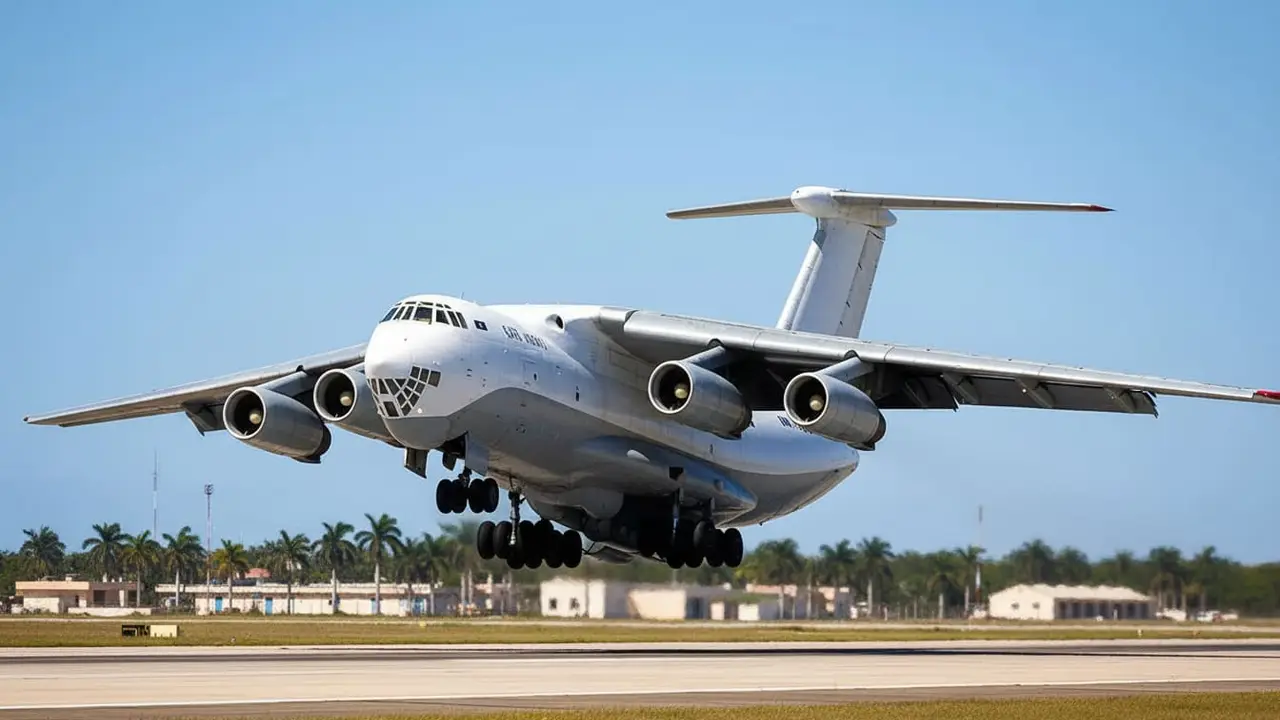
Photo: elconfidencialdigital.com
The strategic relationship between Moscow and Havana has taken a decisive turn in the early months of 2026. Following the expiration of the final nuclear arms control treaty between the United States and Russia, reports of advanced military equipment being present on the island have raised alarms in Washington.
Secret Flights and Defense Agreements
Recent reports from civil aviation and independent media have documented the landing of Russian Il-76 cargo aircraft at Cuban military airports. These movements coincide with the ratification of a military cooperation agreement signed in March 2025, which includes not only the delivery of military hardware but also joint exercises and high-level technical consultancy.
The Russian State Duma has revived the proposal to station long-range missiles in Cuba and Venezuela as a strategic response to NATO actions in Europe. Although official confirmation of nuclear warheads is absent, Russian “military consultancy” on Cuban soil is now more visible than at any time since the Cold War.
Geopolitical Impact
For the Cuban government, Moscow’s backing is a lifeline in the midst of a total energy crisis. According to analysts, the Kremlin uses its influence in the Caribbean to pressure the U.S. administration, led once again by Donald Trump, on the global chessboard that includes the conflict in Ukraine.
Uncertainty about the type of weaponry transferred keeps the region on edge. While Cuba claims this is merely technological modernization for national defense, the international community observes with concern the return of a confrontational rhetoric directly in the United States’ “backyard.”
Frequently Asked Questions (FAQ)
1. Are there currently Russian missiles in Cuba? The deployment of long-range missiles with warheads has not been officially confirmed, but deliveries of “unspecified military material” and the presence of Russian technicians have been detected.
2. What is the U. States’ stance on these movements? Washington views any expansion of Russian military presence in the Western Hemisphere as a direct provocation and has warned of diplomatic and economic consequences.
3. Why is Cuba accepting this cooperation now? The country is facing a desperate economic and energy situation. Russia offers fuel and logistical support in exchange for a strategic presence in the region.
4. Is this similar to the 1962 Missile Crisis? While the rhetoric is similar, the technological context has changed. Analysts suggest this is more of a geopolitical “bargaining chip” than an intention for an imminent attack.
Sources: El Confidencial Digital, Diario de Cuba.
Sources
- El Confidencial Digital · elconfidencialdigital.com
- Diario de Cuba · diariodecuba.com
How we got here
Background
The first thing we published on this topic.
Fernández de Cossío: Cuba Open to US Dialogue, No Talks Yet
The Cuban Vice Minister of Foreign Affairs clarifies Havana's position amid Trump's claims about alleged bilateral negotiations.
Trump Insists He's Negotiating with Cuba While Havana Denies It
The US president claims he's 'close' to a deal with Cuba, but Díaz-Canel's government maintains there's no formal dialogue underway.
Related articles

Russian Communist Leader: Cuba Made a 'Fatal Error' Betting on Tourism
Daria Mitina of Russia's United Communist Party said Cuba invested 32% in tourism vs. 12% in energy — calling it a 'fatal strategic mistake.'
Cuba's Foreign Minister Meets Putin and Lavrov in Moscow Amid Crisis
Bruno Rodríguez met Lavrov and Putin in Moscow. Russia pledges support for Cuba and demands the US abandon its naval blockade plans.
Russia: Cuba Situation 'Critical,' US 'Suffocating' the Island
Kremlin promises assistance to Havana. Mexico reiterates: 'You cannot strangle a people like this.'
Guyana Becomes New Cuban Migration Route - IOM Report
Cuban migration evolves toward South America with Guyana as strategic entry point, while Central American routes decrease 75% according to IOM data.

Trump Demands Removal of Díaz-Canel as Negotiating Condition
Washington conditions sanctions relief on a change in Cuban leadership to move forward with talks regarding the island's future.
Cuba announces massive pardon for 2,010 prisoners amidst crisis
The Cuban government will pardon more than 2,000 inmates as a 'humanitarian gesture,' while doubts remain regarding the inclusion of political prisoners.