Ropa Vieja: The Soul of Cuban Cuisine on a Plate
Discover the history, secrets, and traditional recipe of ropa vieja, Cuba's national dish that has conquered palates around the world.
3 min read
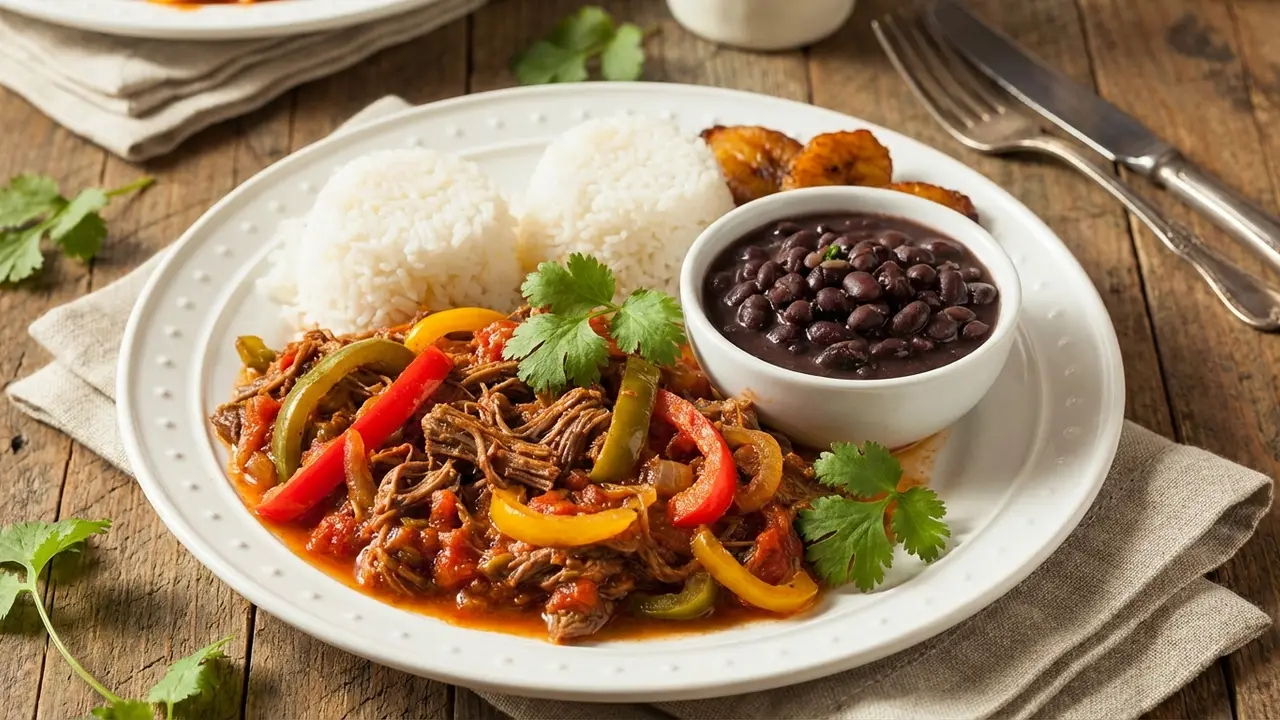
Illustration: Aroma de Cuba (AI)
If there’s one dish that defines Cuba’s culinary identity, it’s ropa vieja. These strands of shredded beef, bathed in a tomato sauce with peppers and onions, are much more than food — they’re memory, tradition, and the taste of home for millions of Cubans on the island and in the diaspora.
The Origin of the Name
Legend has it that a poor man, with nothing to offer his family, cooked his own old clothes with so much love that they transformed into meat. Beyond the myth, the name perfectly describes the dish’s appearance: the shredded meat resembles strips of old, tattered fabric. “Ropa vieja” literally translates to “old clothes.”
The dish has roots in the Canary Islands and arrived in Cuba during the colonial era. On the island, it adapted to local ingredients and the Creole palate, becoming something completely new.
Secrets to Great Ropa Vieja
The Meat
Traditionally flank steak is used, though brisket also works well. The key is cooking it slowly and patiently until it shreds easily.
The Sofrito
The heart of Cuban flavor: garlic, onion, peppers (red, green, and yellow if available), and tomato. Some add a splash of dry wine, cumin, and bay leaves.
The Time
There are no shortcuts. The meat needs 2-3 hours of slow cooking to achieve that perfect texture that melts in your mouth.
Traditional Recipe
Ingredients:
- 2 lbs flank steak
- 1 large onion, julienned
- 1 red bell pepper, sliced
- 1 green bell pepper, sliced
- 4 garlic cloves, minced
- 1 can crushed tomatoes (14 oz)
- ½ cup dry white wine (optional)
- 2 bay leaves
- 1 teaspoon cumin
- Olive oil
- Salt and pepper to taste
Preparation:
-
Cook the meat: In a large pot, cover the meat with water. Add salt, half an onion, and bay leaves. Cook over medium-low heat for 2-3 hours until very tender.
-
Shred: Remove the meat and let it cool. Save the broth. Using two forks, shred the meat into fine strips.
-
The sofrito: In a large skillet, heat oil and sauté garlic until golden. Add onion and peppers. Cook 10 minutes until soft.
-
Bring it together: Add tomatoes, cumin, and wine. Cook 5 minutes. Add the shredded meat and some reserved broth. Cook 15-20 more minutes, adjusting salt and pepper.
How to Serve It
Ropa vieja is always accompanied by:
- White rice — essential
- Black beans — the perfect marriage (together they form “moros y cristianos”)
- Fried sweet plantains — the sweet touch that contrasts
- Yuca with mojo — optional but delicious
A Dish of the Diaspora
For Cubans outside the island, making ropa vieja is an act of nostalgia. The aroma filling the kitchen instantly transports you to Havana, to Camagüey, to grandmother’s house.
It’s the dish prepared to celebrate, to comfort, to remember. In Miami, Madrid, or any corner of the world where there are Cubans, ropa vieja remains the taste of Cuba.
Do you have your own version of ropa vieja? The secret is love — and patience.
Frequently asked questions
What is Cuban ropa vieja?
What is the origin of ropa vieja?
What cut of meat is used for ropa vieja?
What is ropa vieja served with?
How we got here
Background
The first thing we published on this topic.
Cuban Coffee Harvest Promises to Be the Best in Decades
The mountains of the Sierra Maestra produce an exceptional harvest thanks to new agricultural techniques.
The Mojito: History and Secrets of Cuba's Most Famous Cocktail
From La Bodeguita del Medio to the world. Learn the history of the mojito and how to make the perfect cocktail with the traditional Cuban recipe.
Related articles
Ropa Vieja: Cuba's National Dish with Centuries of History
Discover the history and recipe of Cuban ropa vieja, the national dish of shredded beef in sofrito that conquered the Caribbean.
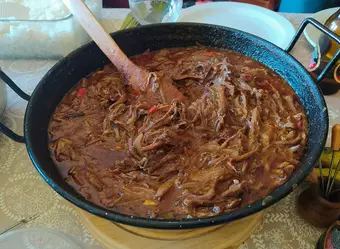
Ropa Vieja: The Story Behind Cuba's Beloved National Dish
Discover ropa vieja, Cuba's national dish. From Sephardic origins to Caribbean kitchens, the history and authentic recipe.
The Mojito: History and Secrets of Cuba's Most Famous Cocktail
From La Bodeguita del Medio to the world. Learn the history of the mojito and how to make the perfect cocktail with the traditional Cuban recipe.
Cuban Coffee: History, Tradition and the Secret of the Perfect Espuma
Cuban coffee history: from Sierra Maestra to Miami. Authentic cafecito recipe with golden espuma.
Cuban Honey: The Caribbean's Liquid Gold Conquering the World
Discover why Cuban honey is considered one of the purest in the world. History, varieties, benefits, and where to find this organic treasure from the island.
Moros y Cristianos: Cuba's Story in Every Bite
The history of Cuban Moros y Cristianos, the iconic black beans and rice dish blending Spanish and African heritage. Includes authentic recipe.