Ropa Vieja: The Story Behind Cuba's Beloved National Dish
Discover ropa vieja, Cuba's national dish. From Sephardic origins to Caribbean kitchens, the history and authentic recipe.
4 min read
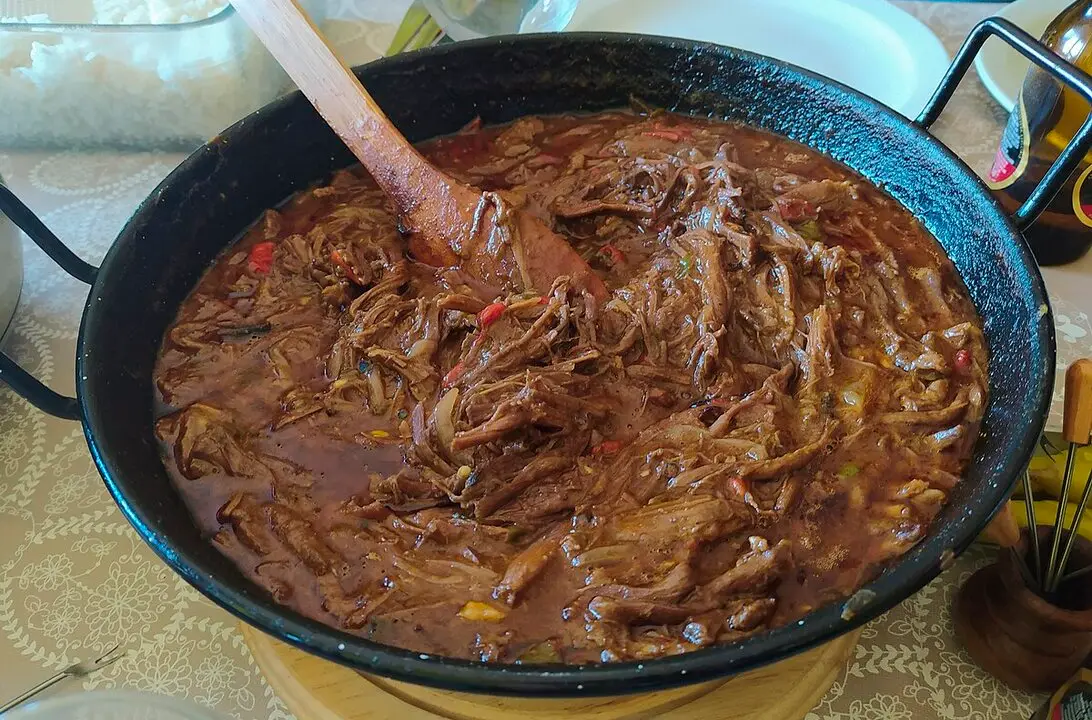
Ropa vieja is more than a dish — it’s a symbol of Cuban identity that traveled from medieval Spain to become Cuba’s national dish. Every strand of shredded beef tells a story of adaptation, creativity, and love for good food.
The History Behind the Name
The name “ropa vieja” (literally “old clothes”) has its roots in Sephardic Spanish tradition. During the Middle Ages, Jews of the Iberian Peninsula prepared a similar stew using leftover meats from cocido or puchero, stretching scraps to feed large families during Shabbat.
When these dishes traveled to the Caribbean with Spanish colonizers, Cuba transformed them radically. Cubans eliminated the chickpeas from the Spanish original and made beef the star, bathing it in a vibrant sauce of tomatoes, peppers, and spices that reflected the island’s tropical abundance.
The Legend of the Poor Father
A beautiful Cuban legend explains the dish’s name. It tells of a desperately poor man who, unable to feed his hungry children, cooked his own old clothes in a pot of water. His love was so great that, miraculously, the rags transformed into tender, nourishing meat. While clearly fictional, this story captures the spirit of a dish born from necessity and perfected through ingenuity.
Anatomy of Perfect Ropa Vieja
Essential Ingredients
- Flank steak: The traditional cut, with long fibers that create those characteristic shreds. Some prefer chuck for its higher fat content and more tender texture.
- Cuban sofrito: Onion, garlic, green and red peppers — the holy trinity of Caribbean flavor.
- Tomatoes: Whether tomato sauce, crushed tomatoes, or both.
- Dry wine: Preferably dry white wine or Cuban cooking wine.
- Olives and capers: They provide the salty, Mediterranean touch that distinguishes the Cuban version.
- Cumin and oregano: The fundamental spices.
Grandma’s Secrets
Old-school Cuban cooks insist on two secrets:
- Slow cooking: The meat must simmer until it practically falls apart on its own — never less than two hours.
- Resting time: Ropa vieja tastes better the next day, when the flavors have fully melded.
How to Make Ropa Vieja at Home
Step 1: Simmer the Beef
Place the flank steak in a large pot with water, a halved onion, bay leaves, and salt. Simmer over low heat for 2-3 hours until completely tender. Reserve the broth — it’s liquid gold for the sauce.
Step 2: Shred
Once cooled, use two forks to pull the meat into long strands following the direction of the fibers. This is the zen moment of the recipe.
Step 3: The Sofrito
In a large skillet or Dutch oven, sauté the onion until translucent. Add the peppers and garlic, cooking until fragrant. Incorporate the tomatoes, cumin, oregano, and wine.
Step 4: Bring It Together
Add the shredded beef to the sauce along with a cup of the reserved broth. Cook over low heat for 30-45 minutes. At the end, stir in the olives and capers.
Traditional Accompaniments
Ropa vieja doesn’t come alone. At an authentic Cuban table, you’ll find:
- Moros y cristianos: Rice and black beans cooked together.
- Tostones: Fried and flattened green plantains, crispy on the outside.
- Yuca con mojo: The tropical root bathed in garlic, sour orange, and oil.
- Maduros: Sweet ripe plantains, caramelized to perfection.
Regional Variations
While Cuba claims ropa vieja as its national dish, variations exist throughout Latin America and the Caribbean:
- Puerto Rico: Similar but often with more olives and peppers.
- Venezuela: Their version includes caraotas negras (black beans) served separately.
- Canary Islands: Maintains the chickpeas from the original Spanish version.
- Panama: Often adds culantro (recao) for a more herbaceous flavor.
Where to Try the Best Ropa Vieja
In Cuba
- La Guarida, Havana: Cuba’s most famous paladar serves a refined yet authentic version.
- Doña Eutimia, Old Havana: Home cooking at its finest.
In Miami
- Versailles, Calle Ocho: The cathedral of Cuban exile, essential visiting.
- La Carreta: Family-owned chain with decades of tradition.
A Dish That Tells Stories
Ropa vieja encapsulates Cuba’s history: Spanish influences transformed by the Caribbean, creativity born from necessity, and love passed down through generations. Every plate served is an act of cultural memory.
Whether you prepare it in your kitchen or enjoy it at a Cuban restaurant, remember that you’re participating in a centuries-old tradition. And if the first bite transports you to a Havana kitchen with windows open to the Malecón, then the ropa vieja has served its purpose.
Do you have your own family ropa vieja recipe? Each family’s secrets are part of what keeps this tradition alive. Share yours and keep the legacy going.
Frequently asked questions
Why is it called ropa vieja (old clothes)?
What cut of beef is best for ropa vieja?
How long does ropa vieja take to cook?
What are the traditional side dishes for ropa vieja?
How we got here
Background
The first thing we published on this topic.
Cuban Coffee Harvest Promises to Be the Best in Decades
The mountains of the Sierra Maestra produce an exceptional harvest thanks to new agricultural techniques.
Ropa Vieja: The Soul of Cuban Cuisine on a Plate
Discover the history, secrets, and traditional recipe of ropa vieja, Cuba's national dish that has conquered palates around the world.
Related articles
Ropa Vieja: Cuba's National Dish with Centuries of History
Discover the history and recipe of Cuban ropa vieja, the national dish of shredded beef in sofrito that conquered the Caribbean.
The Cuban Sillón: History & Tradition of Cuba's Rocking Chair
Guide to the Cuban sillón, the rocking chair that defines Caribbean life. History, types, craftsmen, superstitions, and where to buy Cuban rocking chairs.
Casquitos de Guayaba: Cuba's Sweetest Guava Shell Dessert
Traditional Cuban guava shells in syrup with cream cheese. Learn the authentic recipe, history, and secrets of this beloved Caribbean dessert.
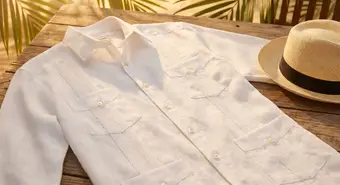
The Cuban Guayabera: History, Style & Tropical Elegance
Discover the Cuban guayabera, the Caribbean's most iconic shirt. Its history from Sancti Spíritus, features, how to choose one, and where to buy.
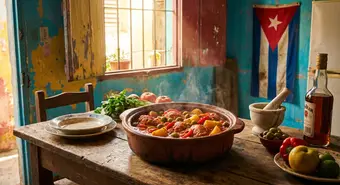
Cuban Chicken Fricassee: From France to the Criollo Kitchen
Authentic Cuban fricasé de pollo recipe and history. A French technique transformed by Caribbean flavors with olives, potatoes, and dry wine.
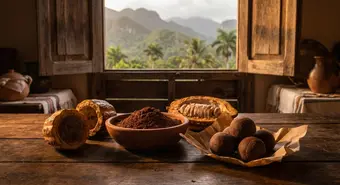
Baracoa Chocolate: Cuba's Best-Kept Sweet Secret
Baracoa produces 75% of Cuban cacao. Discover the history, farms, and delicious chorote of this Caribbean chocolate capital.