Cuban Viandas: Complete Guide to Cuba's Root Vegetables & Tubers
Discover Cuban viandas: malanga, boniato, yam, plantain and more. History, culinary uses and where to buy them.
5 min read
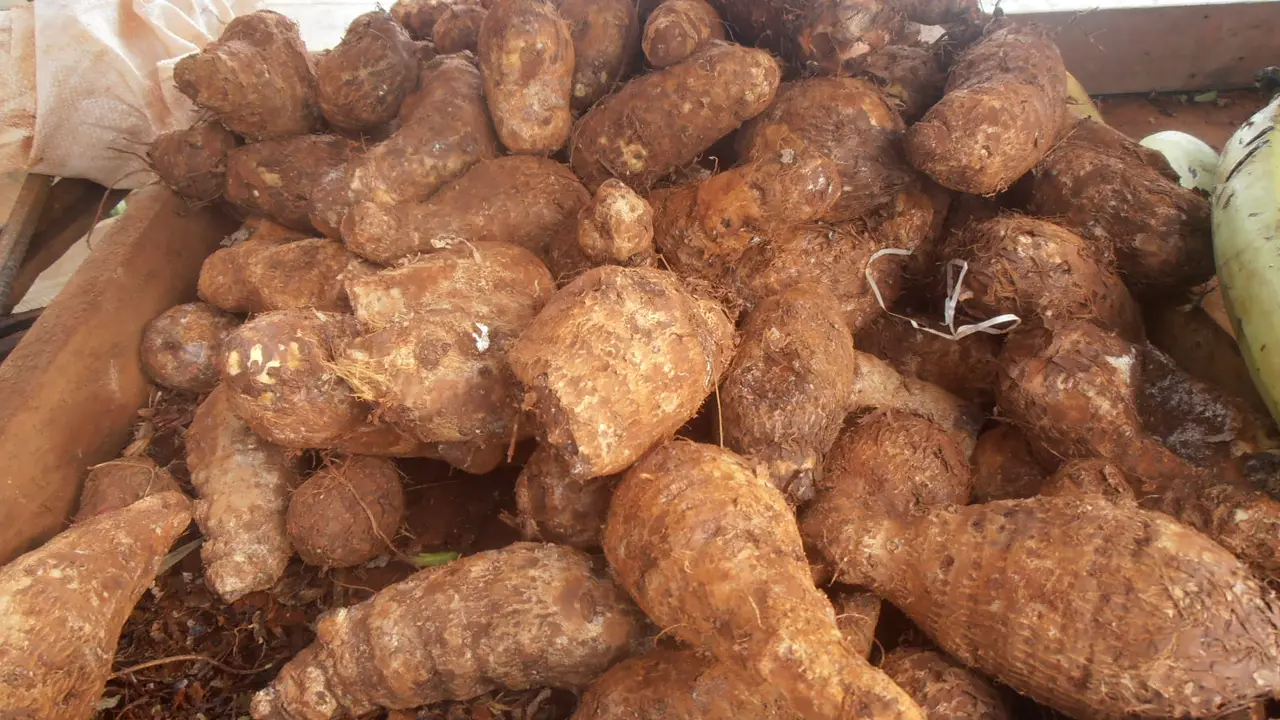
At any self-respecting Cuban table, viandas hold a sacred place. They’re not a side dish — they’re the foundation of Creole cooking. Before the rice, before the sofrito, before everything else, there are the tubers that fed the Taíno and continue to feed Cuba today.
The word “vianda” has a specific meaning on the island. While in Spain it refers to any food, in Cuba it designates the roots, tubers, and starchy fruits that are boiled, fried, or mashed: cassava, malanga, boniato, yam, plantain, squash, and potato.
Cassava (Yuca): Taíno Heritage
Cassava (Manihot esculenta) is the queen of Cuban viandas and the island’s oldest tuber. The Taíno cultivated it long before the Spanish arrived, using it to make casabe, a flatbread still consumed in eastern Cuba today.
Boiled cassava with mojo criollo is perhaps Cuba’s most iconic vianda dish. It’s also used to make:
- Cuban buñuelos: Figure-eight fritters soaked in anise syrup
- Casabe: Crunchy gluten-free flatbread, a pre-Columbian tradition
- Fried yuca: Cuba’s answer to French fries
Fun fact: Cuba produces around 500,000 tons of cassava annually according to the FAO, making it the country’s most important root crop.
Malanga: Creamy and Comforting
Malanga (Xanthosoma sagittifolium), related to taro, is the tuber every Cuban grandmother recommends when someone is sick. Its soft, nutritious puree is often the first solid food Cuban babies taste.
Two main varieties grow in Cuba:
- White malanga (isleña): The most common, with creamy white flesh
- Purple malanga (morada): Purple-tinged flesh, sweeter and more aromatic
Malanga is boiled and served with mojo, mashed into puree, or sliced thin to make mariquitas de malanga — crispy chips that rival plantain chips.
Boniato: Sweetness from the Earth
Boniato (Ipomoea batatas) is the Cuban sweet potato, but don’t confuse it with the American variety. Cuban boniato has red or pink skin with white flesh, a drier texture, and a subtle sweetness that sets it apart.
Cubans prepare it in multiple ways:
- Boiled: With a drizzle of mojo or butter
- Fried in rounds: Golden and crispy on the outside
- Boniatillo: Traditional dessert made with grated boniato, sugar, cinnamon, and dry wine
- In ajiaco: An essential ingredient in Cuba’s ajiaco, the national stew
Ñame (Tropical Yam): The African Giant
Yam (Dioscorea spp.) arrived in Cuba with enslaved Africans and adapted perfectly to the tropical climate. It’s the largest of all Cuban tubers — a single yam can weigh over 40 pounds.
Its flavor is more neutral than malanga, and its texture more fibrous. In Cuba it’s used mainly:
- Boiled in large chunks, dressed with mojo
- In soups and stews as a natural thickener
- Grated for fritters
Yam holds special importance in Cuban Santería, where it’s offered to various orishas, particularly Oggún and Changó.
Plantain: Green, Ripening, and Ripe
Though technically a fruit, the plantain functions as a vianda in Cuban cooking. It’s eaten at three stages of ripeness, each with its own culinary personality:
| Stage | Color | Texture | Preparation |
|---|---|---|---|
| Green | Dark green | Firm, starchy | Tostones, chatinos, fufú |
| Ripening | Yellow with spots | Semi-firm | Boiled, in ajiaco |
| Ripe | Black/very yellow | Soft, sweet | Fried maduros, in tentación |
Tostones (green plantain fried and smashed twice) are arguably Cuba’s most popular fried vianda, present at virtually every meal.
Calabaza: Tropical Sweetness
Cuban squash is sweeter and firmer than North American varieties. It’s used in both savory and sweet dishes:
- In ajiaco: Adds body and natural sweetness
- Boiled with mojo: As a vianda side dish
- Calabaza flan: Traditional holiday dessert
- In potajes: Naturally thickens broths
Viandas in Cuban History
Viandas aren’t just food — they’re living history. Fernando Ortiz, Cuba’s great ethnologist, used the ajiaco as a metaphor for Cuban identity: a pot where Taíno tubers, African roots, and Spanish traditions all simmer together.
Timeline of Cuban viandas
- Pre-1492: The Taíno cultivate cassava, sweet potato, and corn
- 16th-18th centuries: Yam and malanga arrive with enslaved Africans
- 19th century: Plantain becomes a commercial crop
- 1990-2000: During the Special Period, viandas save Cuba from hunger when other foods vanish
- 2020s: Vianda shortages on the island spur urban agriculture
Where to Buy Cuban Viandas in the U.S.
For the diaspora missing the taste of home:
- Sedano’s: The quintessential Cuban grocery chain in Florida — always stocks malanga, boniato, yuca, and plantains
- Presidente Supermarkets: Excellent tropical produce section in Miami-Dade
- Goya Foods: Offers frozen yuca and malanga purees nationwide
- Amazon Fresh: Malanga, boniato, and yuca available in select areas
- Farmers’ markets: In South Florida and New York, local growers cultivate tropical varieties
Tips for Cooking Viandas
- Always start in cold water: Place viandas in cold water, then bring to a boil. Starting in hot water toughens the outside
- Salt at the end: Add salt when they’re nearly tender
- Hot mojo: Pour sizzling mojo criollo over freshly boiled viandas so they absorb all the flavor
- Don’t overcook: Cassava and malanga fall apart quickly if overcooked
- Storage: Keep raw viandas in a cool, dry place — never in the fridge (except cut boniato)
Viandas are Cuba in its most elemental form: generous earth that nourishes without pretension. From the Taíno conuco to your grandmother’s table in Hialeah, these humble tubers are the true treasure of our gastronomy.
Frequently asked questions
What are viandas in Cuban cooking?
What is the difference between malanga and yam?
Where can I buy Cuban root vegetables in the US?
Why are viandas so important in Cuban cuisine?
How we got here
Background
The first thing we published on this topic.
Cuban Coffee Harvest Promises to Be the Best in Decades
The mountains of the Sierra Maestra produce an exceptional harvest thanks to new agricultural techniques.
Habanos: Complete Guide to the Most Prestigious Cuban Cigars
Cohiba, Montecristo, Romeo y Julieta — discover the legendary Cuban cigar brands, how to choose them, and where to buy them.
Related articles
Cuban Sodas: A Complete Guide to the Island's Soft Drinks
From tuKola to Materva, discover the sodas that shaped generations in Cuba. History, flavors, and where to find them today.
Cuban Beer: Complete Guide to Cristal, Bucanero, and Hatuey
Discover Cuba's most popular beers: Cristal, Bucanero, Hatuey, and Polar. History, flavors, and where to find them worldwide.

Cuban Rum: Complete Guide to Brands, History, and How to Enjoy It
Discover the world of Cuban rum: from Havana Club to Santiago de Cuba. History, legendary brands, aging types, and secrets to tasting it like an expert.
The Cuban Sillón: History & Tradition of Cuba's Rocking Chair
Guide to the Cuban sillón, the rocking chair that defines Caribbean life. History, types, craftsmen, superstitions, and where to buy Cuban rocking chairs.
Guayabita del Pinar: Cuba's Unique Liqueur from Tobacco Country
Discover Guayabita del Pinar, Cuba's artisanal liqueur with Protected Designation of Origin. History, production, and where to buy it.
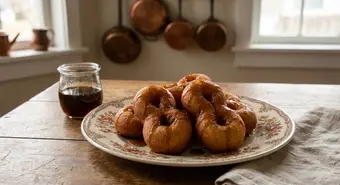
Cuban Buñuelos: The Christmas Fritters That Taste Like Home
Traditional Cuban buñuelos recipe with yuca and malanga in anise syrup. History, technique and secrets of Cuba's most beloved holiday dessert.