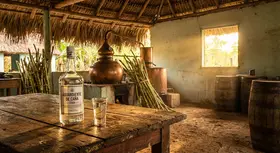
Rum, coffee and drinks
105 articles on Rum, coffee and drinks · Updated
Paused
No new coverage since February 17, 2026.
Coverage
Tuesday, February 17, 2026

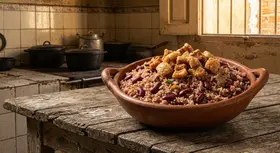
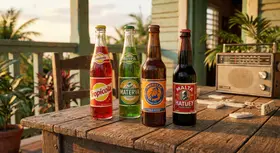
Monday, February 16, 2026
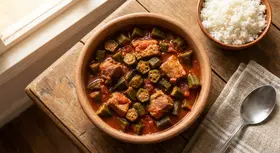

Sunday, February 15, 2026

Saturday, February 14, 2026

Friday, February 13, 2026

Thursday, February 12, 2026
Frequently asked questions
What is the difference between Cuban aguardiente and rum?
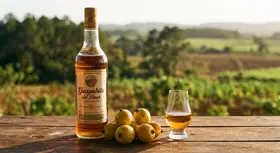
Aguardiente de caña is the raw, unaged distillate with a strong, direct flavor. Rum undergoes additional filtration, continuous distillation, and aging in oak barrels that give it smoothness, color, and aromatic complexity. Aguardiente is essentially rum's ancestor.
What is chispa de tren in Cuba?
Chispa de tren (train spark) is the popular name for illegally home-distilled aguardiente in Cuba. Also known as mofuco or espérame en el suelo (wait for me on the floor). It's a tradition that resurfaces during economic crises when industrial rum becomes scarce or unaffordable.
How long has aguardiente been produced in Cuba?
Since the early 1500s. Sugar mills operated alembics to distill cane juice and molasses. By 1687 it had its own tax rate, and the Spanish Crown tried to ban it in 1714 — unsuccessfully.
Can you buy Cuban aguardiente outside Cuba?
Yes, brands like Ron Legendario sell Aguardiente de Caña Natural internationally, mainly in Europe. Caribbean-style cane spirits like Caña Brava from Panama and Haitian Clairin offer similar profiles and are available on Amazon and specialty spirit shops.
What happened to Cuban soft drinks after 1959?
After the Revolution, Coca-Cola, Pepsi, and national brand factories were nationalized. Commercial advertising was eliminated and many brands disappeared or were renamed. State-produced alternatives like Tropicola and Tukola emerged decades later.