Cuban Tropical Fruits: Mamey, Soursop and Caribbean Treasures
Guide to Cuba's most iconic tropical fruits: mamey sapote, soursop, custard apple, star apple and more. Flavors, history and where to buy.
6 min read
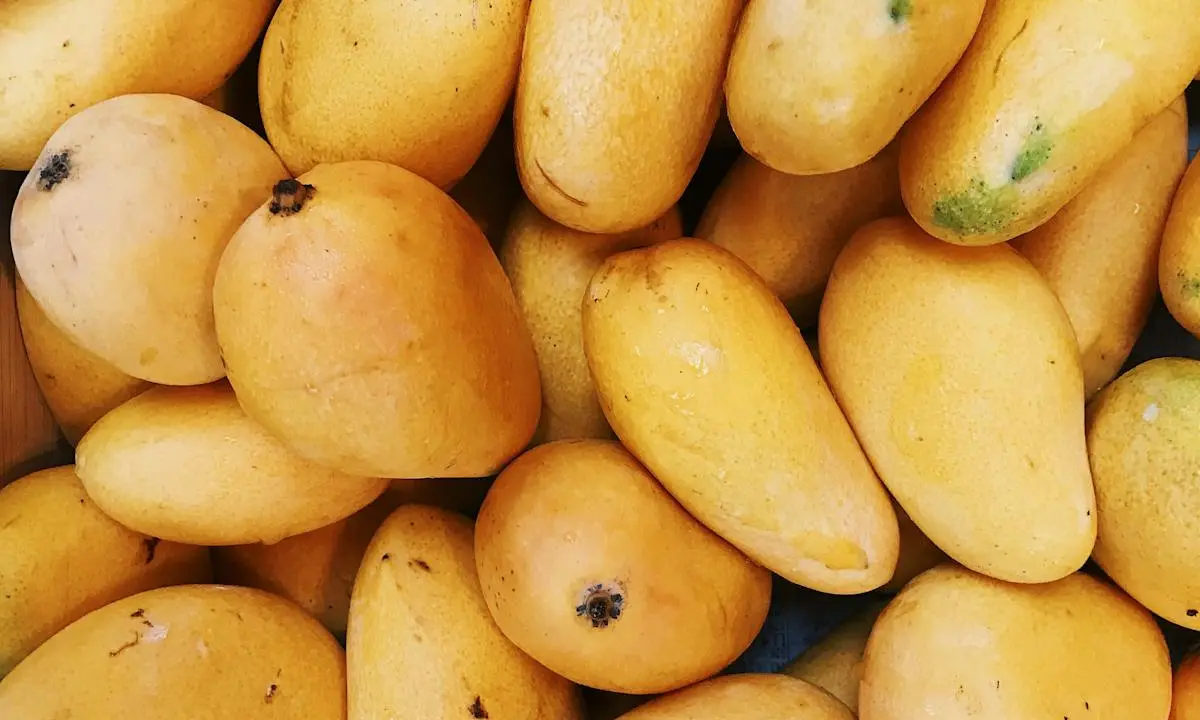
Cuba is a fruit paradise. Beyond the mangoes and pineapples the world already knows, the island harbors extraordinary fruits that define its cuisine and childhood memories. The call of the frutero — the fruit vendor pushing his cart through neighborhood streets — is an inseparable part of Cuban life’s soundtrack.
In this guide, we explore Cuba’s most iconic tropical fruits: from the majestic mamey to the mysterious star apple, with details on flavor, culinary uses, and where to find them outside the island.
Mamey Sapote: The National Fruit
Mamey sapote (Pouteria sapota) is, without question, Cuba’s most beloved fruit. Its rough brown exterior hides a flesh of intense salmon color, with a creamy texture similar to avocado and a deep sweetness reminiscent of pumpkin, sweet potato, and almond.
The Mamey Milkshake
If Cuba had an official milkshake, it would be mamey. Making it is simple: ripe mamey pulp, milk, sugar, and ice, blended until velvety smooth. In Havana, street vendors and neighborhood cafeterias serve it as an everyday luxury.
Where to Buy
- Miami Fruit — Fresh mamey grown in South Florida, shipped nationwide
- iHeartFruitBox — Certified organic mamey with home delivery
- Amazon — Fresh mamey from Sunset Groves
- Latin markets — Sedano’s, Presidente Supermarket, and Bravo carry it in season
Soursop (Guanábana): The Smoothie Queen
Soursop (Annona muricata), or guanábana in Spanish, is a large, oval fruit with green skin covered in soft spines. Its white, fibrous, juicy pulp has an unmistakable tangy-sweet flavor — a blend of strawberry, pineapple, and citrus that’s unlike anything else.
In Cuba, guanábana juice is an institution. It’s made by straining the pulp with water and sugar, resulting in a refreshing, slightly tart, absolutely addictive beverage. It’s also used in ice cream, jams, and desserts.
Nutritional Benefits
Soursop is rich in vitamin C, fiber, potassium, and magnesium. It’s traditionally believed to have anti-inflammatory and digestive properties. Recent studies have investigated its bioactive compounds, though the science is still in early stages.
Where to Buy
- Goya - Soursop Fruit Pulp — Frozen pulp, available at most supermarkets
- Amazon - Canoa Soursop Pulp — Premium frozen pulp from Colombia
- El Viejo Luis — 100% natural pulp, perfect for smoothies
Custard Apple and Sugar Apple: The Sweet Cousins
Cherimoya (Annona cherimola) and sugar apple (Annona squamosa, called anón in Cuba) belong to the same family as soursop. Sugar apple, more common in Cuba, has scaly green skin that opens easily when ripe, revealing segments of intensely sweet white pulp around shiny black seeds.
Mark Twain called cherimoya “the most delicious fruit known to man,” and one taste explains why. Its flesh is like natural custard with notes of banana, papaya, and vanilla.
In Cuba, sugar apple is eaten fresh — just picked from the tree, opened by hand, each segment savored. It’s a short-season fruit (August-October), making it all the more special.
Star Apple (Caimito): The Purple Star
Star apple (Chrysophyllum cainito), called caimito in Cuba, is one of the Caribbean’s most beautiful fruits. Cut crosswise, its seeds form a perfect star pattern. Its skin can be deep purple or green, and its flesh is soft, milky, and delicately sweet.
In Cuba, it’s eaten fresh and cold — pulled from the refrigerator on hot afternoons. Tradition says you shouldn’t bite the skin, which contains a bitter latex; just eat the flesh with a spoon or suck it directly.
Fruta Bomba: Cuba’s Papaya
In Cuba, papaya is called fruta bomba — a necessary euphemism, since papaya has a vulgar meaning in Cuban Spanish. It’s an omnipresent fruit on the island: eaten fresh at breakfast, in smoothies, as dulce de fruta bomba with cheese, and as a natural meat tenderizer thanks to its papain enzyme.
Cuban fruta bomba tends to be smaller and more aromatic than the Hawaiian varieties found in American supermarkets. Its fragrant orange flesh is synonymous with tropical mornings.
Mango: The King of Summer
Cuba has over 100 mango varieties, and Cuban summer (June-August) is an endless festival of this fruit. The most prized varieties include:
- Biscochuelo — Small, extremely sweet, firm fiberless flesh
- Filipino — Large, aromatic, the most commercial variety
- Manga — Enormous, slightly tart, ideal for juices
- Toledo — Perfectly balanced between sweet and tart
During season, mangoes literally fall from trees in yards, streets, and parks. Cubans eat them green with salt (a delicacy), ripe and fresh, in smoothies, as jam, and even alongside mojo criollo as a sweet-tart companion.
Other Essential Fruits
Guava
Guava is perhaps Cuba’s most versatile fruit. It transforms into dulce de guayaba (paste and shells), jam, juice, smoothies, and the famous guava pastries with cream cheese. Its penetrating aroma is unmistakable.
Mamoncillo (Spanish Lime)
Mamoncillo (Melicoccus bijugatus), known as Spanish lime or guinep, comes in grape-like clusters. You bite through the green shell to reach the orange, gelatinous, tangy-sweet pulp surrounding a large seed. Eating it is a ritual — sticky fingers included.
Tamarind
Tamarind came to Cuba from Africa and became fully integrated. Its sweet-and-sour pulp is used in soft drinks, candies, and the popular agua de tamarindo. It also has traditional medicinal uses as a mild laxative.
Sapodilla (Níspero)
Cuban níspero (Manilkara zapota, not to be confused with the European loquat) has granular, cinnamon-colored flesh with a sweetness reminiscent of brown sugar and pear. It’s a tree fruit that Cuban children know well from climbing up to pick them.
How to Enjoy Them Outside Cuba
If you live in the diaspora, here are ways to reconnect with these flavors:
- Fresh fruit: Latin markets in Miami, New Jersey, New York, and other cities with Caribbean communities
- Frozen pulp: Goya, La Fe, and other brands in the freezer section
- Home delivery: Miami Fruit, iHeartFruitBox, Tropical Fruits Delivery
- Grow your own: In USDA zones 9-11 (South Florida, South Texas, Hawaii), you can grow mamey, soursop, and more in your yard. Fast Growing Trees sells mamey trees.
- Cuban Food Market — Online store specializing in Cuban products, including fruit preserves and sweets
Fruit as Memory
For Cubans, these fruits are more than food — they’re sensory memory. The smell of a ripe mango transports you to grandmother’s patio. The taste of a mamey milkshake brings back summer afternoons. The texture of sugar apple recalls grandfather’s hands carefully opening it.
In every bite, there’s a piece of Cuba.
Frequently asked questions
What is Cuba's national fruit?
Where can I buy Cuban tropical fruits in the United States?
What does soursop (guanábana) taste like?
When is tropical fruit season in Cuba?
How we got here
Background
The first thing we published on this topic.
Cuban Coffee Harvest Promises to Be the Best in Decades
The mountains of the Sierra Maestra produce an exceptional harvest thanks to new agricultural techniques.
Habanos: Complete Guide to the Most Prestigious Cuban Cigars
Cohiba, Montecristo, Romeo y Julieta — discover the legendary Cuban cigar brands, how to choose them, and where to buy them.
Related articles
Cuban Tropical Fruits: Mamey, Mango, Guava and Caribbean Flavors
Discover Cuba's tropical fruits: mamey sapote, Cuban mango, guava, sugar apple and papaya. Complete guide to Caribbean flavors.
Batido de Mamey: The Cuban Milkshake That Tastes Like the Tropics
Discover the Cuban batido de mamey — its history, traditional recipe, and why this tropical fruit milkshake is the soul of Cuban fruterías.
Cuban Soft Drinks: From Materva to Tropicola, A Story of Nostalgia
Discover the history of Cuba's most iconic soft drinks: Materva, Ironbeer, Tropicola, Tukola and Malta Hatuey. Flavors that shaped generations.
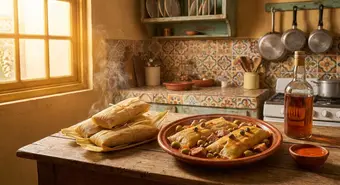
Cuban Tamales: From Fresh Corn to Cazuela, a Living Tradition
Discover Cuban tamales en hoja and en cazuela, their pre-Columbian roots, traditional recipe, and what makes them unique from Mexican tamales.
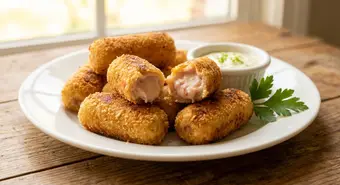
Cuban Ham Croquetas: From Spain to Miami, the Perfect Bite
History, traditional recipe, and secrets of Cuban croquetas de jamón — the crispy snack that traveled from France to Spain and conquered Cuba.
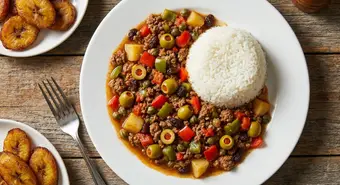
Picadillo a la Habanera: Cuba's Most Beloved Everyday Dish
The history, traditional recipe, and secrets of Cuban picadillo — the humble ground beef dish that conquered every table in Cuba.