Picadillo a la Habanera: Cuba's Most Beloved Everyday Dish
The history, traditional recipe, and secrets of Cuban picadillo — the humble ground beef dish that conquered every table in Cuba.
4 min read
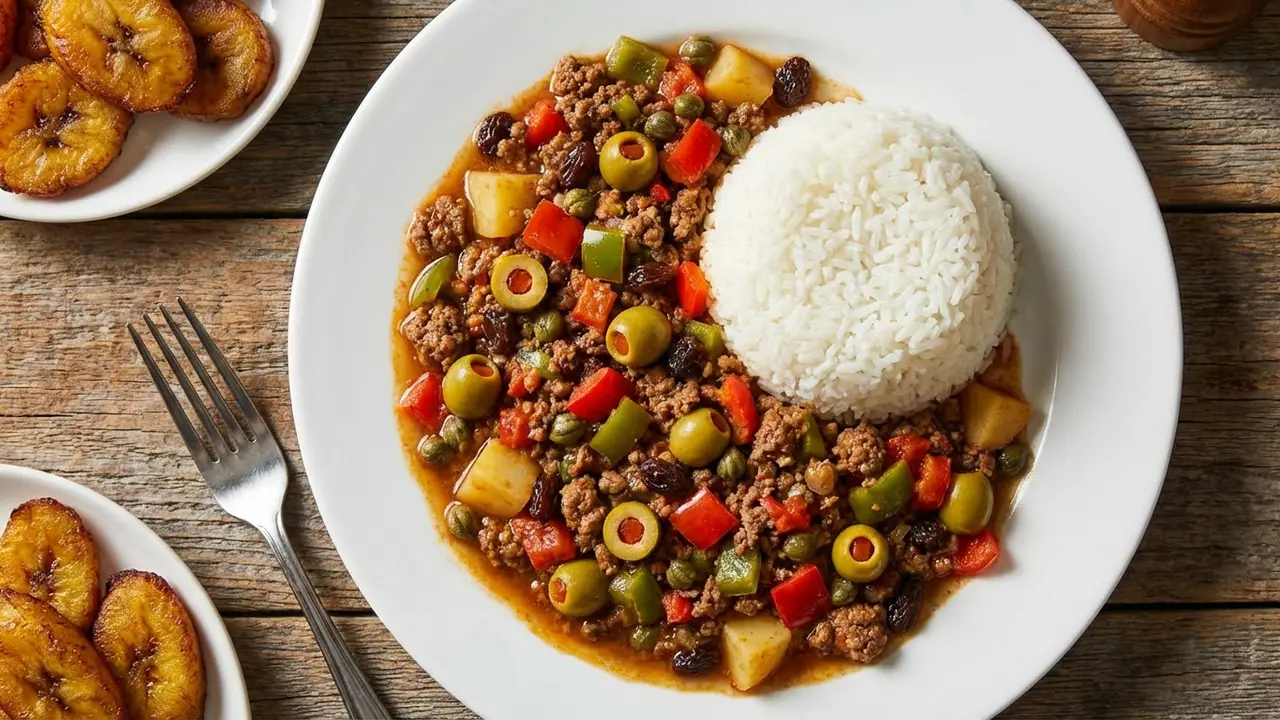
Illustration: Aroma de Cuba (AI)
Cuba’s most democratic dish
If there’s one dish that has graced every Cuban table — from the mansions of Vedado to the tenements of Centro Habana — it’s picadillo a la habanera. It’s not the most glamorous or the most photographed, but it may be the most loved.
The name says it all: ground meat, Havana-style. But behind that simplicity lies a story of culinary fusion, Creole ingenuity, and the art of making much from little.
Origins: flavor born from necessity
Picadillo traces its roots to the working classes of colonial Cuba, particularly from the late 18th century onward. When prime cuts of beef were reserved for the wealthy, working families discovered that by mincing the meat and mixing it with vegetables and spices, they could feed more mouths with fewer resources.
The genius of the dish lies in its “extras”: Spanish olives, Mediterranean capers, sweet raisins, and dry wine. Each ingredient tells the story of ships arriving at Havana’s port, carrying Old World products that merged with Creole cooking to create something entirely new.
The traditional recipe
There’s no single recipe for Cuban picadillo — as the saying goes, every cook has their secret. But these are the elements that cannot be missing:
Ingredients (serves 4-6)
- 500g ground beef (some families mix with pork)
- 1 large onion, finely diced
- 4 garlic cloves, crushed
- 1 green and 1 red bell pepper, diced
- 1 can tomato sauce (8 oz) or 3 ripe tomatoes
- ½ cup dry white wine (or cooking wine)
- ¼ cup stuffed green olives, sliced
- 2 tablespoons capers
- ¼ cup raisins (optional, but authentic)
- 2 medium potatoes, diced and fried
- Cumin, oregano, black pepper, salt
- Olive oil
- Fresh parsley for garnish
Method
-
The sofrito is everything: In a large skillet with olive oil, sauté the onion until translucent. Add garlic and peppers, cook 3-4 minutes until softened.
-
The meat: Raise the heat, add ground beef and break it apart with a wooden spoon. Cook until it loses its pink color.
-
The soul of the dish: Add the dry wine and let the alcohol cook off for a couple of minutes. Then add tomato sauce, cumin, oregano, and pepper.
-
The secret stars: Add the olives, capers, and raisins. This trio is what separates Cuban picadillo from any other ground beef dish in the world.
-
Low and slow: Lower the heat and cook covered for 20-25 minutes, stirring occasionally. The picadillo should be juicy but not soupy.
-
The potatoes: Separately, fry the potato cubes until golden. Add them at the end to maintain their crunch.
The eternal debate: raisins or no raisins?
Few topics spark more passion at a Cuban table than this one. Purists insist that raisins are essential — they provide the sweet-salty contrast that defines the dish. Others consider them an abomination.
Historical evidence favors the raisins: they appear in the oldest documented recipes and reflect the influence of Andalusian cuisine on Cuba. But as with everything Cuban, everyone has the right to their own version.
More than a recipe: a survival system
During the Special Period of the 1990s, when beef virtually disappeared from Cuban households, picadillo reinvented itself. Versions appeared with soy protein, grated green plantain as a filler, even with plantain peels. Cuban ingenuity turned scarcity into culinary creativity.
Today, picadillo remains the ultimate go-to dish: quick to prepare, affordable, filling, and — when done right — absolutely delicious.
How it’s served
The classic presentation is simple but satisfying:
- White rice as the mandatory base
- Black beans or moros y cristianos on the side
- Tostones or fried sweet plantains
- A simple salad of tomato, cucumber, and avocado
This combination is what Cubans call the bandeja campesina — a complete plate that feeds both body and soul.
Picadillo in the diaspora
In Miami, Tampa, and wherever Cubans have settled, picadillo has traveled intact. Cuban restaurants on Calle Ocho serve it just as it was made in 1950s Havana. Along with the Cuban sandwich, it’s one of the dishes that most connects the diaspora to the island.
At Versailles, the iconic Little Havana restaurant, picadillo has been on the menu since 1971 — over five decades feeding the nostalgia and stomachs of exiled Cubans.
Picadillo a la habanera isn’t just a dish. It’s a history lesson in every bite: Spanish in the olives, African in the seasoning, Creole in the soul. All of Cuba, served over white rice. 🇨🇺
Frequently asked questions
What's the difference between picadillo a la habanera and picadillo a la criolla?
Can Cuban picadillo be made with pork?
What do you serve with Cuban picadillo?
Why does Cuban picadillo have olives and raisins?
How we got here
Background
The first thing we published on this topic.
Cuban Coffee Harvest Promises to Be the Best in Decades
The mountains of the Sierra Maestra produce an exceptional harvest thanks to new agricultural techniques.
Ropa Vieja: The Soul of Cuban Cuisine on a Plate
Discover the history, secrets, and traditional recipe of ropa vieja, Cuba's national dish that has conquered palates around the world.
Related articles

Cuban Ham Croquetas: From Spain to Miami, the Perfect Bite
History, traditional recipe, and secrets of Cuban croquetas de jamón — the crispy snack that traveled from France to Spain and conquered Cuba.
Cuban Organic Honey: The Caribbean's Golden Treasure Conquering Europe
Cuba produces 100% organic honey without pesticides. Discover why Cuban honey is conquering European markets and its beekeeping history.

Cuban Guava Pastelitos: The Flaky Pastry That Stole Miami's Heart
History, recipe, and secrets of Cuban pastelitos de guayaba y queso. From golden puff pastry to guava filling, Cuba's most addictive sweet bite.
Essential Cuban Condiments: Sour Orange, Bijol, and Adobo Criollo
Complete guide to the Cuban condiments that define our cuisine: sour orange, bijol, adobo criollo, cumin, and oregano.

The Cuban Sillón: History & Tradition of Cuba's Rocking Chair
Guide to the Cuban sillón, the rocking chair that defines Caribbean life. History, types, craftsmen, superstitions, and where to buy Cuban rocking chairs.
Natilla Cubana: The Creamy Cuban Custard That Tastes Like Home
Discover natilla cubana, the cinnamon-infused custard that defines Cuban comfort. History, step-by-step recipe, and abuela's secrets.