Cuban Tostones: The Art of Twice-Fried Green Plantains
Learn to make perfect tostones, the crispy side dish that defines the Cuban table. History, technique, and secrets.
4 min read
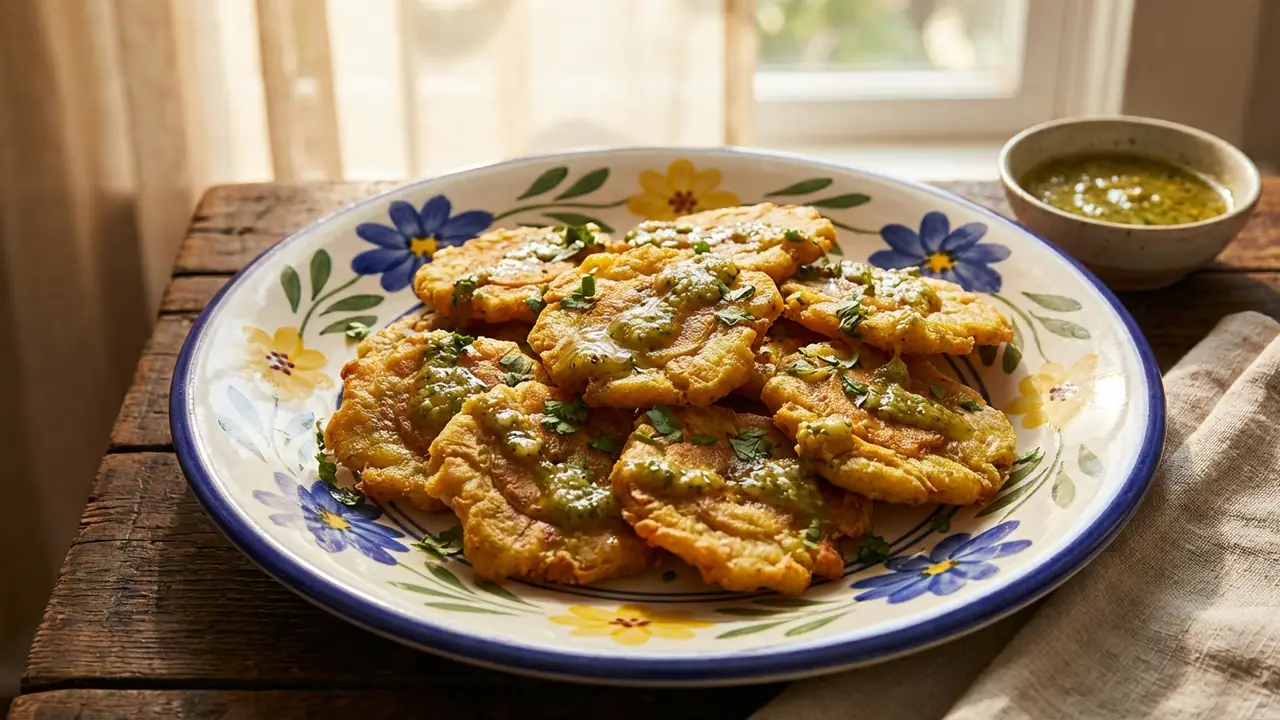
Illustration: Aroma de Cuba (AI)
There are sounds that define a kitchen. In Cuba, one of them is the sizzle of green plantain plunging into hot oil. Tostones —those golden discs, crispy outside and tender within— are much more than a side dish: they’re a declaration of culinary identity.
What Are Tostones?
Tostones (also called patacones in other Caribbean and Central American countries) are slices of green plantain that are fried twice. The first frying cooks them; the second —after smashing— makes them crispy. This double-cooking method gives them their characteristic texture: crunchy exterior, creamy interior.
Unlike maduros (fried ripe plantains that are sweet), tostones are savory and neutral, perfect for absorbing sauces like mojo criollo.
History: From Africa to the Caribbean
The plantain arrived in the Americas in the 16th century, brought by the Spanish from the Canary Islands. But the technique of frying and smashing green plantains has African roots, introduced to the Caribbean by enslaved people who adapted their culinary traditions to available ingredients.
In Cuba, tostones became an essential part of the criollo table. According to culinary historian Ciro Bianchi Ross, by the 19th century they appeared in Havana’s fondas (taverns) as a mandatory accompaniment to roast pork and black beans.
The Perfect Technique: Step by Step
Ingredients
- 2 green plantains (very green, no yellow spots)
- Vegetable oil for frying
- Salt to taste
- Mojo criollo for serving
Preparation
1. Peel the plantains This is the hardest step. Green plantains don’t peel like ripe ones. Make a lengthwise cut through the skin without reaching the flesh, then slide your finger or a spoon under the peel to separate it.
2. Cut into rounds Slice the plantain into rounds about 1 inch thick. Not too thin (they’ll dry out) or too thick (raw inside).
3. First fry Heat oil to 325°F (160-170°C). Fry the rounds for 3-4 minutes until lightly golden. They shouldn’t be crispy yet.
4. Smash Remove the rounds and smash them immediately with a tostonera (wooden press) or the bottom of a glass. They should be about half an inch thick.
5. Second fry Raise the oil to 350-375°F (180-190°C). Fry the smashed tostones for 2-3 minutes until golden and crispy.
6. Drain and salt Place on paper towels and salt immediately while still hot.
Cuban Grandma’s Secrets
- The garlic water: Some cooks dip the smashed rounds in garlic-salted water before the second fry. This adds flavor and helps achieve extra crispiness.
- The right oil: Traditionally lard was used, which provides unmatched flavor. Today, corn or canola oil works well.
- Serve immediately: Tostones don’t wait. Eat them straight from the oil.
What Do You Eat Them With?
In Cuba, tostones appear alongside:
- Ropa vieja — the classic duo
- Lechón asado — especially on Christmas Eve
- Moros y cristianos — the perfect combination
- Vaca frita — crispy with crispy
- Seafood — at coastal restaurants
They can also be served as stuffed tostones, a popular Miami innovation where they’re topped with shredded ropa vieja, garlic shrimp, or ceviche.
Regional Variations
| Region | Name | Particularity |
|---|---|---|
| Cuba | Tostones | Classic with mojo |
| Puerto Rico | Tostones | With mayo-ketchup |
| Colombia | Patacones | Larger, with hogao |
| Dominican Republic | Tostones | With fried salami |
Tostones in the Diaspora
In Miami, tostones have evolved. Restaurants like Versailles on Calle Ocho serve them as part of their Cuban combo, while contemporary chefs reinvent them with truffle, brie cheese, or avocado.
But ask any Cuban: the best tostones are homemade ones, made with plantains from the neighborhood market and served hot on a newspaper-lined plate.
Tostones are proof that sometimes the simplest things are the most perfect. Two ingredients, two fries, infinite memories.
Frequently asked questions
What's the difference between tostones and maduros?
Why do my tostones come out hard inside?
Can you make tostones in an air fryer?
What do Cubans serve with tostones?
How we got here
Background
The first thing we published on this topic.
Cuban Coffee Harvest Promises to Be the Best in Decades
The mountains of the Sierra Maestra produce an exceptional harvest thanks to new agricultural techniques.
Ropa Vieja: The Soul of Cuban Cuisine on a Plate
Discover the history, secrets, and traditional recipe of ropa vieja, Cuba's national dish that has conquered palates around the world.
Related articles
Cuban Sodas: Tropicola, Iron Beer and Bottled Nostalgia
Discover the traditional Cuban soft drinks that shaped generations. History, flavors, and where to find them today.
Prú Oriental: Cuba's Most Refreshing Fermented Drink
Discover Prú Oriental, a traditional Cuban fermented beverage made with roots and herbs. History, recipe and ingredients of this Eastern Cuban treasure.
Cuban Tostones: The Perfect Recipe for Crispy Plantain Bliss
Learn to make authentic Cuban tostones with this traditional recipe. Twice-fried green plantains, crispy outside, tender inside.
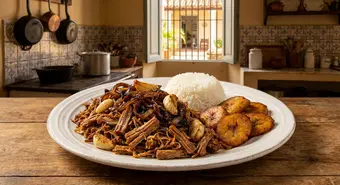
Cuban Vaca Frita: The Art of Turning Beef into Crispy Gold
Discover the history and recipe of vaca frita, the Cuban dish where shredded beef is fried until crispy and golden with garlic and lime.
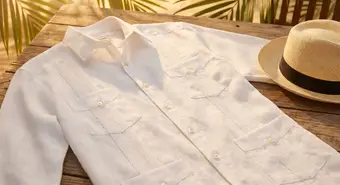
The Cuban Guayabera: History, Style & Tropical Elegance
Discover the Cuban guayabera, the Caribbean's most iconic shirt. Its history from Sancti Spíritus, features, how to choose one, and where to buy.
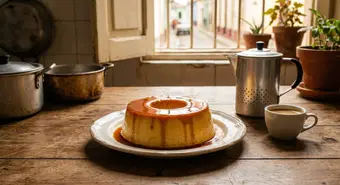
Cuban Flan: The Caramel Custard That Steals the Show at Every Table
Traditional Cuban flan recipe with condensed milk and caramel. History, tips, and step-by-step guide to this iconic Cuban dessert.