Cuban Sodas: Tropicola, Iron Beer and Bottled Nostalgia
Discover the traditional Cuban soft drinks that shaped generations. History, flavors, and where to find them today.
5 min read
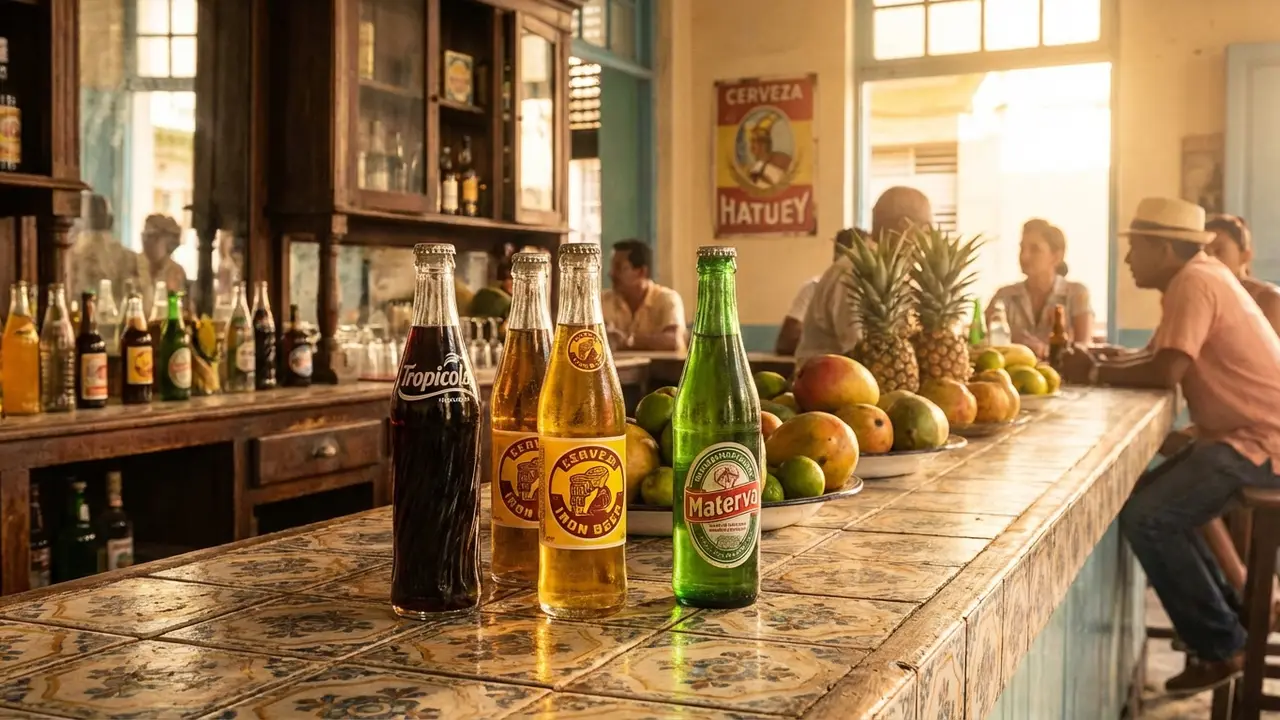
Illustration: Aroma de Cuba (AI)
For Cubans of any generation, few things evoke as much nostalgia as the sound of a soda bottle opening. We’re not talking about global brands that dominate the world market, but those drinks that were part of the island’s everyday landscape: Tropicola, Iron Beer, Materva, and others that defined the taste of hot afternoons, family parties, and simple moments of Cuban life.
The History of Soft Drinks in Cuba
Before 1959, Cuba was a vibrant market for carbonated beverages. American brands competed with local producers who created unique flavors adapted to the tropical palate. After the revolution and the embargo, the island had to reinvent its soda industry, giving rise to alternatives that are now cultural icons.
The state company Ciego Montero, founded near the city of the same name in Cienfuegos province, became Cuba’s main beverage producer. Their mineral waters and soft drinks reached every corner of the island.
Tropicola: The Taste of Cuba
Tropicola was born as Cuba’s answer to international colas. With its characteristic flavor combining the familiar cola genre with a distinctive sweetness, it won the hearts of Cubans.
Tropicola Characteristics:
- Intense caramel color
- Pronounced sweetness with vanilla notes
- Softer bubbles than American colas
- Best served ice-cold with lemon
For many exiles, finding a Tropicola (or its equivalent) represents an instant journey to childhood. In Latin stores in Miami and other cities with Cuban communities, versions produced outside the island keep the tradition alive.
Iron Beer: The Refreshing Enigma
Perhaps no Cuban soda generates as much curiosity as Iron Beer. Its name suggests beer, but it’s completely alcohol-free. This drink has roots dating back to early 20th century America, but was adopted with fervor in Cuba.
Iron Beer’s Unique Flavor
- Hard-to-describe tropical fruit blend
- Notes of cherry, vanilla, and spices
- Characteristic amber color
- Balanced sweetness that refreshes without cloying
Today, Iron Beer is produced in Miami and widely distributed in Hispanic markets. For Cubans in the diaspora, it’s one of the most accessible tastes of their heritage.
Materva: The Caribbean’s Yerba Mate
Materva represents the fusion of South American traditions with Cuban taste. Based on Argentine yerba mate, this carbonated drink offers a completely different flavor profile from traditional colas.
Why Materva is Special:
- Unique herbal flavor derived from yerba mate
- Slightly bitter with compensating sweetness
- Refreshing in a different way than other sodas
- Contains a small amount of natural caffeine
Cawy Bottling Co. in Miami produces Materva and other Cuban-inspired sodas, keeping these flavors alive for new generations.
Other Sodas That Made History
Jupiña
The quintessential pineapple soda. Sweet, tropical, and perfect for Cuban heat. Goya Foods produces a version found in supermarkets across the United States.
Cachito
A lemon-lime soda that competed with international brands in the genre. Its citrus, refreshing flavor made it popular on the hottest days.
Pru Oriental
More than a soda, pru is a traditional drink from Cuba’s eastern region, especially Santiago. Made with fermented roots, barks, and herbs, it has a unique flavor unlike anything else. Artisanal by nature, every family has their recipe.
Where to Find Cuban Sodas Today
In the United States:
- Latin supermarkets: Sedano’s, Presidente, Publix (Hispanic section)
- Cuban stores: Especially in Miami, Union City, Tampa
- Online: Amazon, MiamiCubanFood
In Cuba:
Local soft drinks are found in state cafeterias and markets, though availability can vary. Tropicola and other Ciego Montero brands are most common.
The Cuban Soda Ritual
In Cuba, soda isn’t just a beverage—it’s part of social rituals. It’s shared at family gatherings, accompanies traditional cuisine, and gets creatively mixed:
- Cuba Libre: Rum with Tropicola and lime (when there’s no Coca-Cola)
- Sodas with crushed ice: Slushie-style to beat the heat
- Mixed with natural juices: Creating unique flavors
Liquid Nostalgia
For the Cuban diaspora, these soft drinks represent much more than beverages. They’re time capsules, portals to memories of a Cuba that exists mainly in remembrance. Each sip of Iron Beer can transport you to an afternoon on the Malecón; each cold Tropicola evokes childhood birthdays.
New generations born outside Cuba discover these flavors through grandparents and parents who insist on keeping traditions alive. At quinceañeras in Miami, weddings in New Jersey, and family reunions everywhere, these sodas keep flowing.
Conclusion
Traditional Cuban soft drinks are liquid witnesses to a nation’s history. From pre-revolutionary days to present-day Cuba and exile communities around the world, drinks like Tropicola, Iron Beer, and Materva have maintained their place in Cuban hearts.
Whether you’re looking to reconnect with your roots or simply explore unique Caribbean flavors, these sodas offer a delicious window into Cuban culture. Look for them at your nearest Latin store and toast to Cuba—one bottle at a time.
Do you have memories of Cuban sodas? Which was your favorite? Childhood flavors have the power to transport us. Share your story in the comments.
Frequently asked questions
What is Tropicola and what does it taste like?
Where can I buy Cuban sodas in the United States?
What's the difference between Iron Beer and regular beer?
Are traditional sodas still made in Cuba today?
How we got here
Background
The first thing we published on this topic.
Cuban Coffee Harvest Promises to Be the Best in Decades
The mountains of the Sierra Maestra produce an exceptional harvest thanks to new agricultural techniques.
Habanos: Complete Guide to the Most Prestigious Cuban Cigars
Cohiba, Montecristo, Romeo y Julieta — discover the legendary Cuban cigar brands, how to choose them, and where to buy them.
Related articles
Cuban Tostones: The Art of Twice-Fried Green Plantains
Learn to make perfect tostones, the crispy side dish that defines the Cuban table. History, technique, and secrets.

Cuban Yarey Hat: Traditional Palm Leaf Artisan Craftsmanship
Discover the sombrero de yarey, an iconic Cuban craft hand-woven from palm leaves. History, techniques, and where to buy.
Prú Oriental: Cuba's Most Refreshing Fermented Drink
Discover Prú Oriental, a traditional Cuban fermented beverage made with roots and herbs. History, recipe and ingredients of this Eastern Cuban treasure.
The Cuban Guayabera: History, Styles and Where to Buy One
Discover the history of the Cuban guayabera, the Caribbean's most elegant shirt. Styles, fabrics, and stores to find yours.
Yarey Hat: Cuba's Iconic Countryside Symbol and National Heritage
Discover the Cuban yarey hat, an intangible national heritage. History, artisanal craft process, origins in Camajuaní, and where to buy one.

The Cuban Guayabera: History, Style & Tropical Elegance
Discover the Cuban guayabera, the Caribbean's most iconic shirt. Its history from Sancti Spíritus, features, how to choose one, and where to buy.