Cuban Yarey Hat: Traditional Palm Leaf Artisan Craftsmanship
Discover the sombrero de yarey, an iconic Cuban craft hand-woven from palm leaves. History, techniques, and where to buy.
4 min read
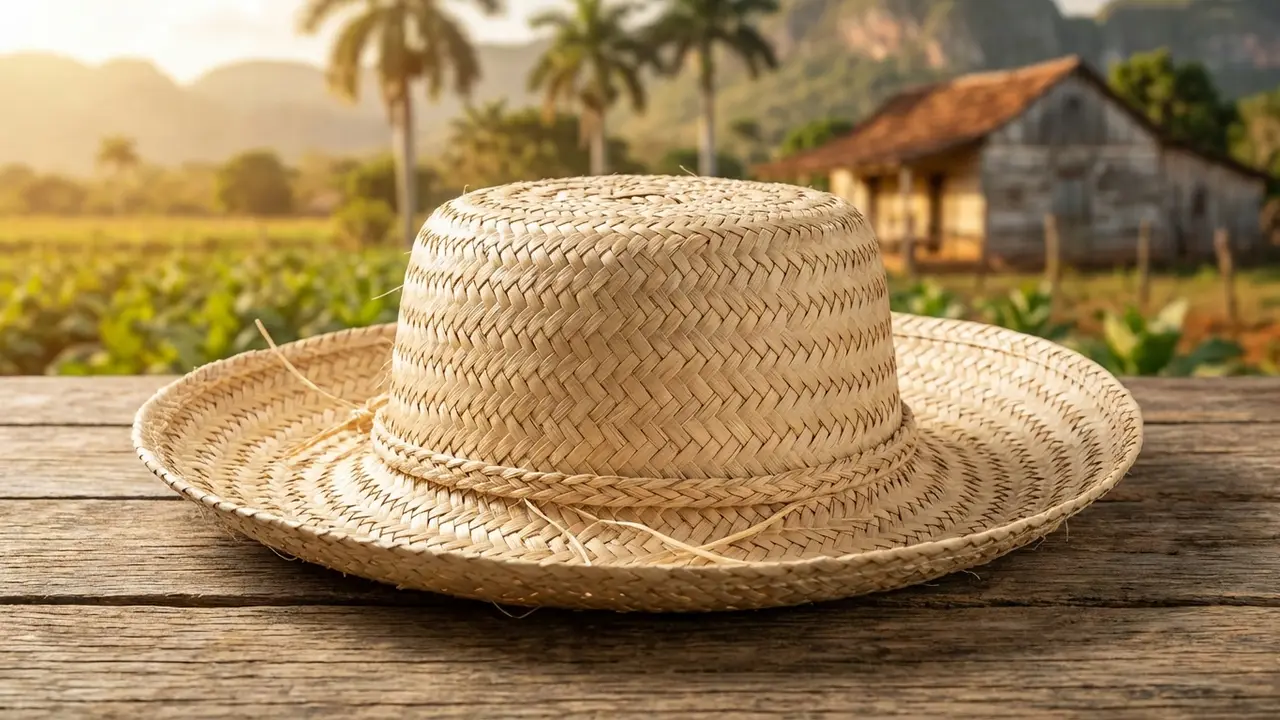
Illustration: Aroma de Cuba (AI)
The sombrero de yarey is much more than an accessory for protection from the tropical sun. It’s a symbol of Cuban peasant identity, artisanal heritage woven from generation to generation, and an emblem of the guajiro who works the land under the Caribbean sun.
The Yarey Palm: Cuba’s Natural Treasure
The yarey palm (Copernicia yarey) is a species endemic to Cuba, part of the palm family that includes the iconic royal palm. Its resistant and flexible leaves have been used for centuries by Cuban artisans to create hats, baskets, fans, and mats.
This palm grows abundantly in the provinces of:
- Camagüey — center of artisanal production
- Las Tunas — family tradition of weavers
- Holguín — high-quality hats
- Sancti Spíritus — distinctive regional styles
History of the Yarey Hat
The original Taíno peoples already used palm fibers to create utilitarian objects. With the arrival of the Spanish and agricultural development, the yarey hat became an essential garment for Cuban farmers.
During the 19th and 20th centuries, the yarey hat symbolized resistance and national identity. The mambises (independence soldiers) wore them during the wars of independence, and it became an icon of the agricultural worker.
Today, the yarey hat is recognized as Cuban Cultural Heritage, and weaving techniques are passed from parents to children in rural communities.
Crafting Techniques
Leaf preparation
- Harvest — The tender palm hearts are cut
- Drying — Leaves dry in the sun for several days
- Bleaching — Soaked in sulfur water to lighten the color
- Cutting — Strips are separated for weaving
Traditional weaving
Artisans primarily use two techniques:
- Spiral weaving — The most common, creating circular patterns from the crown
- Braided weaving — More complex, allowing decorative designs
A quality hat can contain more than 500 yarey strips perfectly interlaced.
Hat Styles
Traditional guajiro hat
The classic with high crown and wide brim, ideal for fieldwork. Provides maximum sun protection.
Jipi hat
Finer and more elegant, similar to the Ecuadorian panama but with Cuban fibers. Perfect for semi-formal occasions.
Decorative hat
With colorful designs and ornaments, used in festivals and cultural celebrations.
Yarey in Cuban Culture
The yarey hat appears throughout Cuban iconography:
- Guajira music — Troubadours wear it as a symbol of authenticity
- Peasant décimas — Mentioned in countless verses
- Visual arts — Present in works by artists like Carlos Enríquez
- Cuban cinema — Visual icon of the Cuban countryside
Together with the guayabera and riding boots, the yarey hat completes the traditional guajiro attire.
Where to Buy Yarey Hats
In Cuba
- Cuban Cultural Heritage Fund — Stores throughout the island with certified crafts
- Artisan fairs — Especially in Camagüey and Sancti Spíritus
- Local markets — More accessible prices, variable quality
Abroad
- Etsy — Independent artisans
- Amazon — Commercial options
- Latin American craft shops — In cities with Cuban communities
Approximate prices
| Type | Price (USD) |
|---|---|
| Basic hat | $15-25 |
| Medium quality | $30-50 |
| Fine artisanal | $60-120 |
| Collector’s piece | $150+ |
Care and Preservation
To make your yarey hat last for years:
- Storage — Keep in a cool, dry place, preferably in a box
- Cleaning — Use a soft damp cloth, never submerge it
- Hydration — Apply coconut oil once a year to maintain the fibers
- Shape — If deformed, lightly dampen and mold while drying
Complementary Crafts
Yarey is also used to create other traditional products:
- Baskets — For harvesting and storage
- Fans — Essential in Cuban heat
- Mats (petates) — For sitting or sleeping
- Bags and purses — Contemporary designs
Explore more about Cuban craftsmanship and traditional musical instruments from the island.
A Living Legacy
Every yarey hat tells a story. In its interlaced fibers lives the knowledge of generations of Cuban artisans, the resilience of the guajiro under the relentless sun, and the beauty of a tradition that refuses to disappear.
When you wear a yarey hat, you carry a piece of Cuba with you — its land, its people, its history.
Have you visited an artisan community in Cuba? Do you own a yarey hat? Share your experience on social media with #AromaDeCuba.
Frequently asked questions
What is yarey and where does it come from?
How long does it take to make a yarey hat?
Where can I buy authentic yarey hats?
How do I care for a yarey hat?
How we got here
Background
The first thing we published on this topic.
Habanos: Complete Guide to the Most Prestigious Cuban Cigars
Cohiba, Montecristo, Romeo y Julieta — discover the legendary Cuban cigar brands, how to choose them, and where to buy them.
Cuban Rum: Complete Guide to Brands, History, and How to Enjoy It
Discover the world of Cuban rum: from Havana Club to Santiago de Cuba. History, legendary brands, aging types, and secrets to tasting it like an expert.
Related articles

Cuban Sodas: Tropicola, Iron Beer and Bottled Nostalgia
Discover the traditional Cuban soft drinks that shaped generations. History, flavors, and where to find them today.
Prú Oriental: Cuba's Most Refreshing Fermented Drink
Discover Prú Oriental, a traditional Cuban fermented beverage made with roots and herbs. History, recipe and ingredients of this Eastern Cuban treasure.

The Cuban Guayabera: History, Styles and Where to Buy One
Discover the history of the Cuban guayabera, the Caribbean's most elegant shirt. Styles, fabrics, and stores to find yours.
Yarey Hat: Cuba's Iconic Countryside Symbol and National Heritage
Discover the Cuban yarey hat, an intangible national heritage. History, artisanal craft process, origins in Camajuaní, and where to buy one.
The Cuban Guayabera: History, Style & Tropical Elegance
Discover the Cuban guayabera, the Caribbean's most iconic shirt. Its history from Sancti Spíritus, features, how to choose one, and where to buy.
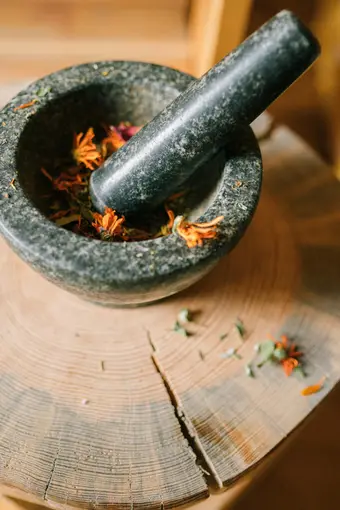
Cuban Medicinal Plants: A Guide to Cuba's Green Medicine Tradition
Discover Cuba's most popular medicinal plants, from aloe vera to lemongrass. History, uses, and traditions of Cuban green medicine.