Cuban Medicinal Plants: A Guide to Cuba's Green Medicine Tradition
Discover Cuba's most popular medicinal plants, from aloe vera to lemongrass. History, uses, and traditions of Cuban green medicine.
5 min read
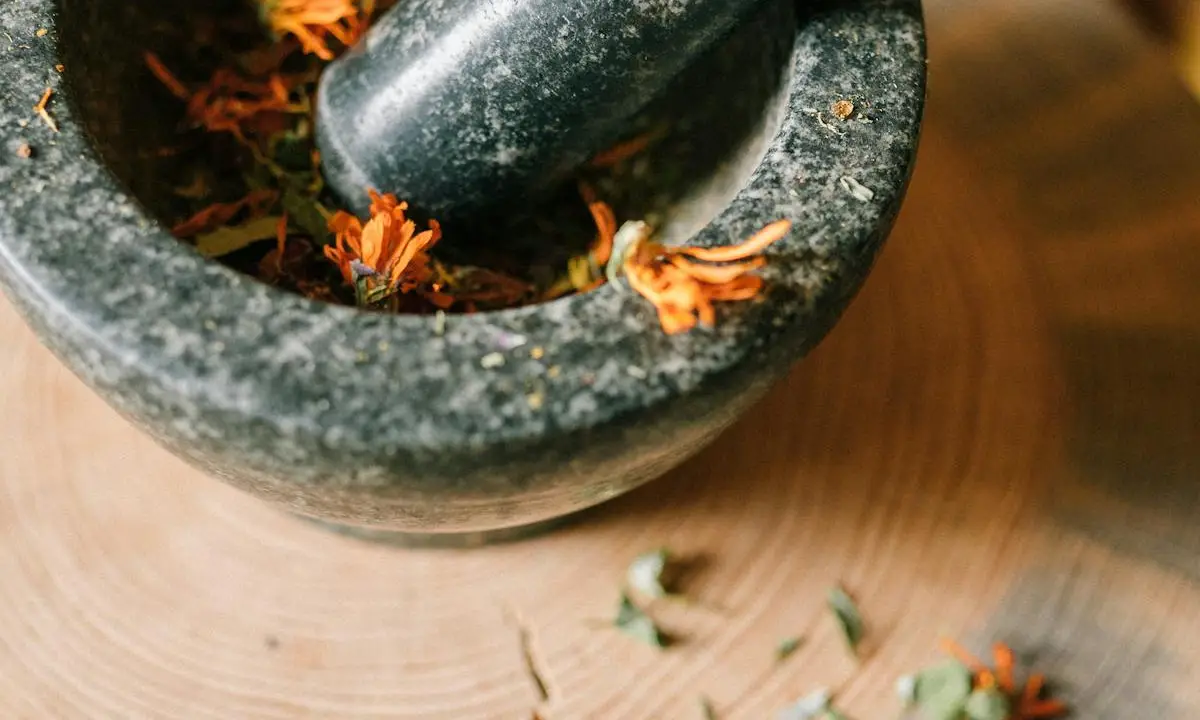
In every Cuban patio, balcony, and courtyard grows a natural pharmacy. From the mountains of eastern Cuba to Havana’s urban gardens, medicinal plants have been the first line of health defense for millions of Cubans for centuries. It’s not just tradition — it’s a living knowledge system that the Cuban government officially recognized in 1991 with its Green Medicine (Medicina Verde) program.
Roots of an Ancient Tradition
Cuban herbal medicine is a cultural melting pot. The indigenous Taíno people already used plants like tobacco (Nicotiana tabacum) in healing rituals and guásima bark for ailments. With the arrival of enslaved Africans, healing practices from the continent merged with Yoruba religion — in Cuban Santería, each orisha has sacred plants called ewé.
Chinese immigrants in the 19th century brought species like bitter melon (cundeamor) and chinaberry (paraíso), further expanding the island’s botanical repertoire. The result: a unique ethnobotanical system with over 1,500 documented medicinal species.
The 12 Essential Plants of Cuban Green Medicine
1. Aloe Vera (Sábila)
The undisputed queen of the Cuban patio. Its fleshy leaves contain a gel with wound-healing, anti-inflammatory, and digestive properties. Applied directly to burns, cuts, and skin conditions. Also consumed as juice for stomach acidity. Cuba produces natural cosmetics based on aloe vera.
2. Chamomile (Manzanilla)
The universal remedy of the Cuban grandmother. A chamomile infusion calms the stomach, reduces anxiety, and helps induce sleep. Also used as a hair rinse and as an anti-inflammatory compress.
3. Lemongrass (Caña Santa)
Known locally as hierba de limón or limoncillo, it’s perhaps Cuba’s most popular herbal tea. A cup of “caña santa tea” after meals is a national ritual: digestive, relaxing, and delicious. It grows wild across the island.
4. Cuban Oregano (Orégano Francés)
Called “orégano orejón” for its thick, velvety leaves, it’s the star remedy for coughs and asthma. Crushed leaves with warm oil are applied as a chest poultice. Mixed with Cuban honey, it makes an unbeatable homemade cough syrup.
5. Basil (Albahaca)
More than a seasoning: basil relieves headaches, improves mood, and fights colds. In Afro-Cuban tradition, it’s the sacred herb of Obatalá and is used in spiritual cleansings (despojos).
6. Bitter Melon (Cundeamor)
This bitter fruit is the traditional remedy for diabetes and skin problems. Cuban grandmothers swear it “purifies the blood.” Modern scientific studies confirm it contains compounds with hypoglycemic action, validating folk wisdom.
7. Guinea Hen Weed (Anamú)
A tropical plant with a strong garlic-like smell, considered a powerful immune stimulant. Used to strengthen defenses, as an anti-inflammatory, and for respiratory conditions. In Santería, it’s an herb of Babalú Ayé.
8. Cuban Linden (Tilo)
Cuban tilo isn’t European linden, but it serves the same purpose: calming the nerves. An infusion before bed is the most prescribed natural anxiolytic in Cuba’s green medicine clinics.
9. Bitter Broom (Escoba Amarga)
Effective against joint pain, arthritis, and muscle soreness. Its diuretic properties help eliminate excess fluids, and it also combats coughs and colds.
10. Guásima (Guazuma ulmifolia)
A native tree with potent anti-inflammatory, analgesic, and antioxidant effects. Bark decoction is a traditional remedy for diarrhea and digestive problems.
11. Sage (Salvia)
Rich in antioxidants, sage strengthens the immune system. Prepared as an infusion for respiratory problems and used as a gargle for sore throats.
12. Star Anise (Anís Estrellado)
Arriving from Asia through Chinese immigration, it’s the go-to remedy for gas, colic, and indigestion. Its sweet flavor makes it one of the most pleasant teas in Cuban herbalism.
The Green Medicine Program
In 1991, facing the economic crisis of the Special Period, Cuba institutionalized herbal medicine. The Ministry of Public Health created the Traditional and Natural Medicine (TNM) program, which includes:
- Green pharmacies (farmacias verdes) in every municipality
- Industrial production of herbal medicines by laboratories like LABIOFAM
- Scientific research at centers like CIDEM (Center for Drug Research and Development)
- Integration of herbalism into primary healthcare
Today Cuba produces over 60 registered herbal medicines, from Cuban oregano syrups to lemongrass tablets, available in pharmacies nationwide.
How Green Remedies Are Prepared
Infusion
The simplest method. Pour hot water (not boiling) over leaves, flowers, or tender plant parts and steep for 5-10 minutes. Ideal for chamomile, linden, and lemongrass.
Decoction
For hard parts like roots, bark, and stems. Boil the plant for 10-20 minutes and strain. The preferred method for guásima, star anise, and bitter melon.
Poultice
Fresh leaves are crushed and applied directly to the affected area, sometimes with warm oil. Cuban oregano on the chest for coughs is the classic example.
Syrup
Plant juice is mixed with honey or sugar. Cuban oregano syrups with Cuban honey are a home remedy found in practically every Cuban household.
Where to Find Cuban Medicinal Plants
In Cuba, plants are found at organopónicos (urban gardens), farmers’ markets, green pharmacies, and of course, in the neighbor’s yard. In the diaspora:
- Miami: Botánicas and herb shops on Calle Ocho and in Hialeah offer fresh and dried herbs
- Online: Shops on Amazon and Etsy carry dried Caribbean herbs
- Grow your own: Many of these plants thrive in pots in warm climates across Florida, Texas, and California
A Pharmacy That Never Closes
Cuban green medicine isn’t a wellness trend or a new-age fad — it’s a complementary health system with centuries of experience and growing scientific backing. In a country where pharmaceutical resources have always been limited, medicinal plants represent resilience, identity, and collective wisdom.
As the Cuban saying goes: “He who has a patio has a pharmacy” — “El que tiene patio, tiene farmacia.”
Frequently asked questions
What are the most popular medicinal plants in Cuba?
What is Cuban green medicine?
Where can you buy Cuban medicinal herbs in the United States?
Is it safe to use Cuban medicinal plants?
How we got here
Background
The first thing we published on this topic.
Habanos: Complete Guide to the Most Prestigious Cuban Cigars
Cohiba, Montecristo, Romeo y Julieta — discover the legendary Cuban cigar brands, how to choose them, and where to buy them.
Cuban Rum: Complete Guide to Brands, History, and How to Enjoy It
Discover the world of Cuban rum: from Havana Club to Santiago de Cuba. History, legendary brands, aging types, and secrets to tasting it like an expert.
Related articles
Cuban Flan: The Caramel Custard That Steals the Show at Every Table
Traditional Cuban flan recipe with condensed milk and caramel. History, tips, and step-by-step guide to this iconic Cuban dessert.
Arroz Imperial: Cuba's Showstopping Layered Rice Casserole
Discover arroz imperial, the Cuban layered rice casserole with chicken, mayo, and melted cheese. History, step-by-step recipe, and tips.

The Cuban Guayabera: History, Style & Tropical Elegance
Discover the Cuban guayabera, the Caribbean's most iconic shirt. Its history from Sancti Spíritus, features, how to choose one, and where to buy.
Yarey Hat: Cuba's Iconic Countryside Symbol and National Heritage
Discover the Cuban yarey hat, an intangible national heritage. History, artisanal craft process, origins in Camajuaní, and where to buy one.
Cuban Casabe: The Ancient Taíno Cassava Bread, UNESCO Heritage
Complete guide to Cuban casabe, the cassava flatbread inherited from the Taínos. History, preparation, UNESCO 2024 recognition, and where to buy.

Cuban Bread: History, Recipe, and the Palmetto Leaf Secret
Discover the history of Cuban bread from Ybor City to your table. Traditional recipe, palmetto leaf technique, and where to find it.