Cuban Fufú de Plátano: African Heritage in Every Bite
Cuban fufú de plátano traces its roots to West Africa. Learn the history, traditional recipe with pork cracklings, and mojo criollo.
4 min read
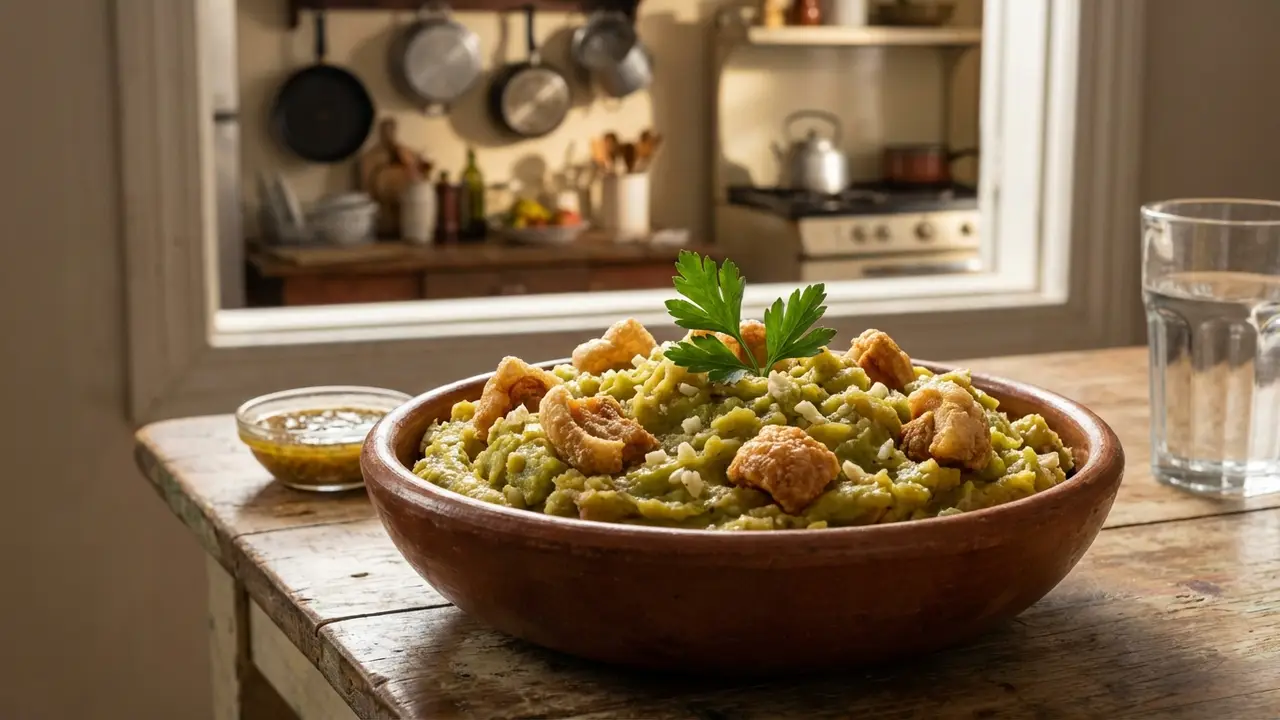
Illustration: Aroma de Cuba (AI)
From West Africa to the Cuban kitchen
Few dishes tell Cuba’s story as honestly as fufú de plátano. The name itself is a passport: it comes from West African fufu, where peoples like the Yoruba, Akan, and Igbo pounded yam, cassava, or plantain into a smooth mass to accompany thick soups and stews.
When enslaved Africans arrived in Cuba between the 16th and 19th centuries, they brought this ancestral technique with them. On the island they found plantains in abundance — introduced from the Canary Islands — and adapted their recipe. Cuban fufú was born: a bridge between two continents, cooked in the barracks and kitchens of sugar plantations.
What makes Cuban fufú unique
Unlike its Puerto Rican cousin, mofongo (where plantains are fried), Cuban fufú is made with boiled green plantains that are then mashed in a pilón (mortar) or directly in the pot. It’s mixed with:
- Crispy pork cracklings (check out our chicharrones de puerco cubanos recipe)
- Garlic — crushed generously
- Onion — sautéed until golden
- Mojo criollo with sour orange and cumin
- Pork or chicken broth for moisture
The result is a rustic, aromatic mass with irregular chunks of crackling that add salt and texture. It’s not elegant — it’s honest.
Traditional fufú de plátano recipe
Ingredients (6 servings)
| Ingredient | Amount |
|---|---|
| Large green plantains | 4 |
| Pork cracklings | 1 cup (crushed) |
| Bacon | 4 strips |
| White onion | 1 large, diced |
| Garlic cloves | 6, crushed |
| Chicken or pork broth | ½ cup |
| Olive oil | 2 tablespoons |
| Salt and pepper | To taste |
| Lime juice or sour orange | 2 tablespoons |
Instructions
-
Peel the plantains: Cut both ends and make a lengthwise slit in the skin. Soak them in hot water for 5 minutes so the peel comes off easily.
-
Boil: Cut the plantains into large chunks (not small — to prevent them from absorbing too much water) and boil in salted water for 20-25 minutes until fork-tender.
-
Make the sofrito: While they boil, fry the bacon until crispy. Remove and sauté the onion and garlic in the same fat until golden and fragrant.
-
Mash: Drain the plantains and mash with a fork or pilón. Don’t aim for a perfectly smooth texture — fufú has character with its lumps.
-
Combine: Fold in the sautéed onion and garlic, crushed cracklings, crumbled bacon, warm broth, and lime juice. Mix vigorously.
-
Serve: Hot, in a bowl or as a side. A drizzle of mojo criollo on top is the perfect finishing touch.
Kitchen secrets
- The pilón makes a difference: If you have a traditional wooden mortar, use it. The texture it produces is unmatched.
- Don’t skimp on garlic: Cuban fufú is generous with garlic. Six cloves minimum for four plantains.
- Semi-ripe plantain: Mixing one pintón among the green ones adds a subtle sweetness that balances the salt from the cracklings.
Beyond a side dish
Fufú works spectacularly with saucy main dishes. Try it alongside:
- A Cuban chicken fricassee with its olives and potatoes
- Shredded ropa vieja spooned over the fufú
- A red bean potaje ladled alongside
- A bistec de palomilla with its onions on top
In rural Cuba, especially in the eastern provinces like Santiago de Cuba and Guantánamo — where African heritage runs deepest — fufú remains an everyday dish. It’s not restaurant food; it’s home food, family food, roots food.
A dish that is identity
Fernando Ortiz, Cuba’s great ethnographer, famously used the ajiaco as a metaphor for Cuban identity: a mixture of cultures in one pot. Fufú is another perfect example. Every bite holds Africa, Spain, and the Caribbean together. The plantain that the Canary Islanders brought, the technique that enslaved Africans carried, the pork that the colony contributed.
To eat fufú is to eat history. And history, in Cuba, always tastes good.
Frequently asked questions
What is the difference between Cuban fufú and Puerto Rican mofongo?
Can you make fufú with ripe plantains?
What dishes pair well with fufú de plátano?
Where does the name fufú come from?
How we got here
Background
The first thing we published on this topic.
Cuban Coffee Harvest Promises to Be the Best in Decades
The mountains of the Sierra Maestra produce an exceptional harvest thanks to new agricultural techniques.
Ropa Vieja: The Soul of Cuban Cuisine on a Plate
Discover the history, secrets, and traditional recipe of ropa vieja, Cuba's national dish that has conquered palates around the world.
Related articles
Plátanos Maduros: The Sweet Fried Plantains on Every Cuban Table
Master Cuban fried sweet plantains with this traditional recipe. Learn the secrets to perfect caramelization and golden texture.
Cuban Guarapo: The Island's Most Refreshing Natural Drink
Discover guarapo, Cuba's beloved fresh sugarcane juice. Learn its history, how it's made with a trapiche, and where to find it.
Casquitos de Guayaba: Cuba's Sweetest Guava Shell Dessert
Traditional Cuban guava shells in syrup with cream cheese. Learn the authentic recipe, history, and secrets of this beloved Caribbean dessert.
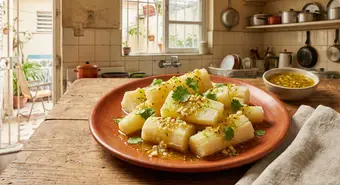
Yuca con Mojo: The Side Dish That Defines the Cuban Table
Authentic Cuban yuca with mojo criollo recipe. Learn the secrets of garlic, citrus, and olive oil that make this dish a classic.
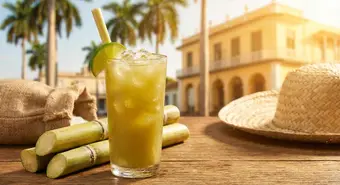
Guarapo: Cuba's Refreshing Sugarcane Juice You Need to Try
Discover guarapo, the fresh Cuban sugarcane juice. Learn its history, how it's made, and where to find it.
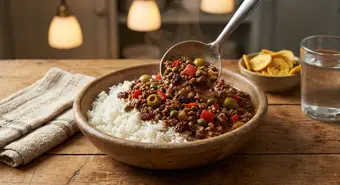
Cuban Picadillo: The Ultimate Comfort Food Recipe from Havana
Master authentic Cuban picadillo with olives and raisins. Learn the history, ingredients, and secrets of this beloved Caribbean dish.