Cuban Chicharrones de Puerco: The Crunch that Conquered the Caribbean
Authentic Cuban pork cracklings recipe with step-by-step technique, history, and tips for achieving the perfect crispy chicharrón.
4 min read
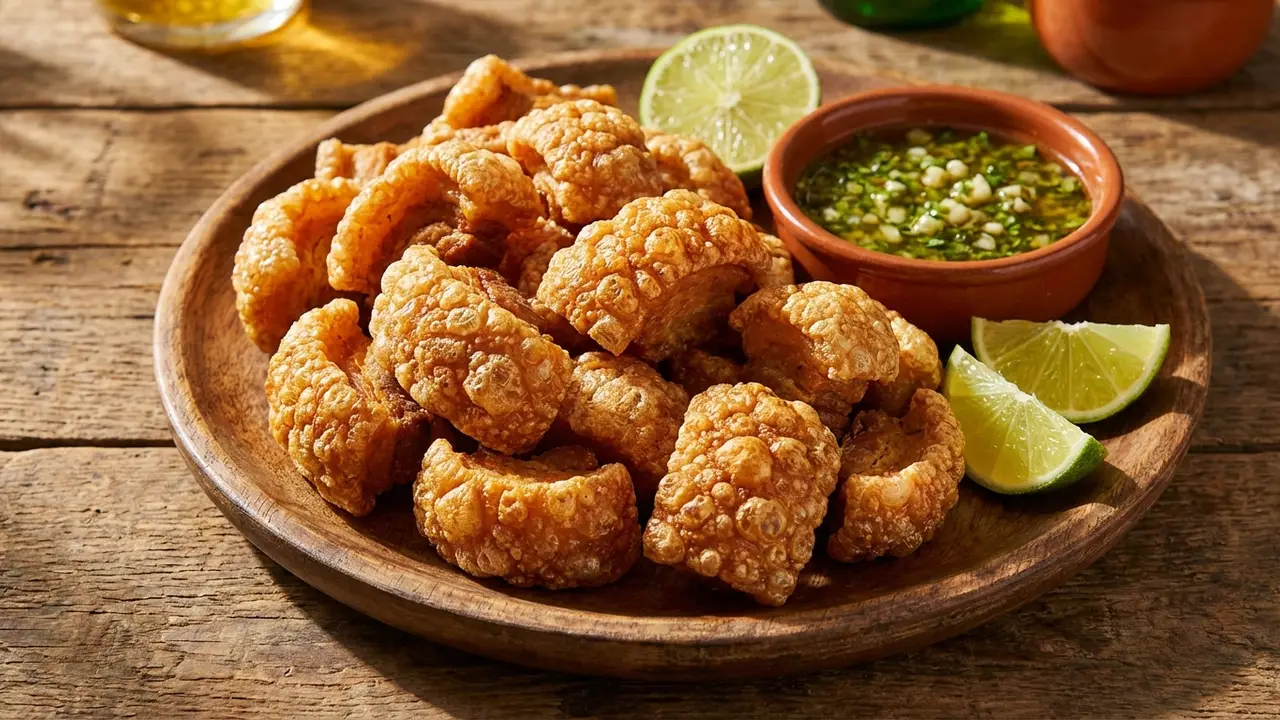
Illustration: Aroma de Cuba (AI)
Cuban Chicharrones de Puerco: The Crunch that Conquered the Caribbean
At every Cuban country party, roadside stand, and family celebration, there’s one unmistakable sound: the crack of a perfect chicharrón between your teeth. Cuban pork cracklings are far more than a fried snack — they’re a culinary institution connecting generations to the countryside, the bohíos (thatched-roof houses), and the age-old tradition of the matanza del cerdo (hog butchering).
If lechón asado is the king of Christmas Eve, chicharrones are the cook’s reward — the first golden pieces eaten standing up, by hand, before the rest of the meal is even ready.
A history written in lard
Chicharrones arrived in Cuba with Spanish colonizers who brought Iberian pigs to the Caribbean in the 16th century. The principle of using every part of the animal — fundamental to Cuban peasant cooking — transformed pork skin and fat into a crispy delicacy that could be preserved without refrigeration.
In the Cuban countryside, the matanza del puerco (pig slaughter) was and remains a communal event. While some prepared the meat for roasting, others cut the skin into pieces and slowly fried them in a caldero (iron pot). Chicharrones were the day’s first reward, served hot with a squeeze of lime.
Chicharrones in Cuban culture
Chicharrones are so embedded in Cuban identity that they’ve shaped the language itself. “Tener chicharrones” means to have problems, and “esto tiene más chicharrones que un puerco” (this has more cracklings than a pig) describes something complicated. In Cuban country music and son cubano, they appear as symbols of rural life.
The authentic Cuban recipe
Ingredients (serves 6)
- 2.2 lbs (1 kg) pork skin with fat attached (belly or shoulder)
- Juice of 1 lime
- Coarse salt to taste
- 4 garlic cloves, crushed
- ½ cup mojo criollo (optional, for marinating)
- Oil or lard for frying
Step-by-step method
1. Prepare the pork
Cut the skin with fat into 1-1.5 inch pieces. Some Cuban cooks marinate them for 2-4 hours in lime juice, crushed garlic, and salt — this tenderizes the skin and adds flavor.
2. Slow cook (the Cuban secret)
Place the pieces in a large caldero or heavy pot with half an inch of water. Cook over medium-low heat. The water will evaporate and the pork fat will begin to render. The pieces cook slowly in their own fat for 30-40 minutes.
3. The blast of heat
When the pieces are tender and the fat is clear, raise the heat to medium-high. This is where the magic happens: the skin puffs up, bubbles, and turns golden. Stir constantly with a slotted spoon for even cooking. In 10-15 minutes, you’ll have golden, crispy chicharrones.
4. Drain and season
Remove with a slotted spoon and place on paper towels. While still hot, squeeze lime juice over them and sprinkle with salt. Serve immediately.
Cuban cook’s tip: Never cover chicharrones after frying — trapped moisture softens them. Serve on an open plate or in a paper bag.
Regional variations
Chicharrones de viento
Skin-only pieces without fat, puffed during frying until hollow and ultra-crispy. These are lighter and sold as street snacks in Havana.
Chicharrones con mojo
In eastern Cuba, chicharrones are drenched in hot mojo criollo with plenty of garlic and sour orange. The combination of crunch and tangy sauce is extraordinary.
Masitas de puerco fritas
Close cousins of chicharrones: chunks of pork meat (not just skin) marinated in sour orange and garlic, fried until golden. They’re often sold alongside chicharrones at Cuban festivals.
How to serve chicharrones
The most Cuban way: on a plate at the center of the table for everyone to pick at while waiting for the meal, with lime wedges alongside. They also pair beautifully with:
- Moros y cristianos and tostones
- Hot Cuban black beans
- Yuca con mojo for a complete snack
- An ice-cold mojito
Nutritional information (per 100g)
| Nutrient | Amount |
|---|---|
| Calories | ~540 kcal |
| Protein | 25g |
| Fat | 47g |
| Carbohydrates | 0g |
| Sodium | 820mg |
Chicharrones are high in calories and fat — a treat to enjoy in moderation, as with all great Cuban traditions.
Chicharrones today
In Miami, Tampa, and other cities with Cuban communities, chicharrones hold their place at coffee-window ventanitas, Nochebuena celebrations, and Cuban restaurants. Chains like Sedano’s and Latin butcher shops sell them fresh daily.
In Cuba, despite economic hardships, chicharrones still appear at every celebration. Where there’s a pig and a caldero, there will be chicharrones — a promise that never needs to be written down.
Want to keep exploring Cuban cuisine? Try our recipe for ropa vieja, the national dish, or discover the secrets of the Cuban daiquirí.
Frequently asked questions
What is the best cut of pork for Cuban chicharrones?
Why do my chicharrones come out tough instead of crispy?
Can chicharrones be made in an oven or air fryer?
How long do chicharrones stay crispy after frying?
How we got here
Background
The first thing we published on this topic.
Cuban Coffee Harvest Promises to Be the Best in Decades
The mountains of the Sierra Maestra produce an exceptional harvest thanks to new agricultural techniques.
Ropa Vieja: The Soul of Cuban Cuisine on a Plate
Discover the history, secrets, and traditional recipe of ropa vieja, Cuba's national dish that has conquered palates around the world.
Related articles
Masitas de Puerco: Cuba's Crispy Fried Pork Chunks You'll Never Forget
Learn the authentic recipe for Cuban masitas de puerco fritas, their peasant roots, and the mojo criollo secrets that make them irresistible.
Essential Cuban Condiments: Sour Orange, Bijol, and Adobo Criollo
Complete guide to the Cuban condiments that define our cuisine: sour orange, bijol, adobo criollo, cumin, and oregano.
Cuban Buñuelos: The Christmas Fritters That Taste Like Home
Traditional Cuban buñuelos recipe with yuca and malanga in anise syrup. History, technique and secrets of Cuba's most beloved holiday dessert.
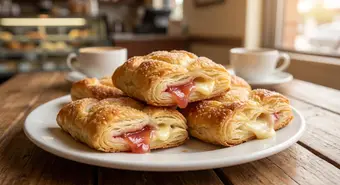
Cuban Guava Pastelitos: The Flaky Pastry That Stole Miami's Heart
History, recipe, and secrets of Cuban pastelitos de guayaba y queso. From golden puff pastry to guava filling, Cuba's most addictive sweet bite.
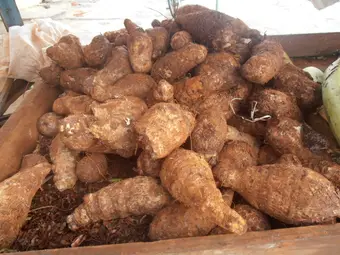
Cuban Viandas: Complete Guide to Cuba's Root Vegetables & Tubers
Discover Cuban viandas: malanga, boniato, yam, plantain and more. History, culinary uses and where to buy them.
Cuban Organic Honey: The Caribbean's Golden Treasure Conquering Europe
Cuba produces 100% organic honey without pesticides. Discover why Cuban honey is conquering European markets and its beekeeping history.