The Daiquiri: Story of the Cocktail Born in Cuba's Iron Mines
Discover the history of the Daiquiri, the Cuban cocktail Hemingway loved. From Santiago's mines to El Floridita in Havana.
5 min read
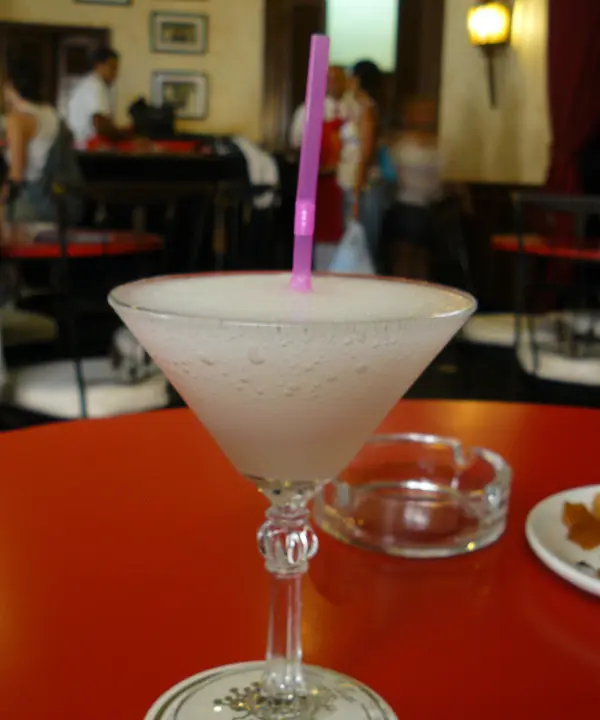
At the bar of El Floridita, Havana’s most famous watering hole, a bronze statue of Ernest Hemingway eternally gazes at the spot where he drank thousands of Daiquirís. But this Cuban cocktail’s story doesn’t begin in Havana — it starts in the dusty iron mines of Santiago de Cuba, where an American engineer without gin improvised the drink that would conquer the world.
The Birth of a Legend (1898)
The Daiquiri’s history is wrapped in legend, but the most accepted version involves Jennings Cox, an American mining engineer working at the iron mines near Daiquirí beach, on the outskirts of Santiago de Cuba.
According to the story, during a gathering with colleagues, Cox ran out of gin — the preferred drink of Anglo-Saxons at the time. With an engineer’s creativity, he grabbed what he had on hand: local rum, fresh limes, and sugar. He shook it all with ice, and the Daiquiri was born.
“Cuban rum was of such quality that it didn’t need to hide behind other flavors. It just needed good companions: the acidity of lime and the sweetness of sugar.”
Daiquirí beach, which gave the cocktail its name, was also the scene of the Spanish-American War — American troops landed there in 1898, the same year the drink was born.
From the Mines to Havana
The Daiquiri traveled from Santiago to Havana thanks to Emilio González, a bartender who perfected the recipe at Havana’s Plaza Hotel. But it was at El Floridita, on the corner of Obispo and Monserrate streets, where the cocktail achieved immortality.
Bartender Constantino Ribalaigua Vert, known as “Constante,” transformed the Daiquiri from a simple mix into a work of art. He added frappe ice (finely crushed) and whipped the mixture until achieving a silky texture. His technique was so precise he could prepare up to 50 Daiquirís per hour without losing quality.
The Floridita Recipe
The classic El Floridita Daiquiri contained:
- 45 ml white Cuban rum (Havana Club 3 years)
- 25 ml fresh lime juice
- 15 ml sugar syrup
- Frappe ice
The preparation was ritual: shake vigorously with ice, strain into a chilled cocktail glass, and serve without garnish — the classic Daiquiri has no decoration.
Hemingway and the Papa Doble
Ernest Hemingway arrived in Cuba in 1932 and quickly adopted El Floridita as his “second home.” The writer was diabetic and didn’t like sugar, so Constante created a special version for him: the Hemingway Special or Papa Doble.
This version contained:
- Double rum (90 ml)
- Lime juice
- Grapefruit juice
- A dash of maraschino
- No sugar
Hemingway could drink up to 12 Papa Dobles in one session, according to chronicles of the time. In his novel Islands in the Stream, the protagonist says: “The Floridita was the best bar in the world” — a sentiment Hemingway expressed repeatedly.
The Daiquiri During Prohibition
During American Prohibition (1920-1933), Havana became “America’s bar.” American tourists arrived by ferry from Florida to drink legally, and the Daiquiri was the undisputed star.
Havana’s bartenders perfected their techniques to satisfy the demand from these thirsty visitors. El Floridita became known as “The Cradle of the Daiquiri”, a title it proudly holds to this day.
How to Make the Perfect Daiquiri at Home
Ingredients
- 45 ml white rum (preferably Cuban)
- 25 ml freshly squeezed lime juice
- 15 ml simple sugar syrup
- Plenty of ice
Preparation
- Chill the glass with ice while you prepare the drink
- Combine rum, lime juice, and syrup in a shaker
- Add ice to fill three-quarters of the shaker
- Shake vigorously for 15-20 seconds
- Strain into the chilled glass (discard the chilling ice)
- Serve immediately — the Daiquiri doesn’t wait
Secrets to the Perfect Daiquiri
- Lime must be fresh: Never use bottled juice
- Balance is key: Adjust the syrup to your taste
- Temperature matters: Everything should be very cold
- Don’t “drown” it: The Daiquiri is small and concentrated
Daiquiri Variations
From the classic, numerous variants have emerged:
| Variation | Special Ingredient |
|---|---|
| Strawberry Daiquiri | Fresh strawberries or puree |
| Banana Daiquiri | Ripe banana |
| Hemingway Special | Grapefruit + maraschino, no sugar |
| Frozen Daiquiri | Blended with ice (slush-style) |
| Mulata | Dark rum + chocolate liqueur |
The Daiquiri Today
El Floridita still operates in the same location since 1817 (though under different names before). Hemingway’s statue, unveiled in 2003, watches from his favorite corner of the bar while tourists from around the world order Daiquirís.
The cocktail is recognized by the International Bartenders Association (IBA) as one of the official cocktails, with a standardized recipe that respects Cuban tradition.
In Miami and Tampa, where the Cuban community keeps traditions alive, the Daiquiri remains the celebration drink — from Christmas Eve to birthdays, there’s always an excuse to toast with this perfect blend of rum, lime, and sugar.
Related Articles
- The Mojito: History and Secrets of Cuba’s Most Famous Cocktail
- Cuban Coffee: History, Tradition and the Perfect Espuma Secret
- Moros y Cristianos: The Dish That Tells Cuba’s History
The Daiquiri is more than a cocktail — it’s a piece of Cuban history in a glass. From Santiago’s mines to Havana’s bars, this drink has conquered palates for over a century. Have you tried yours? 🍸
Frequently asked questions
Where was the Daiquiri invented?
Why did Hemingway love the Daiquiri?
What are the ingredients in a classic Daiquiri?
Why is the Daiquiri called that?
How we got here
Background
The first thing we published on this topic.
Cuban Coffee Harvest Promises to Be the Best in Decades
The mountains of the Sierra Maestra produce an exceptional harvest thanks to new agricultural techniques.
Habanos: Complete Guide to the Most Prestigious Cuban Cigars
Cohiba, Montecristo, Romeo y Julieta — discover the legendary Cuban cigar brands, how to choose them, and where to buy them.
Related articles
The Cuban Sandwich: Story of the Bread That United Two Worlds
Discover the fascinating history of the Cuban sandwich, from Tampa's cigar workers to world conquest. Authentic recipe included.
Cuban Daiquiri: History of the Cocktail That Conquered the World
Discover the origins of the daiquiri in Santiago de Cuba, its perfection at Havana's El Floridita, and the original recipe of Cuba's most famous cocktail.
Cuban Cocktails: Mojito, Daiquiri, Cuba Libre and More Classics
Complete guide to Cuba's most famous cocktails: mojito, daiquiri, cuba libre and other iconic drinks born in Havana bars.
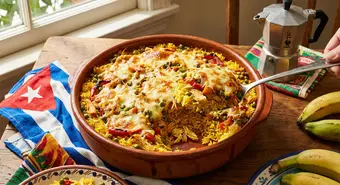
Arroz Imperial: Cuba's Showstopping Layered Rice Casserole
Discover arroz imperial, the Cuban layered rice casserole with chicken, mayo, and melted cheese. History, step-by-step recipe, and tips.
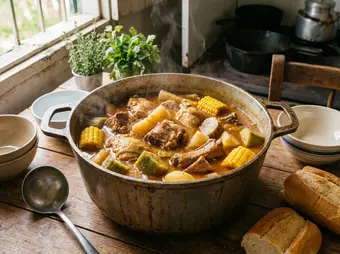
Caldosa Cubana: The Community Soup That Feeds the Block
History, traditional recipe, and secrets of Cuban caldosa, the hearty stew that unites neighbors at every celebration on the island.
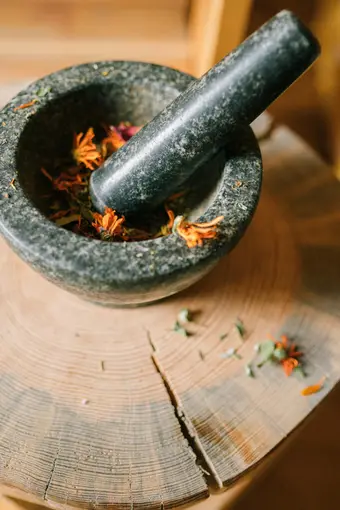
Cuban Medicinal Plants: A Guide to Cuba's Green Medicine Tradition
Discover Cuba's most popular medicinal plants, from aloe vera to lemongrass. History, uses, and traditions of Cuban green medicine.