Cuban Lechón Asado: The King of Feasts and Family Traditions
Discover the history, techniques, and secrets of Cuban roast pork, the essential dish for Christmas Eve and family celebrations.
4 min read
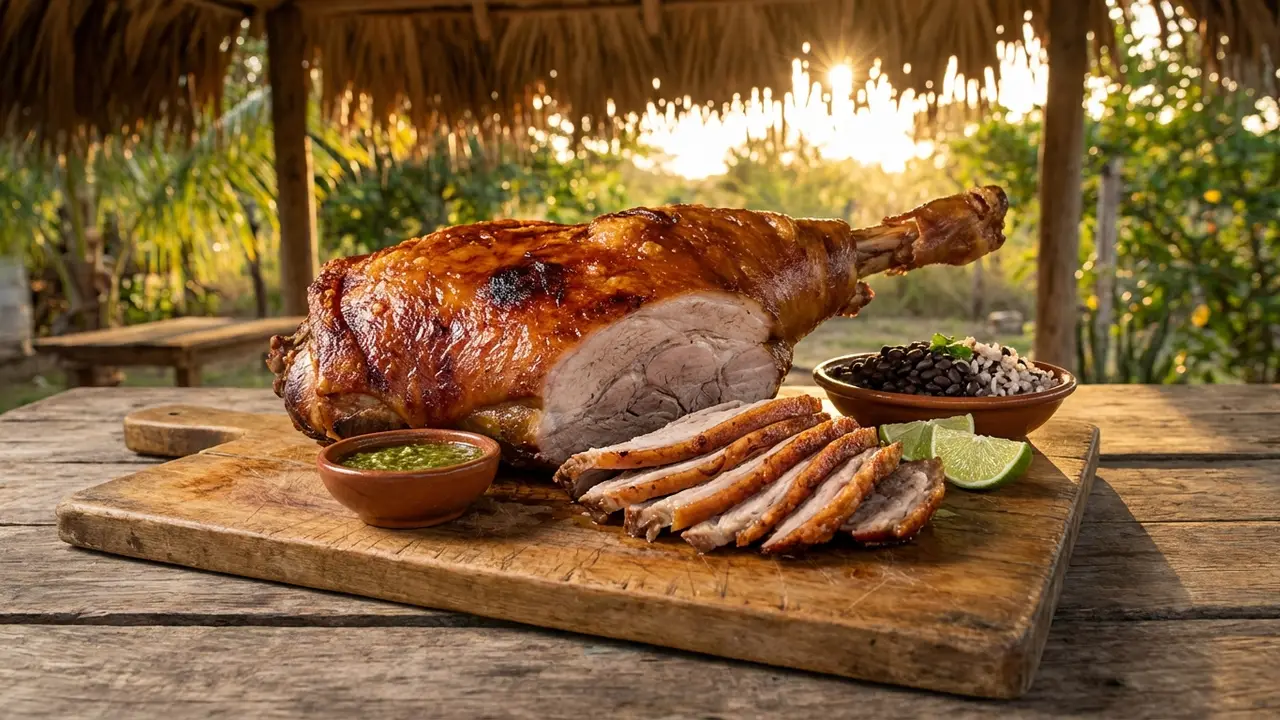
Illustration: Aroma de Cuba (AI)
In Cuba, few things announce celebration quite like the aroma of lechón asado wafting through the neighborhood. It’s the undisputed king of the Christmas table, the star of memorable birthdays, and the guest of honor at any self-respecting fiesta.
A tradition from Spain, perfected in Cuba
The custom of roasting whole pigs arrived with Spanish conquistadors, but in Cuba it evolved into something uniquely Creole. Early colonists brought Iberian pigs that adapted to the tropical climate, and over time, Cubans developed their own techniques that would define the island’s flavor.
Culinary historian Ciro Bianchi Ross documents how by the 19th century, lechón was already central to Cuban country festivals. The guajiros (peasant farmers) of Pinar del Río and the central provinces perfected the art of roasting “en púa”—a pig skewered on a wooden pole over charcoal embers.
Cuban Christmas doesn’t exist without lechón
For Cuban families, Christmas has a specific aroma: garlic, sour orange, and pork slowly turning golden. Preparing the Nochebuena (Christmas Eve) lechón begins days before, when the animal is ordered and the mojo criollo marinade is prepared.
Tradition dictates that the men of the family take turns watching the fire through the early morning hours of December 24th. It’s a ritual of camaraderie, strong coffee, and dominoes while the pig slowly transforms into the family feast.
Cooking methods: from spit to caja china
Spit-roasting (traditional)
The ancestral method requires:
- A sturdy pole (traditionally guayaba or marabú wood)
- A pit in the ground or brick structure
- Hardwood charcoal
- Patience: 8 to 12 hours
The pig rotates slowly over the embers, constantly basting in its own fat. This method produces incredibly juicy meat, though it demands constant attention.
The caja china
Invented by Cubans in Miami in the 1980s, La Caja China (The Chinese Box) revolutionized lechón preparation. The design places charcoal on top of a metal lid, with heat radiating down to cook the pig below.
Advantages:
- Reduces cooking time to 4-6 hours
- Produces extremely crispy skin
- Easier temperature control
- Lower risk of flare-ups
Today, the caja china has become a Cuban cultural export, used by pitmasters around the world.
The mojo: the soul of the flavor
No Cuban lechón is complete without its bath of mojo criollo. This marinade of garlic, cumin, oregano, sour orange, and olive oil penetrates the meat for at least 24 hours before cooking.
Basic mojo recipe for lechón
Ingredients:
- 20 garlic cloves, crushed
- 1 cup sour orange juice (or orange and lime mixture)
- 1/2 cup olive oil
- 2 tablespoons ground cumin
- 1 tablespoon dried oregano
- Coarse salt to taste
Deep incisions are made throughout the meat, and the mojo is injected with a large syringe. The rest is poured over the pig, massaging it to penetrate every crevice.
Essential accompaniments
Lechón asado never comes alone. The Cuban table surrounds it with:
- Moros y cristianos: rice with black beans
- Yuca con mojo: the perfect side dish
- Tostones: twice-fried green plantains
- Avocado salad: refreshing creaminess
- Cuban bread: for next-day sandwiches
The cuero: crispy obsession
For many Cubans, the cuero (crispy pork skin) is the real prize. Achieving that perfect texture—golden, bubbling, cracking when you bite—is the mark of an expert pitmaster.
Tips for perfect cuero:
- Dry the skin completely before roasting
- Rub with coarse salt and let it rest
- Apply high direct heat in the final hour
- Don’t pierce the skin too early
- Some masters rub pork lard for extra shine
From Cuban countryside to Miami: the tradition continues
Today, lechón asado remains the heart of Cuban Christmas, both on the island and in the diaspora. In Miami, cities like Hialeah smell of roasting pork from mid-December onwards, with backyards transformed into impromptu roasting stations.
Restaurants like Versailles on Calle Ocho offer lechón year-round, but it’s on Nochebuena when families return to the tradition of making it at home—a tangible connection to previous generations and to the island many left behind.
A dish that tells stories
Every lechón asado carries stories with it: of the grandfather who taught the art of fire, of past Nochebuenas, of Cuba remembered and Cuba imagined. It’s more than food—it’s collective memory served on a platter, with crispy skin and homemade mojo.
Have you tried Cuban lechón asado? Share your experience in the comments.
Frequently asked questions
Why is lechón asado so important in Cuban culture?
What is a caja china and how does it work?
How long does it take to roast a whole pig?
What's the secret to crispy pork skin?
How we got here
Background
The first thing we published on this topic.
Cuban Coffee Harvest Promises to Be the Best in Decades
The mountains of the Sierra Maestra produce an exceptional harvest thanks to new agricultural techniques.
Ropa Vieja: The Soul of Cuban Cuisine on a Plate
Discover the history, secrets, and traditional recipe of ropa vieja, Cuba's national dish that has conquered palates around the world.
Related articles
Cuban Sodas: Tropicola, Iron Beer and Bottled Nostalgia
Discover the traditional Cuban soft drinks that shaped generations. History, flavors, and where to find them today.
Ropa Vieja: Cuba's National Dish with Centuries of History
Discover the history and recipe of Cuban ropa vieja, the national dish of shredded beef in sofrito that conquered the Caribbean.
Ajiaco Cubano: The Soup That Defines Cuban Identity
History, ingredients, and recipe for Cuban ajiaco—the dish Fernando Ortiz called the perfect symbol of Cuban mestizo culture.
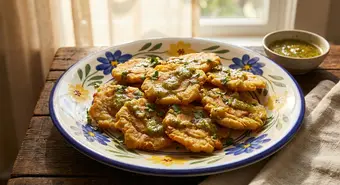
Cuban Tostones: The Art of Twice-Fried Green Plantains
Learn to make perfect tostones, the crispy side dish that defines the Cuban table. History, technique, and secrets.
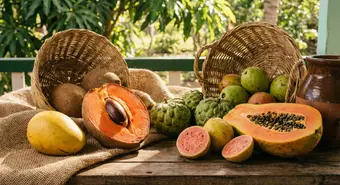
Cuban Tropical Fruits: Mamey, Mango, Guava and Caribbean Flavors
Discover Cuba's tropical fruits: mamey sapote, Cuban mango, guava, sugar apple and papaya. Complete guide to Caribbean flavors.

Cuban Beers: Cristal, Bucanero and Cuba's Brewing Tradition
Discover the history of Cuban beers, from La Tropical in 1888 to Cristal and Bucanero today. Brands, flavors, and where to find them.