Cuban Guava Pastelitos: The Flaky Pastry That Stole Miami's Heart
History, recipe, and secrets of Cuban pastelitos de guayaba y queso. From golden puff pastry to guava filling, Cuba's most addictive sweet bite.
5 min read
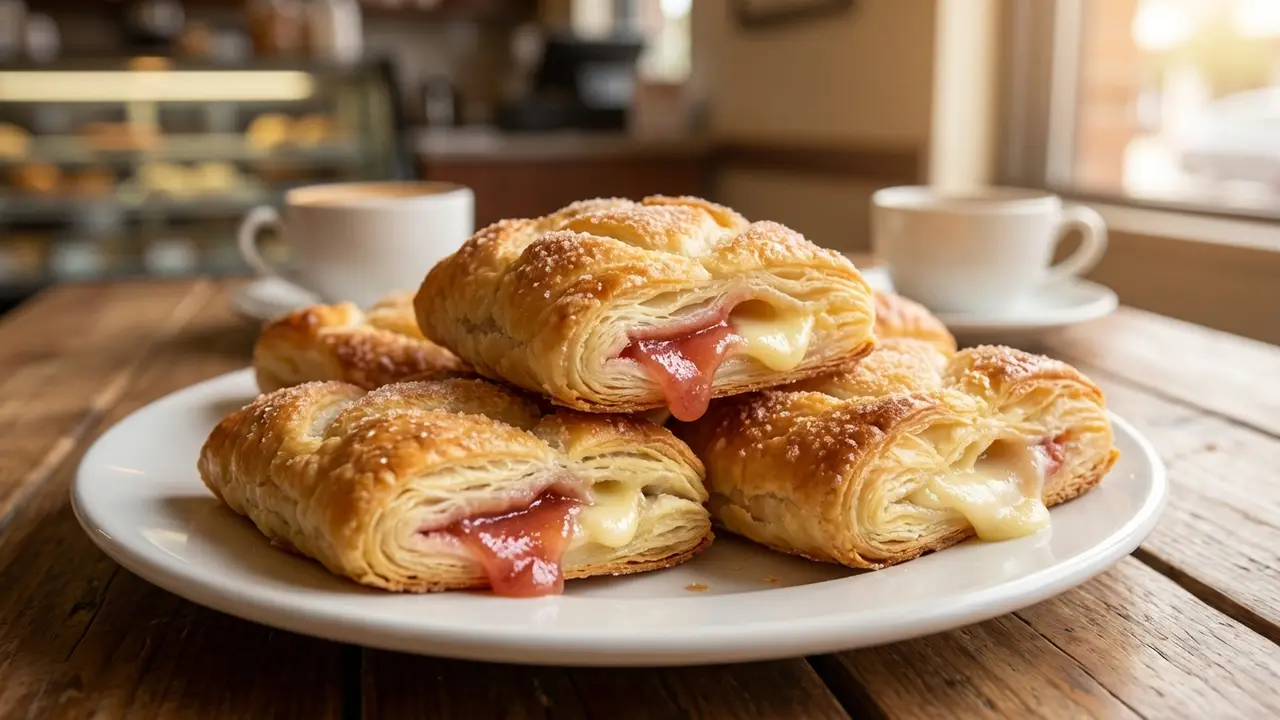
Illustration: Aroma de Cuba (AI)
The pastry that defines Cuban baking
If there’s one sweet that captures the essence of Cuban baking in a single bite, it’s the pastelito de guayaba y queso. Golden, flaky puff pastry on the outside, filled with sweet guava paste and smooth cream cheese on the inside — it’s the perfect collision of textures and flavors that has won hearts from Havana to Miami.
At every ventanita (walk-up coffee window) on Calle Ocho, in every bakery in Hialeah, and in the kitchens of Cuban grandmothers worldwide, the pastelito reigns supreme. It’s not just dessert — it’s breakfast, afternoon snack, comfort food, and celebration all in one.
Origins: sugar mills and Creole kitchens
The history of the Cuban pastelito has several competing theories. One suggests that enslaved workers in Cuba’s sugar mills created the first versions, taking advantage of abundant wild guava and limited ingredients. Another points to Cuban household kitchens in the 19th century, where ladies of the house prepared small pastries as appetizers and desserts.
What we know for certain is that the pastelito evolved under the influence of Spanish pastry-making traditions, which brought hojaldre (puff pastry) techniques to Cuba. The guava fruit (Psidium guajava), abundant across the island, became the perfect filling — sweet, aromatic, and an irresistible shade of pink.
Guava: queen of Cuban fruits
The guava holds a special place in Cuban culture. It grows wild across the island, and its intense aroma can be detected from meters away. For pastelitos, guava is processed into a firm paste — a concentrated preparation where the fruit is cooked with sugar until it forms a dense, dark-red block.
This guava paste, combined with cream cheese, creates what Cubans call “timba” — that addictive sweet-and-salty combination that is pure Caribbean flavor.
Recipe: Cuban guava and cheese pastelitos
Ingredients (makes 12 pastelitos)
- 2 sheets puff pastry, thawed
- 8 oz guava paste (firm block, Goya brand or similar)
- 4 oz cream cheese, at room temperature
- 1 egg, beaten (for egg wash)
- 2 tablespoons sugar for sprinkling
- 1 tablespoon water
Instructions
-
Preheat oven to 400°F (200°C). Line a baking sheet with parchment paper.
-
Cut the guava paste into 12 rectangular strips about ½ inch thick. Cut cream cheese into similar portions.
-
Roll out the puff pastry on a lightly floured surface. Cut each sheet into 6 equal squares (12 total).
-
Fill: Place a strip of guava paste and a portion of cream cheese in the center of each square.
-
Seal: Fold the pastry into a triangle or rectangle. Press edges firmly with a fork to seal. Cut 2-3 small slits on top for steam to escape.
-
Brush with egg wash (egg beaten with water). Sprinkle sugar on top.
-
Bake 18-22 minutes until golden and puffed. Cool 5 minutes before serving.
The secret to perfect puff pastry
The key is keeping everything cold until baking. Puff pastry rises because the butter layers between the dough melt in the oven, creating steam that separates the layers. If the butter melts early (because the dough is warm), you lose that signature flaky texture.
Pastelitos in exile: Miami as the capital
After the 1959 Revolution, hundreds of thousands of Cubans arrived in Miami carrying their recipes and culinary traditions. Pastelitos became a symbol of identity in exile. Iconic bakeries like Islas Canarias in Little Havana and Vicky Bakery in Hialeah built empires around these small pastries.
During the Special Period in the 1990s, when Cuba faced severe food shortages after the fall of the Soviet Union, pastelitos virtually disappeared from the island. Butter and flour for puff pastry were unattainable luxuries. Meanwhile, in Miami, pastelitos thrived — a bittersweet reminder of what had been lost.
Beyond guava: Cuban variations
While guava and cheese is the undisputed king, Cuban tradition offers other delicious variations:
- Coconut pastelito: Filled with shredded coconut in syrup, reminiscent of boniatillo in its comforting sweetness
- Meat pastelito: A savory version with ground beef picadillo, olives, and capers
- Guava-only pastelito: No cheese, for the purists
- Quesito: Just sweetened cream cheese, a favorite among children
The perfect pairing
Guava pastelitos are practically begging for a strong Cuban coffee. The sweet espumita of a cafecito complements the guava’s tartness beautifully. It’s the quintessential Cuban breakfast — quick, sweet, and energizing.
For a more elaborate afternoon treat, pair them with a Cuban flan and a cortadito. And if you want to explore more traditional Cuban sweets, check out our Cuban buñuelos.
One pastry, a thousand memories
Guava pastelitos are more than baking. They’re the after-school snack, the Sunday breakfast, the box you bring when visiting someone’s home. They’re the flavor that Cubans in exile seek to feel at home, and the one that those who never left Cuba remember from better times.
In every flaky layer, in every bite of guava and cheese, there’s a story of resilience, adaptation, and love for what’s ours. Because in the end, Cubans make art even with the simplest ingredients.
Do you have your own family version of pastelitos? Every Cuban family guards their secrets — the exact thickness of the guava, the type of cheese, the precise oven timing. That’s the magic of Creole cooking.
Frequently asked questions
What's the difference between a Cuban pastelito and an empanada?
Can you make guava pastelitos without cream cheese?
Where can I buy guava paste for pastelitos?
How long do guava pastelitos stay fresh?
How we got here
Background
The first thing we published on this topic.
Cuban Coffee Harvest Promises to Be the Best in Decades
The mountains of the Sierra Maestra produce an exceptional harvest thanks to new agricultural techniques.
Ropa Vieja: The Soul of Cuban Cuisine on a Plate
Discover the history, secrets, and traditional recipe of ropa vieja, Cuba's national dish that has conquered palates around the world.
Related articles
Essential Cuban Condiments: Sour Orange, Bijol, and Adobo Criollo
Complete guide to the Cuban condiments that define our cuisine: sour orange, bijol, adobo criollo, cumin, and oregano.
Cuban Organic Honey: The Caribbean's Golden Treasure Conquering Europe
Cuba produces 100% organic honey without pesticides. Discover why Cuban honey is conquering European markets and its beekeeping history.
Picadillo a la Habanera: Cuba's Most Beloved Everyday Dish
The history, traditional recipe, and secrets of Cuban picadillo — the humble ground beef dish that conquered every table in Cuba.
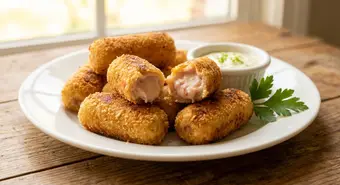
Cuban Ham Croquetas: From Spain to Miami, the Perfect Bite
History, traditional recipe, and secrets of Cuban croquetas de jamón — the crispy snack that traveled from France to Spain and conquered Cuba.

The Cuban Sillón: History & Tradition of Cuba's Rocking Chair
Guide to the Cuban sillón, the rocking chair that defines Caribbean life. History, types, craftsmen, superstitions, and where to buy Cuban rocking chairs.
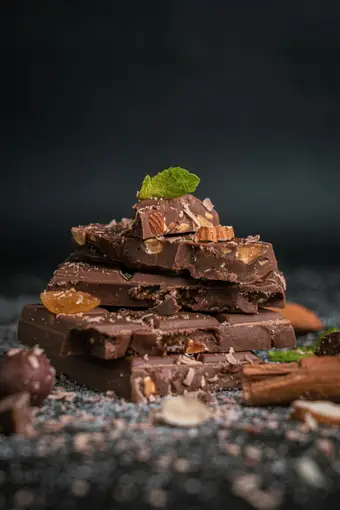
Cuban Chocolate and Baracoa Cacao: The Caribbean's Best-Kept Secret
Discover Baracoa cacao, the heart of Cuban chocolate. History, international brands, and the new Baracocoa venture reviving Cuba's chocolate industry.