Cuban Chocolate and Baracoa Cacao: The Caribbean's Best-Kept Secret
Discover Baracoa cacao, the heart of Cuban chocolate. History, international brands, and the new Baracocoa venture reviving Cuba's chocolate industry.
4 min read
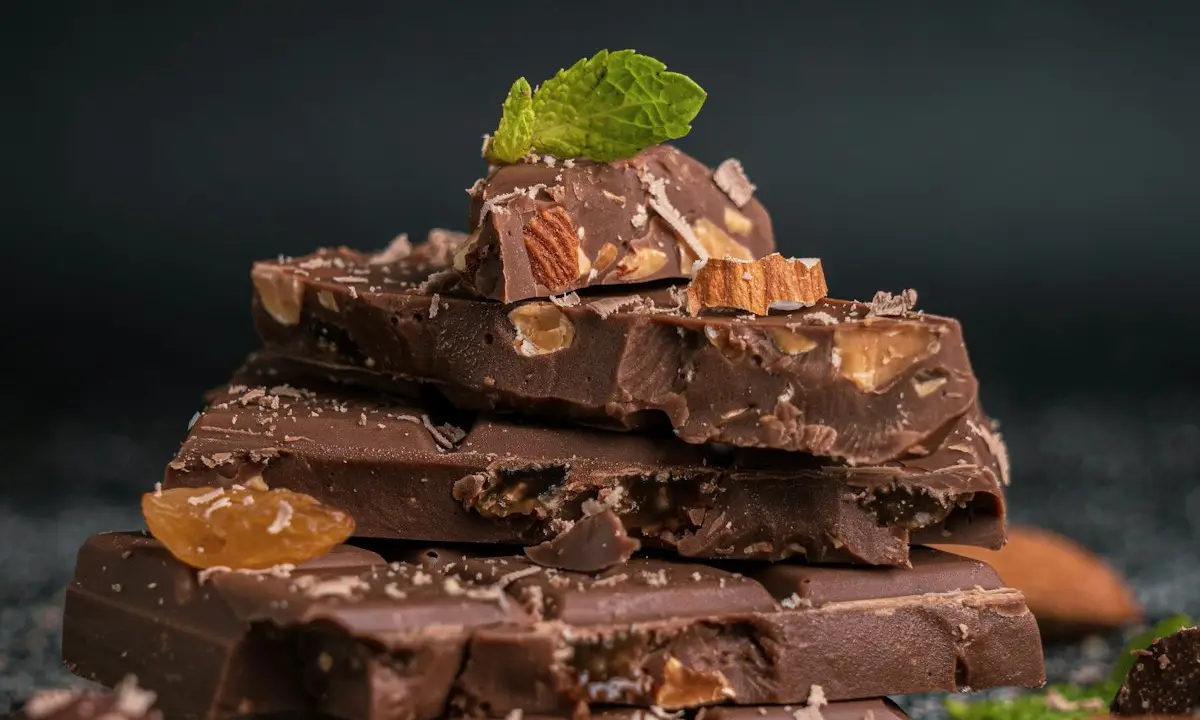
Baracoa Cacao: A Five-Century Heritage
At the eastern tip of Cuba, where the Nipe-Sagua-Baracoa mountains meet the Caribbean Sea, grows one of the world’s most distinctive cacaos. Baracoa, the first city founded in Cuba in 1511, produces nearly 80% of all Cuban cacao in a territory where cacao plantations have been part of the landscape since colonial times.
The predominant variety is Trinitario cacao, a natural hybrid of Criollo and Forastero that delivers a complex flavor profile: notes of rum, wood, caramel, and tropical fruits that chocolatiers worldwide have come to treasure.
A Brief History of Cuban Chocolate
Cuba’s chocolate tradition runs deep. The island’s first chocolate factory, La India, was founded in Santiago de Cuba in the early 20th century. Legendary names followed: La Española, Baguer, La Estrella, and Armada, supplying Cubans with tablets and bonbons for decades.
In the 19th century, Cuban cacao was the primary source for Spanish chocolatiers before being replaced by Guinean cacao. The Baracoa cacao processing factory, founded in honor of Ernesto Che Guevara, has served as the national processing center for decades.
Cuban Cacao Conquers the World
The quality of Baracoa cacao hasn’t gone unnoticed by master chocolatiers. Several prestigious brands produce bean-to-bar chocolate with Cuban cacao:
- Willie’s Cacao (England): a dedicated importer of Baracoa cacao, producing single-origin bars
- Sprüngli (Switzerland): the legendary Swiss house offers truffles, bars, and Neapolitans made with Baracoa cacao
- Pierre Marcolini (Belgium): produces 72% Baracoa cacao tablets described as having “an intense, powerful flavor”
- Exe Chocolate (England): artisanal 71% bars crafted in micro-batches
- Cauma (Spain, Valencia): chocolate with notes of rum, wood, and caramel
Crisis and Rebirth: Baracocoa S.A.
Cuban cacao production has suffered an alarming decline: from 1,100 tons in 2022 to just 380 tons in 2024, with projections of only 150 tons for 2025. Poor state management and modernization delays have hit the sector hard.
But there’s hope. In August 2025, Baracocoa S.A. was established — a joint venture between Cuba’s Alimcor S.A. and Slovakia’s Proxperia, with a $31 million investment. The plan includes:
- Processing 7,000 tons of cacao per year
- Two Italian production lines (Mazzetti brand)
- Production of cacao liquor, tablets, bonbons, and filled chocolates
- Headquarters in Baracoa, serving both domestic and export markets
Chorote and Rumbumba: Baracoa’s Cacao Drinks
Not all Baracoa cacao ends up in bars. Local tradition has its own gems:
- Chorote: a hot drink made from ground cacao paste and fresh coconut milk. It’s Baracoa’s hot chocolate — earthy, rich, and unmistakable.
- Rumbumba: the nighttime version of chorote, enriched with Cuban rum. Perfect for tropical evenings.
These drinks are prepared in Baracoa’s homes and farms, forming an inseparable part of eastern Cuba’s culinary culture.
Where to Try Cuban Chocolate in Baracoa
If you visit the region, these are the must-see stops:
- Casa del Cacao: small museum and café in downtown Baracoa
- Finca El Sendero del Cacao: a visitable plantation with complimentary chorote tasting
- Rancho Toa: excursion that includes visits to local plantations
- Private farms in Yumurí: guided tours where farmers show the full process, from tree to cup
A Future That Tastes Like Chocolate
Cuban cacao stands at a crossroads. Production has fallen, but international interest keeps growing. With the Baracocoa S.A. investment, demand from bean-to-bar chocolatiers, and the genetic richness of Baracoa’s Trinitario cacao, Cuba has all the ingredients to write a new chapter in the world history of chocolate.
As the Baracoa saying goes: “In Baracoa, even the air tastes like chocolate.”
Related articles:
Frequently asked questions
Where is cacao grown in Cuba?
Can you buy Cuban chocolate outside Cuba?
What is Baracocoa S.A.?
What is Cuban chorote?
How we got here
Background
The first thing we published on this topic.
Cuban Coffee Harvest Promises to Be the Best in Decades
The mountains of the Sierra Maestra produce an exceptional harvest thanks to new agricultural techniques.
Habanos: Complete Guide to the Most Prestigious Cuban Cigars
Cohiba, Montecristo, Romeo y Julieta — discover the legendary Cuban cigar brands, how to choose them, and where to buy them.
Related articles
The Cuban Sillón: History & Tradition of Cuba's Rocking Chair
Guide to the Cuban sillón, the rocking chair that defines Caribbean life. History, types, craftsmen, superstitions, and where to buy Cuban rocking chairs.
Cuban Bread: History, Recipe, and the Palmetto Leaf Secret
Discover the history of Cuban bread from Ybor City to your table. Traditional recipe, palmetto leaf technique, and where to find it.
Cuban Casabe: The Ancient Taíno Cassava Bread, UNESCO Heritage
Complete guide to Cuban casabe, the cassava flatbread inherited from the Taínos. History, preparation, UNESCO 2024 recognition, and where to buy.
Cuban Medicinal Plants: A Guide to Cuba's Green Medicine Tradition
Discover Cuba's most popular medicinal plants, from aloe vera to lemongrass. History, uses, and traditions of Cuban green medicine.
The Cuban Guayabera: History, Style & Tropical Elegance
Discover the Cuban guayabera, the Caribbean's most iconic shirt. Its history from Sancti Spíritus, features, how to choose one, and where to buy.
Yarey Hat: Cuba's Iconic Countryside Symbol and National Heritage
Discover the Cuban yarey hat, an intangible national heritage. History, artisanal craft process, origins in Camajuaní, and where to buy one.