Cigars and crafts
56 articles on Cigars and crafts · Updated
Paused
No new coverage since February 17, 2026.
Coverage
Tuesday, February 17, 2026
Monday, February 16, 2026

Sunday, February 15, 2026

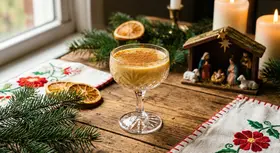
Saturday, February 14, 2026
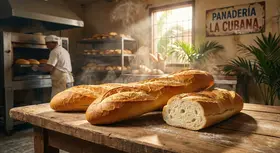
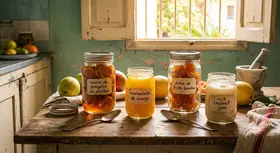
Friday, February 13, 2026
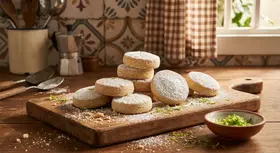
Thursday, February 12, 2026

Frequently asked questions
What is the origin of the word hammock?
The word hammock comes from the Taíno language, spoken by indigenous Caribbean peoples. It derives from 'hamaca,' linked to the maka tree whose bark was used to weave the first hammocks. Christopher Columbus documented it in his journals from his first voyage to Cuba in 1492.
What materials are used in traditional Cuban hammocks?
Traditional Cuban hammocks were woven from henequén (sisal), majagua (sea hibiscus), and cotton fibers. Today they're also made from nylon and polypropylene, though artisans in provinces like Camagüey and Holguín still use natural fiber techniques.
Where can I buy authentic Cuban-style hammocks?
In Cuba, artisan markets like San José in Havana and Trinidad's craft market sell handmade hammocks. Online, Yellow Leaf Hammocks, Amazon, and Etsy offer Caribbean-style hammocks. Miami's Cuban shops on Calle Ocho also carry them.
How do you properly hang a Cuban hammock?
Hang the hammock at about 5 feet high with a 30-degree angle on the ropes. The distance between anchor points should be about 75% of the hammock's total length. This creates the perfect ergonomic curve for comfortable rest.
What fruits are used to make Cuban wines?
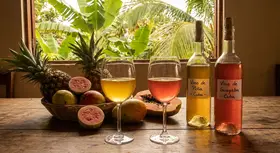
Cuban artisanal wines are made from guava, pineapple, mango, papaya, orange, soursop, cashew fruit, and locally grown grapes. Each fruit produces a unique flavor profile.