Coquitos Acaramelados: Cuba's Most Beloved Coconut Sweet
Discover the history, traditional recipe, and varieties of Cuban caramelized coconut balls — the treat that defined childhood on the island.
5 min read
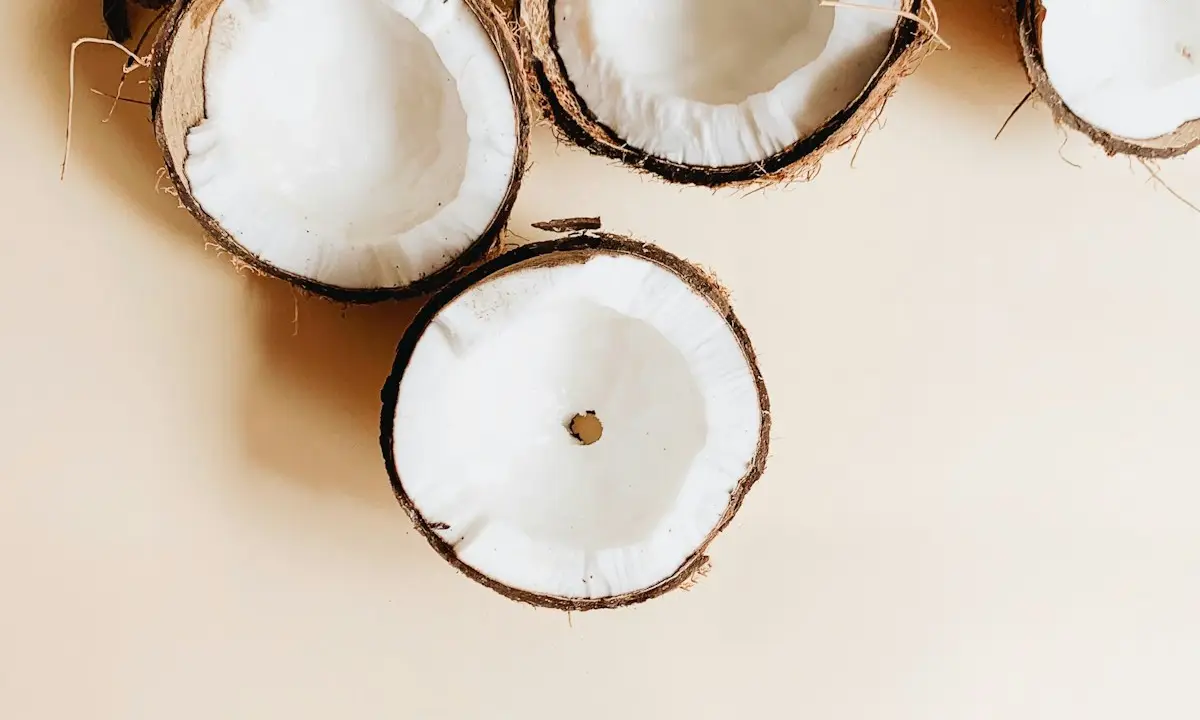
Close your eyes and think about snack time at a Cuban school. Before any other flavor, one arrives: the coquito acaramelado. That little bite, crunchy on the outside, soft within, filling the hallways with the scent of caramel and coconut. It’s not just a sweet — it’s collective memory.
A Sweet Born of Cuban Ingenuity
The coquito acaramelado was born at the perfect intersection of abundance and necessity. Cuba, a Caribbean island surrounded by coconut palms, always had coconut to spare. Sugar, the other pillar of its economy, was equally accessible. The combination was inevitable.
During the 1960s, ’70s, and ’80s, many Cuban women — the celebrated dulceras (sweet makers) — prepared coquitos at home to sell at schools, on neighborhood corners, and during festivals. It was a family business requiring no oven, no constant electricity, and no imported ingredients. Just coconut, sugar, and fire.
The result: a democratic sweet, affordable for every pocket, that became inseparable from Cuban food culture.
Coconut: The King of Cuba’s Caribbean Coast
The coconut palm (Cocos nucifera) likely arrived in the Caribbean from the Pacific, carried by ocean currents and later cultivated by Spanish and Portuguese colonizers. In Cuba, it found paradise: the eastern region — Baracoa, Guantánamo, Santiago — is especially rich in coconut palms.
Coconut gave Cuba far more than sweets:
- Coconut water — natural hydration
- Coconut milk — base for soups and rice dishes
- Coconut oil — cooking and cosmetics
- Cucurucho de Baracoa — coconut mixed with honey and fruits wrapped in palm leaf
- Coquito acaramelado — the king of street sweets
The coconut palm is so important in eastern Cuba that Baracoa is known as “the coconut city”, where the fruit appears in nearly every dish on the local menu.
The Traditional Recipe: Just Two Ingredients
The beauty of the coquito lies in its absolute simplicity:
Ingredients
- 2 dried coconuts (freshly grated, approximately 4 cups)
- 2 cups white sugar
- ½ cup water
Instructions
-
Grate the fresh coconut: Crack open the coconuts, extract the flesh, and grate it finely. This step is crucial — fresh coconut delivers an incomparable flavor compared to bagged desiccated coconut.
-
Make the caramel: In a heavy-bottomed pan over medium heat, dissolve the sugar in water without stirring. Let it turn deep golden (caramel stage, about 340°F/170°C).
-
Add the coconut: Pour the grated coconut into the caramel and mix rapidly with a wooden spoon. Cook 10-15 minutes until the mixture pulls away from the pan.
-
Shape the coquitos: With lightly greased hands, take portions of the hot mixture and form balls or mounds. Place on wax paper.
-
Let them cool: Coquitos harden as they cool, creating that signature crunchy exterior with a soft interior that makes them irresistible.
Cuban grandmother tip: The secret is hitting the exact caramel point. Too light and the coquito stays soft; too dark and it turns bitter. The color should be deep amber — like aged rum.
Variations That Win Hearts
The classic coquito has inspired multiple versions:
Coquito Quemado (Burnt Coquito)
The caramel is pushed to the limit — nearly black — for an intense, slightly bitter flavor that contrasts with the coconut’s sweetness. It’s the adult’s version of choice.
Cocada with Condensed Milk
Creamier and softer, this variant uses condensed milk instead of caramel. It’s briefly baked to brown the surface. Popular across all of Latin America.
Chocolate Coquito
A modern twist adding cocoa powder or Cuban chocolate from Baracoa to the mix. The coconut-chocolate combination is simply irresistible.
Cucurucho de Baracoa
The coquito’s eastern cousin: shredded coconut mixed with honey, guava, orange, or pineapple, wrapped in a cone of royal palm leaf (yagua). It’s a Gastronomic Heritage item of the region and can only be found authentic in Baracoa and surroundings.
Coquitos in the Diaspora
In Miami, coquitos acaramelados are fixtures at the Calle Ocho Festival, where street vendors offer them alongside sugarcane juice and peanut nougat. In Union City, Tampa, and other cities with Cuban communities, artisan sweet shops keep the tradition alive.
Where to Find Them
| Source | Type | Link |
|---|---|---|
| Cuban Food Market | Online | cubanfoodmarket.com |
| Amazon | Various | Search “Cuban coconut candy” |
| Etsy | Artisan | Search “coquitos cubanos” |
| Miami bodegas | In-person | Little Havana, Hialeah, Westchester |
Nutritional Value
Despite being a sweet, coquitos carry some benefits from coconut:
- Dietary fiber: shredded coconut provides 7g of fiber per 100g
- Healthy fats: lauric acid (MCT), linked to metabolic benefits
- Minerals: manganese, copper, selenium
- Gluten-free: naturally safe for celiacs
- Dairy-free: the classic version is vegan
A serving of 2-3 coquitos (about 40g) provides approximately 180 calories. Sweet, yes, but in moderation, a guilt-free pleasure.
More Than a Sweet: A Living Tradition
The coquito acaramelado is one of those things that connects Cubans no matter where they are. It’s the sweet you bought with your school allowance, the one your grandmother made on Sundays, the one that reminds you that the best Cuban cuisine doesn’t need expensive ingredients or complicated techniques.
Just coconut, sugar, and the warmth of a Cuban kitchen.
Do you have a family coquito recipe? Do you prefer them creamy or crunchy? Share in the comments and pass this article along to anyone who needs a bite of Cuban nostalgia. 🥥
Frequently asked questions
What are Cuban coquitos acaramelados?
How many ingredients does the traditional recipe need?
What's the difference between coquitos and cocada?
Where can I buy Cuban coconut sweets in the United States?
How we got here
Background
The first thing we published on this topic.
Cuban Coffee Harvest Promises to Be the Best in Decades
The mountains of the Sierra Maestra produce an exceptional harvest thanks to new agricultural techniques.
Ropa Vieja: The Soul of Cuban Cuisine on a Plate
Discover the history, secrets, and traditional recipe of ropa vieja, Cuba's national dish that has conquered palates around the world.
Related articles
Cuban Casabe: The Ancient Taíno Cassava Bread, UNESCO Heritage
Complete guide to Cuban casabe, the cassava flatbread inherited from the Taínos. History, preparation, UNESCO 2024 recognition, and where to buy.
Cuban Bread: History, Recipe, and the Palmetto Leaf Secret
Discover the history of Cuban bread from Ybor City to your table. Traditional recipe, palmetto leaf technique, and where to find it.
Batido de Mamey: The Cuban Milkshake That Tastes Like the Tropics
Discover the Cuban batido de mamey — its history, traditional recipe, and why this tropical fruit milkshake is the soul of Cuban fruterías.
Natilla Cubana: The Creamy Cuban Custard That Tastes Like Home
Discover natilla cubana, the cinnamon-infused custard that defines Cuban comfort. History, step-by-step recipe, and abuela's secrets.
Cuban Chocolate and Baracoa Cacao: The Caribbean's Best-Kept Secret
Discover Baracoa cacao, the heart of Cuban chocolate. History, international brands, and the new Baracocoa venture reviving Cuba's chocolate industry.
Cuban Shrimp Enchilado: A Creole Heritage from the Caribbean
Recipe and history of Cuban enchilado de camarones, a Creole stew of Haitian origin with tomato sauce, wine, and spices.