Crema de Vie: Cuba's Creamy Holiday Liqueur and How to Make It
Discover crema de vie, Cuba's beloved eggnog made with rum, egg yolks, and cinnamon. Traditional recipe, history, and where to buy it in the US.
5 min read
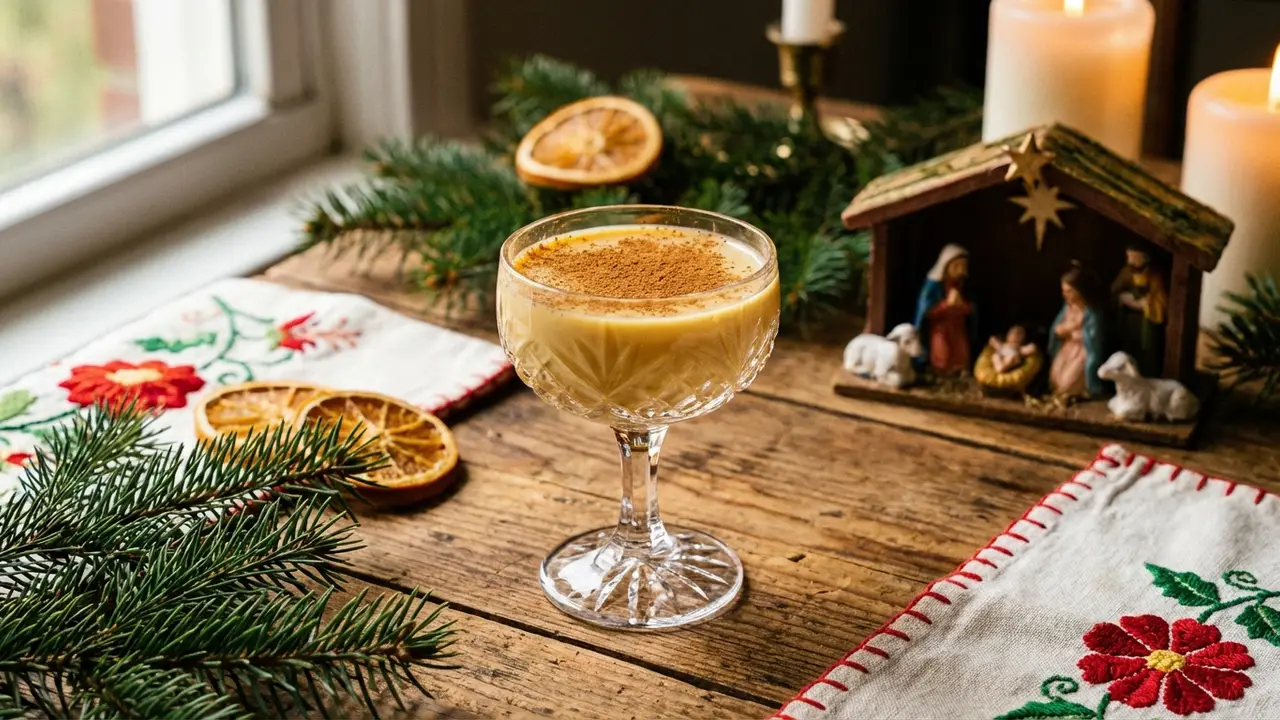
Illustration: Aroma de Cuba (AI)
The Cream of Life: A Liqueur with Cuban Soul
Some flavors are a calendar. In Cuba, when someone uncorks a bottle of crema de vie, everyone knows the holidays have arrived. This creamy punch — thick, sweet, perfumed with cinnamon and Cuban rum — is as essential to Cuban Christmas Eve as roast pork and Benny Moré playing in the background.
Its name, a curious mix of Spanish and French meaning “cream of life,” hints at its colonial origins. But the recipe we know today is purely Cuban: generous with egg yolks, sweetened with condensed milk, scented with vanilla, and elevated with a hearty pour of rum.
History: From Colonial Parlors to Every Cuban Home
The tradition of cream punches arrived in the Caribbean with European colonizers, but Cuba transformed it into something entirely its own. During the 19th century, Creole families in Havana prepared homemade liqueurs for holiday gatherings, using ingredients available on the island: sugarcane converted into rum, eggs from backyard chickens, and the omnipresent condensed milk that arrived in tins.
Unlike Anglo-Saxon eggnog — served cold and light — Cuban crema de vie was gently cooked in a double boiler to thicken the yolks, creating a texture closer to Italian zabaglione than a holiday punch.
After the 1959 exodus, the recipe traveled to Miami, New Jersey, Madrid, and Mexico City, where Cuban families kept it alive as a ritual of identity. Today, at any Christmas Eve gathering in Hialeah or Westchester, there’s at least one ribbon-tied bottle waiting in the fridge.
Traditional Cuban Recipe
Ingredients
- 6 egg yolks
- 1 can sweetened condensed milk (14 oz / 397 g)
- 1 can evaporated milk (12 oz / 354 ml)
- 1 cup Cuban rum (Havana Club or Santiago de Cuba)
- 1 teaspoon vanilla extract
- 1 cinnamon stick
- 1 cup sugar
- 1 cup water
- Pinch of salt
Instructions
-
Simple syrup: Boil sugar with water and the cinnamon stick until you get a light syrup. Cool completely and remove the cinnamon.
-
Yolks: Beat the egg yolks with salt until they double in volume and become creamy and pale.
-
Combine: Slowly incorporate the cooled syrup into the yolks while continuously beating. Add the condensed milk, evaporated milk, and vanilla.
-
Rum: Add the rum last and stir gently.
-
Rest: Bottle and refrigerate at least 24 hours before serving. The flavors integrate over time.
Abuela’s tip: Some families cook the mixture in a double boiler for 10-15 minutes before adding rum. This eliminates any risk from raw eggs and produces a silkier texture.
The Art of Presentation
Crema de vie isn’t served in just any glass. Tradition calls for small liqueur glasses — cordial or sherry glasses — because it’s rich and potent. During Cuban celebrations, it’s distributed from house to house, bottled in decorated glass jars with ribbons and handwritten labels.
Every family swears their recipe is the best. Variations include:
- Extra rum: The “strong” versions use up to 2 cups
- Ground cinnamon: Dusted on top as garnish
- Eggless: Modern versions use only milks and rum
- With Cuban coffee: A shot of espresso transforms the flavor
Where to Find Crema de Vie
In Cuba
Homemade crema de vie remains the norm. During the Christmas season (since the government re-authorized Christmas in 1998), street vendors sell it in recycled bottles on the streets of Havana.
In the United States
- Ponche Crema de Vie: Bottled version available at Latin liquor stores
- Cuban markets in Miami: Sedano’s, Presidente Supermarkets, and Calle Ocho shops
- Cuban bakeries: Many prepare their own version in December
- Amazon and online stores: Search “Cuban cream liqueur” or “crema de vie”
Craft Producers
The craft liqueur boom has brought new bottled versions of crema de vie, especially in South Florida. Small Cuban-American producers make it with organic ingredients and premium rums.
Beyond Christmas Eve
While crema de vie is synonymous with December, Cubans enjoy it year-round as:
- A digestif after a heavy meal
- A dessert ingredient: Drizzled over caramelized coconut bites or flan
- A cocktail base: Mixed with espresso for a “Cuban Mudslide”
- A gift: A decorated homemade bottle makes the perfect present
A Sip of Memory
Crema de vie isn’t just a drink. It’s a liquid time capsule. Every sip connects Cubans — whether in Havana, Miami, or Madrid — to childhood Christmas Eves, to grandmother beating egg yolks in the kitchen, to that first tiny glass you were allowed to taste as a child.
In a world of industrial liqueurs and trendy cocktails, crema de vie remains gloriously homemade, gloriously Cuban. The cream of life, literally.
Do you have your own family crema de vie recipe? Every Cuban family guards theirs like a treasure. The magic is in the details: the exact consistency of the syrup, the preferred rum brand, that secret ingredient grandmother never fully revealed.
Frequently asked questions
What is crema de vie?
How long does homemade crema de vie last?
Where can I buy crema de vie in the United States?
What's the difference between crema de vie and eggnog?
How we got here
Background
The first thing we published on this topic.
Cuban Coffee Harvest Promises to Be the Best in Decades
The mountains of the Sierra Maestra produce an exceptional harvest thanks to new agricultural techniques.
Habanos: Complete Guide to the Most Prestigious Cuban Cigars
Cohiba, Montecristo, Romeo y Julieta — discover the legendary Cuban cigar brands, how to choose them, and where to buy them.
Related articles
Cuban Organic Honey: The Caribbean's Golden Treasure Conquering Europe
Cuba produces 100% organic honey without pesticides. Discover why Cuban honey is conquering European markets and its beekeeping history.
Cuban Bread: History, Recipe, and the Palmetto Leaf Secret
Discover the history of Cuban bread from Ybor City to your table. Traditional recipe, palmetto leaf technique, and where to find it.
Baracoa Chocolate: Cuba's Best-Kept Sweet Secret
Baracoa produces 75% of Cuban cacao. Discover the history, farms, and delicious chorote of this Caribbean chocolate capital.
Cuban Rum: Complete Guide to Brands, History, and How to Enjoy It
Discover the world of Cuban rum: from Havana Club to Santiago de Cuba. History, legendary brands, aging types, and secrets to tasting it like an expert.
Guayabita del Pinar: Cuba's Most Exclusive Artisanal Liqueur
Discover Guayabita del Pinar, the unique Cuban liqueur made from wild mini guavas. History, varieties, tasting tips, and where to find it.
Cuban Carne con Papas: The Humble Stew That Fed an Entire Island
Traditional Cuban beef and potato stew recipe. History, Nitza Villapol's classic version, and secrets to perfect carne con papas every time.