Cuban Coffee: Complete Guide to Brands, Types & Preparation
Discover the best Cuban coffee brands, preparation styles, and the coffee culture that defines Cuba. Cubita, Serrano, Turquino and more.
4 min read

The cup that moves Cuba
In Cuba, coffee isn’t just a drink — it’s a ritual, a social currency, and the fuel that powers eleven million people every morning. From the mountains of the Sierra Maestra to the ventanitas of Miami, Cuban coffee is one of the island’s most iconic products.
The story begins in 1748, when José Antonio Gelabert brought the first coffee plant from Santo Domingo. By the 19th century, Cuba was one of the world’s largest coffee exporters, with plantations covering the mountains of Oriente, Escambray, and the Sierra del Rosario in Pinar del Río.
Today, while production has decreased significantly, Cuban coffee maintains an international reputation for its intense flavor, robust body, and unmistakable aroma.
The major Cuban coffee brands
Cubita — “The coffee of Cuba”
Cubita is the flagship brand. Its 100% Arabica beans come from Cuba’s eastern mountains and are roasted in the Cuban tradition: dark, intense, with notes of chocolate and tobacco. It’s the coffee you’ll find in Havana’s hotels and Cuba’s most exported brand.
Serrano
Café Serrano comes from the heights of the Sierra Maestra, grown between 800 and 1,200 meters of altitude. It’s arguably the most balanced Cuban coffee: strong but not aggressive, with medium acidity and a clean finish. Available as whole bean and ground.
Turquino Montanés
Named after Pico Turquino (1,974 meters, Cuba’s highest point), this coffee grows in the island’s most elevated plantations. 100% Arabica, dark roasted, with a flavor profile that combines intensity with subtlety. The connoisseur’s choice.
Other notable brands
- Guantanamera — Eastern region coffee, accessible and robust
- Morena — Popular blend within Cuba
- La Indiana — Emerging brand with select beans
- Cohiba Atmosphere — Premium line associated with the cigar brand
- Montecristo Delegend — Another luxury tobacco-coffee collaboration
Types of Cuban coffee: the essential vocabulary
Cafecito (Café Cubano)
The classic. An espresso shot prepared with the espumita technique: the first drops of coffee are mixed with demerara sugar and whipped vigorously until they form a thick, golden cream. Then the rest of the espresso is poured on top. The result is intense, sweet, and addictive.
Colada
The social version of the cafecito. It’s exactly the same preparation but in a large quantity (about 4-6 shots), served in a styrofoam cup with small plastic cups for sharing. In Miami, ordering a colada at the ventanita is a sacred daily ritual.
Cortadito
Cafecito with a splash of hot evaporated milk. It’s not a Spanish cortado — the evaporated milk gives it a creamier, sweeter texture. The afternoon favorite.
Café con leche
Strong coffee mixed with hot milk in generous proportions. It’s the quintessential Cuban breakfast, especially paired with buttered toast.
How to make cafecito cubano at home
You’ll need:
- Moka pot (the classic Italian stovetop maker, called “greca” in Cuba)
- Finely ground Cuban coffee (Cubita, Serrano, or Turquino)
- Demerara or turbinado sugar
- A small cup and a spoon
The method:
- Fill the moka pot with water up to the valve and add coffee to the filter
- Put 2-3 teaspoons of sugar in a cup
- When the first drops of coffee come out, pour them over the sugar
- Whip vigorously with the spoon to create the espumita (it should turn golden and thick)
- Let the rest of the coffee finish brewing
- Pour the coffee over the espumita
- Serve in small cups and share
The secret is in the espumita. If it’s too pale, you need more energy when whipping. If it’s too dark, you used too much coffee in the initial step.
Cuban coffee in the diaspora
In Miami, Cuban coffee is an institution. The ventanitas on Calle Ocho, Versailles Restaurant, and every corner of Hialeah dispense coladas all day long. It’s no exaggeration to say that the cafecito is the social glue of the Cuban-American community.
In Union City, New Jersey, Tampa, and every city with a Cuban presence, the tradition lives on. Brands like Bustelo and Pilon — while not technically Cuban — were born from the Cuban coffee tradition and dominate the US Latin market.
Where to buy authentic Cuban coffee
- CubaDirecto — Wide selection of Cuban brands with international shipping
- CaymanSauce — Cubita, Serrano, Turquino and more
- Cuba Coffee UK — Cuban coffee specialists in Europe
- Latin supermarkets in Miami, New York, and New Jersey
Cuban coffee isn’t drunk — it’s shared. Every colada is an invitation to conversation, every cafecito an act of cultural resistance. From the Sierra Maestra mountains to your kitchen, the tradition lives on.
Have you tried any of these brands? Tell us your favorite.
Related:
Frequently asked questions
What is the best Cuban coffee brand?
What's the difference between cafecito, colada, and cortadito?
Where can I buy authentic Cuban coffee outside Cuba?
Why is Cuban coffee so sweet?
How we got here
Background
The first thing we published on this topic.
Cuban Coffee Harvest Promises to Be the Best in Decades
The mountains of the Sierra Maestra produce an exceptional harvest thanks to new agricultural techniques.
Habanos: Complete Guide to the Most Prestigious Cuban Cigars
Cohiba, Montecristo, Romeo y Julieta — discover the legendary Cuban cigar brands, how to choose them, and where to buy them.
Related articles

Cuban Beers: Cristal, Bucanero and Cuba's Brewing Tradition
Discover the history of Cuban beers, from La Tropical in 1888 to Cristal and Bucanero today. Brands, flavors, and where to find them.

Cuban Rum: Complete Guide to Brands, History, and How to Enjoy It
Discover the world of Cuban rum: from Havana Club to Santiago de Cuba. History, legendary brands, aging types, and secrets to tasting it like an expert.

Habanos: Complete Guide to the Most Prestigious Cuban Cigars
Cohiba, Montecristo, Romeo y Julieta — discover the legendary Cuban cigar brands, how to choose them, and where to buy them.
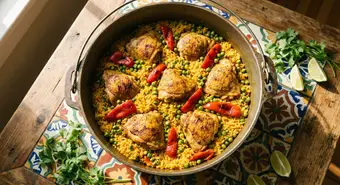
Cuban Arroz con Pollo: The Sunday Dish That Brings Families Together
History, traditional recipe, and secrets of Cuban arroz con pollo — the one-pot chicken and rice that gathers families every Sunday.
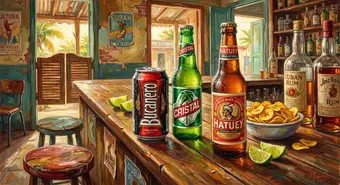
Cuban Beer: Complete Guide to Cristal, Bucanero, and Hatuey
Discover Cuba's most popular beers: Cristal, Bucanero, Hatuey, and Polar. History, flavors, and where to find them worldwide.

Yarey Hat: Cuba's Iconic Countryside Symbol and National Heritage
Discover the Cuban yarey hat, an intangible national heritage. History, artisanal craft process, origins in Camajuaní, and where to buy one.