Plátanos Maduros: The Sweet Fried Plantains on Every Cuban Table
Master Cuban fried sweet plantains with this traditional recipe. Learn the secrets to perfect caramelization and golden texture.
4 min read
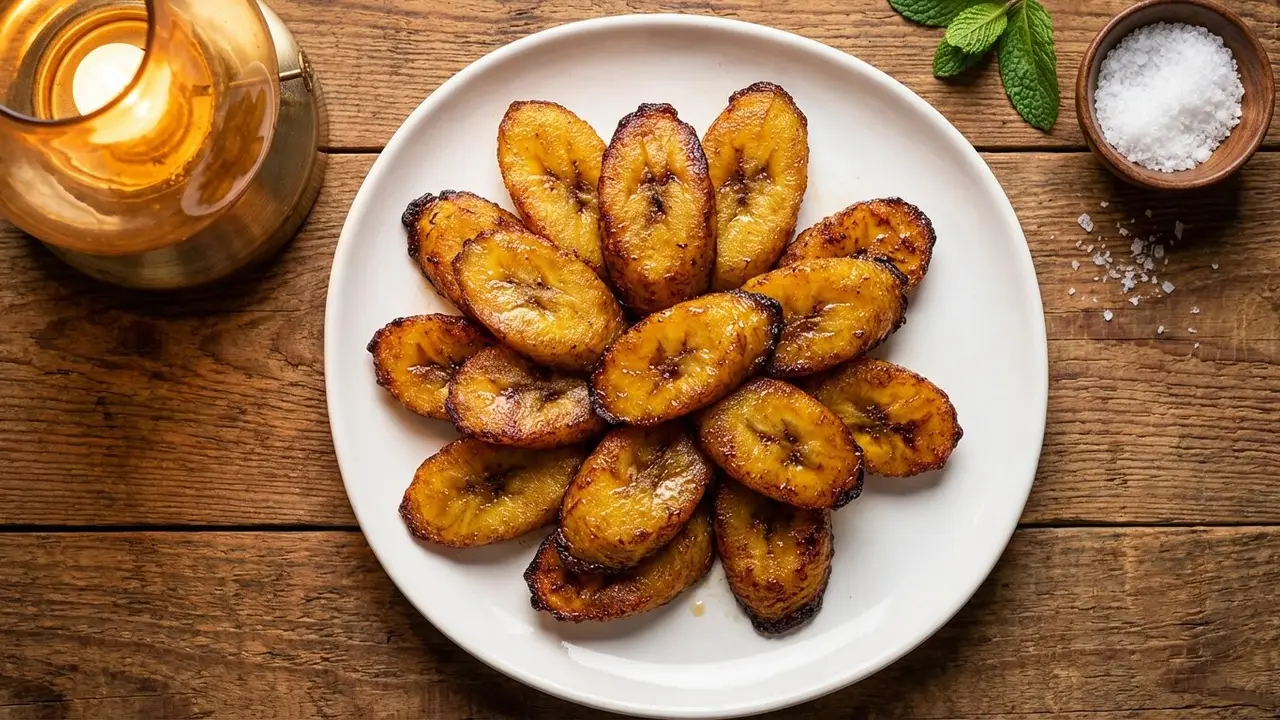
Plátanos Maduros: The Sweet Fried Plantains on Every Cuban Table
No Cuban meal is complete without a plate of plátanos maduros — sweet fried plantains — on the side. They’re the sweet counterpoint that balances black beans, white rice, ropa vieja, or picadillo a la habanera. Three ingredients — plantain, oil, and patience — produce one of the Caribbean’s most comforting flavors.
Plantains in Cuba: far more than fruit
The plantain (Musa paradisiaca) arrived in the Caribbean with Spanish colonizers in the 16th century, but it found a second home in Cuba. The island’s tropical climate — generous rainfall and fertile soils — created ideal growing conditions. According to the FAO, Latin America and the Caribbean produce over 30% of the world’s plantains.
In Cuban cooking, the plantain holds such a central place that it appears across all three daily meals: maduros at lunch, fried green as tostones at dinner, and as mariquitas (thin chips) for snacks. The Cuban ajiaco, considered the national dish by ethnologist Fernando Ortiz, also features plantain among its root vegetables.
The science of the perfect maduro
What makes maduros special is the Maillard reaction combined with caramelization. As the plantain ripens, starch converts into simple sugars — sucrose, glucose, and fructose. When these sugars hit hot oil at 340-360°F (170-180°C), they caramelize, creating that golden crust outside while the interior turns creamy and almost molten.
When is the plantain ready?
This is the secret every Cuban grandmother knows: the blacker, the better. A plantain with completely black skin has up to 20% more sugar than a yellow one with spots. The texture should yield slightly when pressed, but not be completely mushy.
Recipe: Cuban-Style Fried Sweet Plantains
Ingredients (serves 4)
- 3 large ripe plantains (black skin)
- Vegetable oil for frying (about 1 inch deep)
- Pinch of salt (optional)
Step-by-step instructions
-
Peel the plantains: Cut off the tips, make a lengthwise slit through the skin, and remove it. If the plantain is properly ripe, the skin will practically fall off.
-
Cut on the diagonal: Slice at a 45° angle into pieces about ½ inch thick. The diagonal cut increases the caramelization surface and gives a more elegant presentation.
-
Heat the oil: In a wide skillet, heat oil over medium-high until it reaches about 340°F (170°C). To test, drop in a small piece of plantain — it should bubble actively without burning.
-
Fry without crowding: Place slices with space between them. Crowding drops the oil temperature and produces soggy plantains instead of caramelized ones. Fry 2-3 minutes per side.
-
When to flip: Wait until the edges darken to a golden-amber tone before turning. Only once. Patience here is what separates a good maduro from an exceptional one.
-
Drain and serve: Remove onto paper towels. Add a pinch of salt if desired — the sweet-salty contrast is addictive. Serve hot.
Tips from the Cuban kitchen
- Don’t use green plantains: The result will be hard, bitter, and without sweetness. If your plantains are still yellow, put them in a paper bag with an apple for 2-3 days.
- Clean oil: Use fresh oil. Reused oil gives a rancid flavor that ruins the natural sweetness.
- Cinnamon variation: Some Cuban households sprinkle cinnamon and a touch of brown sugar when serving, especially as dessert.
Maduros in Cuban culture
In Cuba, fried maduros transcend gastronomy. They’re emotional memory: the sound of bubbling oil, the aroma filling the kitchen, the dish that always appeared on grandmother’s table. In Miami’s Cuban diaspora, maduros are a mandatory presence at Calle Ocho’s ventanitas (coffee windows) and iconic restaurants like Versailles.
At the Cuban table, maduros have their specific place: beside the black beans, where their sweetness balances the intensity of the bean stew. With moros y cristianos they’re inseparable. And alongside a bistec de palomilla, raw onions, and white rice, they complete what many Cubans call “the perfect plate.”
Regional variations
- Maduros en tentación: Baked with butter, cinnamon, and red wine, popular at Christmas Eve dinner.
- Maduros con queso: In eastern Cuba, served with melted white cheese on top.
- Maduros en almíbar: Cooked in sugar water with cinnamon, more common as dessert.
- Grilled: In modern Havana restaurants, made on the grill with a drizzle of honey.
Fried sweet plantains prove that culinary greatness doesn’t require complexity. One noble ingredient, properly ripened and correctly fried, produces one of the Caribbean’s most beloved flavors. As the Cuban saying goes: “Lo bueno, si breve, dos veces bueno” — good things, when brief, are twice as good — and a plate of maduros always disappears too fast. 🍌
Frequently asked questions
How do I know when a plantain is ripe enough for maduros?
Can I bake sweet plantains instead of frying them?
What's the difference between tostones and maduros?
Can I freeze fried sweet plantains?
How we got here
Background
The first thing we published on this topic.
Cuban Coffee Harvest Promises to Be the Best in Decades
The mountains of the Sierra Maestra produce an exceptional harvest thanks to new agricultural techniques.
Ropa Vieja: The Soul of Cuban Cuisine on a Plate
Discover the history, secrets, and traditional recipe of ropa vieja, Cuba's national dish that has conquered palates around the world.
Related articles
Cuban Fufú de Plátano: African Heritage in Every Bite
Cuban fufú de plátano traces its roots to West Africa. Learn the history, traditional recipe with pork cracklings, and mojo criollo.
Cuban Guarapo: The Island's Most Refreshing Natural Drink
Discover guarapo, Cuba's beloved fresh sugarcane juice. Learn its history, how it's made with a trapiche, and where to find it.
Casquitos de Guayaba: Cuba's Sweetest Guava Shell Dessert
Traditional Cuban guava shells in syrup with cream cheese. Learn the authentic recipe, history, and secrets of this beloved Caribbean dessert.
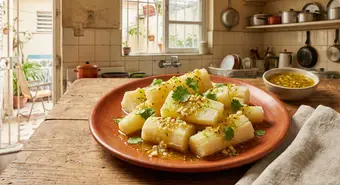
Yuca con Mojo: The Side Dish That Defines the Cuban Table
Authentic Cuban yuca with mojo criollo recipe. Learn the secrets of garlic, citrus, and olive oil that make this dish a classic.
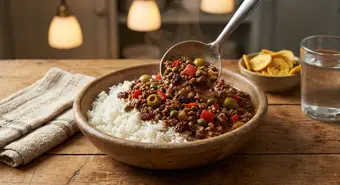
Cuban Picadillo: The Ultimate Comfort Food Recipe from Havana
Master authentic Cuban picadillo with olives and raisins. Learn the history, ingredients, and secrets of this beloved Caribbean dish.
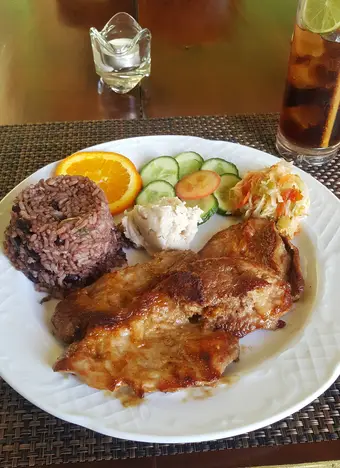
Moros y Cristianos: Cuban Black Beans and Rice Recipe
Authentic moros y cristianos recipe from Cuba. Learn the history, technique and secrets of this iconic dish symbolizing cultural fusion.