Moros y Cristianos: Cuban Black Beans and Rice Recipe
Authentic moros y cristianos recipe from Cuba. Learn the history, technique and secrets of this iconic dish symbolizing cultural fusion.
5 min read
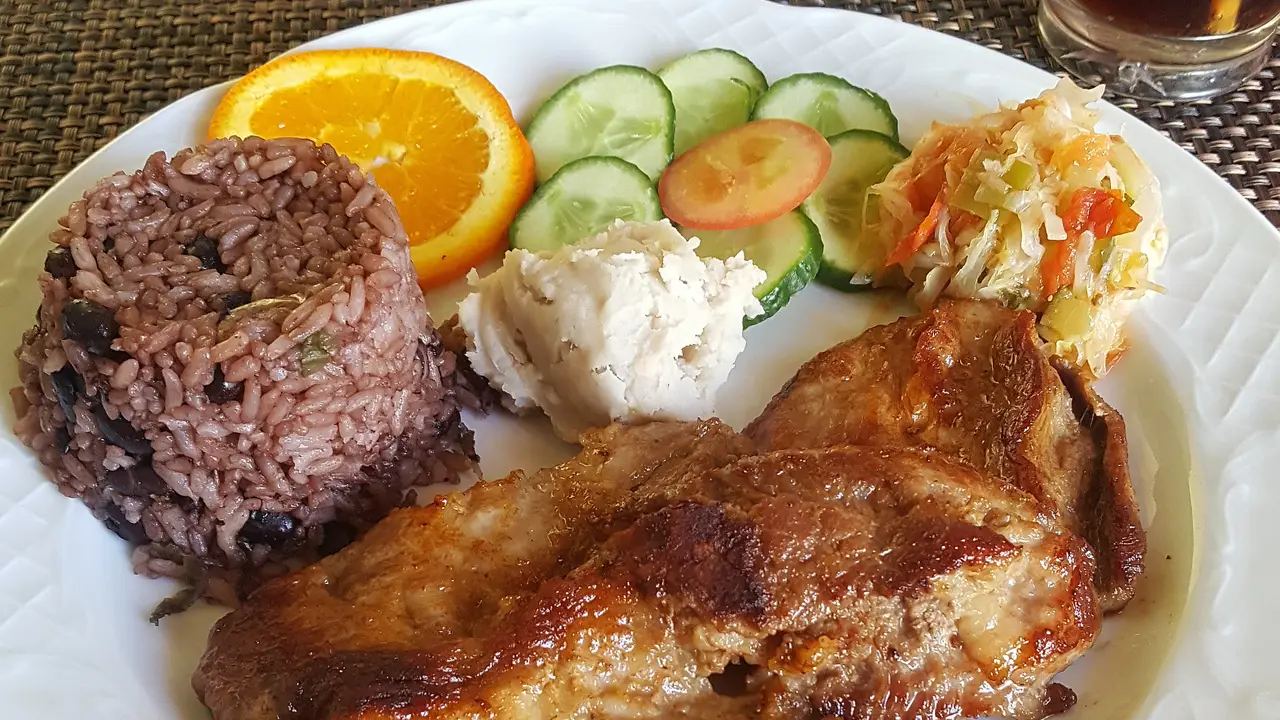
Moros y cristianos is the soul of Cuban cuisine. This dish of rice cooked together with black beans appears on nearly every table across the island, from the humblest family dinner to the most elegant restaurants in Havana.
A Name Steeped in History
The name moros y cristianos (Moors and Christians) is no culinary accident. It evokes centuries of Spanish history: the Reconquista, when Christian kingdoms of northern Iberia spent nearly 800 years reclaiming territory from Muslim (Moorish) rule.
In the dish, the black beans represent the Moors and the white rice represents the Christians. Cooked together in the same pot, they symbolize the coexistence — sometimes conflictive, sometimes harmonious — of two cultures that left deep marks on Spain and, by extension, Cuba.
Moros vs. Congrí: The Eternal Confusion
Many people confuse these two dishes, but there’s a fundamental difference:
| Dish | Beans | Region |
|---|---|---|
| Moros y Cristianos | Black | Western Cuba (Havana, Pinar del Río) |
| Congrí | Red (kidney) | Eastern Cuba (Santiago, Guantánamo) |
The term congrí comes from the French congris (with rice), a legacy of Haitian influence in eastern Cuba. Some Cubans use “congrí” for both dishes, but purists maintain the distinction.
What both share is the technique: rice and beans cooked together, not served separately like simple arroz con frijoles.
Ingredients for Moros y Cristianos
For the beans (if cooking from scratch)
- 1 cup dried black beans
- 8 cups water
- 1 bay leaf
- 1/2 green bell pepper
For the sofrito
- 4 tablespoons olive oil (or lard for more traditional flavor)
- 1 medium onion, finely diced
- 1 green bell pepper, finely diced
- 6 garlic cloves, minced
- 100g bacon (optional but delicious)
For the rice
- 2 cups long-grain rice
- 3 cups bean cooking liquid
- 1 teaspoon ground cumin
- 1 teaspoon dried oregano
- 1 bay leaf
- Salt and pepper to taste
Step-by-Step Preparation
Day before: prepare the beans
- Soak the beans in cold water for 8 hours or overnight.
- Drain and rinse well.
- Cook in a large pot with 8 cups fresh water, the bay leaf, and half a bell pepper. Bring to a boil, reduce heat, and simmer 1.5 to 2 hours until tender.
- Reserve the cooking liquid — it’s liquid gold for the final dish.
Cuban trick: add a pinch of baking soda to the cooking water to soften beans faster.
Cooking day: the sofrito and rice
-
Make the sofrito: In a large pot or caldero, heat the oil over medium heat. If using bacon, cook it first until it renders its fat.
-
Sauté the onion and pepper for 5-7 minutes until translucent and fragrant.
-
Add the garlic and cook 1 minute more. Don’t let it burn.
-
Add the drained beans, cumin, oregano, bay leaf, salt, and pepper. Mix well and cook 2-3 minutes so flavors meld.
-
Add the raw rice and stir to coat with the sofrito.
-
Pour in the bean cooking liquid (3 cups). If you don’t have enough, supplement with chicken broth.
-
Bring to a boil, then reduce to very low heat, cover, and cook 20-25 minutes without lifting the lid.
-
Turn off heat and let rest, covered, for 5 more minutes before serving.
The Secret of the Caldero
True Cubans know the best vessel for moros is the caldero: that thick aluminum pot with a heavy lid that distributes heat evenly.
The caldero produces the coveted pegao (or concón): that crispy layer of toasted rice that forms on the bottom. For many Cubans, the pegao is the best part of the dish.
What to Serve with Moros y Cristianos
Moros are tremendously versatile, but their classic companions include:
- Roast pork (lechón asado): the quintessential Christmas combination
- Yuca with mojo: the perfect side dish
- Ropa vieja: another Cuban table classic
- Fried pork chunks (masas de cerdo): crispy and juicy
- Avocado salad: freshness that balances intense flavors
Where to Try the Best Moros
In Cuba
- La Guarida (Havana): at an iconic paladar
- San Cristóbal (Havana): where Obama dined
- Any casa particular: the best moros are always homemade
In Miami
- Versailles (Calle Ocho): Cuban exile institution
- La Carreta: chain with authentic flavor
- Havana Harry’s: moros with a contemporary twist
Regional Variations
While the basic recipe is universal, every family has their version:
- Havana style: more olive oil, abundant garlic
- Eastern style: may include smoked bacon
- Country style: with pork broth instead of water
- Modern version: some add beer to the cooking liquid
Nutrition and Benefits
Moros y cristianos aren’t just delicious — they’re nutritious:
- Complete protein: the rice and bean combination provides all essential amino acids
- Fiber: black beans are rich in soluble fiber
- Iron: important for blood health
- Low cost: feeds many with few ingredients
This combination has been the foundation of Cuban popular nutrition for centuries, especially during difficult times.
Cuisine as Cultural Fusion
Moros y cristianos are more than food: they’re a symbol of Cuban identity. In every spoonful lies the history of Spain, Africa, and the Caribbean blending on a tropical island.
Rice arrived from Asia via the Spanish. Black beans were already cultivated in the Americas. The sofrito has Mediterranean roots. And the technique of cooking everything together reflects the Creole creativity of making much from little.
Have you made moros y cristianos at home? Share your version on social media with #AromaDeCuba.
References
Frequently asked questions
What's the difference between moros y cristianos and congrí?
Why is it called moros y cristianos?
Can I use canned black beans?
How long does it keep in the refrigerator?
How we got here
Background
The first thing we published on this topic.
Cuban Coffee Harvest Promises to Be the Best in Decades
The mountains of the Sierra Maestra produce an exceptional harvest thanks to new agricultural techniques.
Ropa Vieja: The Soul of Cuban Cuisine on a Plate
Discover the history, secrets, and traditional recipe of ropa vieja, Cuba's national dish that has conquered palates around the world.
Related articles
Moros y Cristianos: Cuba's Story in Every Bite
The history of Cuban Moros y Cristianos, the iconic black beans and rice dish blending Spanish and African heritage. Includes authentic recipe.
Cuban Picadillo: The Ultimate Comfort Food Recipe from Havana
Master authentic Cuban picadillo with olives and raisins. Learn the history, ingredients, and secrets of this beloved Caribbean dish.
Yuca con Mojo: The Side Dish That Defines the Cuban Table
Authentic Cuban yuca with mojo criollo recipe. Learn the secrets of garlic, citrus, and olive oil that make this dish a classic.
Plátanos Maduros: The Sweet Fried Plantains on Every Cuban Table
Master Cuban fried sweet plantains with this traditional recipe. Learn the secrets to perfect caramelization and golden texture.
Cuban Fufú de Plátano: African Heritage in Every Bite
Cuban fufú de plátano traces its roots to West Africa. Learn the history, traditional recipe with pork cracklings, and mojo criollo.

The Mojito: History and Secrets of Cuba's Most Famous Cocktail
From La Bodeguita del Medio to the world. Learn the history of the mojito and how to make the perfect cocktail with the traditional Cuban recipe.