Bistec de Palomilla: Cuba's Beloved Steak Cooked with Pure Love
Authentic Cuban palomilla steak recipe with onions, garlic, and lime. History, technique, and secrets of this criolla kitchen classic.
4 min read
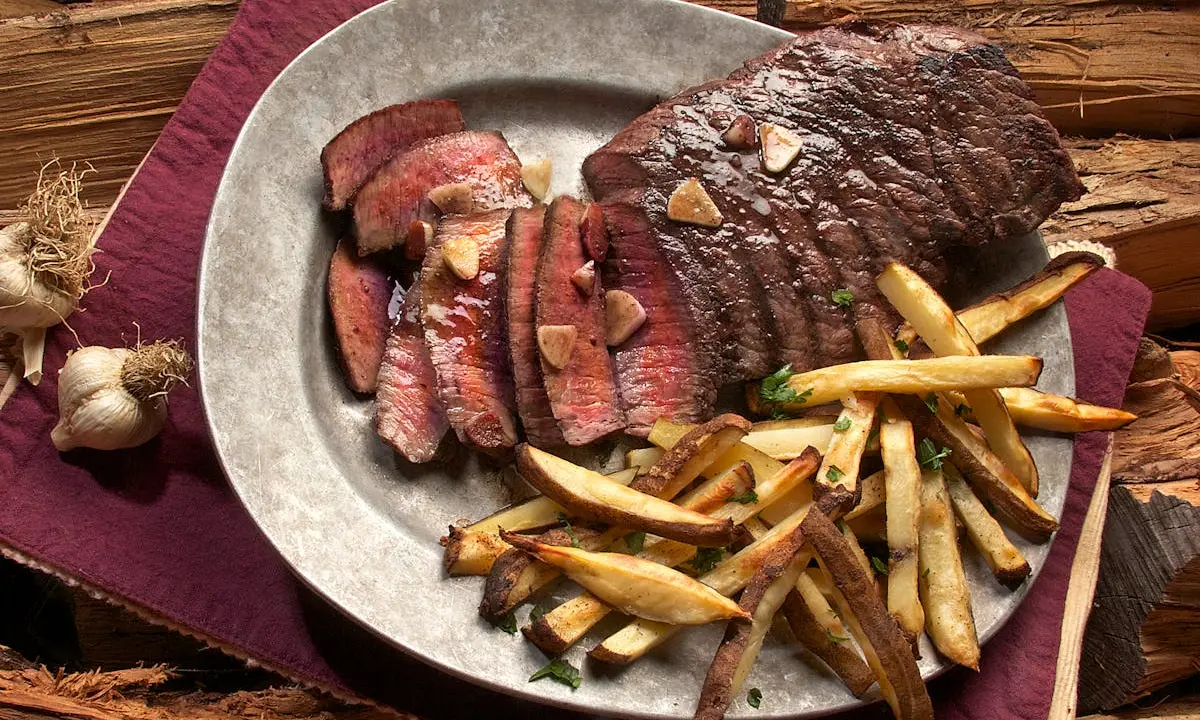
The Steak Every Cuban Grandmother Knows by Heart
If one dish defines everyday Cuban home cooking, it’s bistec de palomilla. It’s not the fanciest or the most photogenic, but it carries more love per square inch than almost anything else on the table. Paper-thin beef, pounded with patience, marinated in garlic and lime, then seared in a screaming-hot skillet until the edges crisp and the onions surrender.
Every Cuban household has a different version. Every grandmother swears hers is the right one. And they’re all correct.
What “Palomilla” Means
The word palomilla comes from old Spanish and means moth or butterfly. It refers to the technique of splitting a thick cut of beef in half, like opening butterfly wings, to produce two thin, equal steaks.
In Cuban tradition, the preferred cut is top sirloin or round steak, sliced into sheets less than a centimeter thick. Palomilla isn’t a premium cut — it’s a humble one that Cuban cooking transforms into something extraordinary.
“There’s no real recipe for this dish. Every Cuban just knows how to make it.” — A Cuban mother’s take, via Serious Eats.
History: From Necessity to Flavor
Like many dishes in Cuban criolla cuisine, bistec de palomilla was born from necessity. Cheap, tough cuts of beef were pounded flat with a mallet until tender. The acidic marinade of lime and garlic wasn’t just for flavor — it tenderized the meat through the citric acid breaking down muscle fibers.
This technique appears across Latin America and the Caribbean, but Cubans gave it their signature touch: grated garlic rubbed directly into the meat, fresh lime juice (not sour orange like other Cuban dishes), and onions fried in the same pan.
In Miami, bistec de palomilla became a star at the exile community’s ventanitas and Cuban cafeterias. Restaurants like Versailles on Calle Ocho serve it with mountains of onions on top, alongside rice, beans, and maduros.
The Traditional Recipe
Ingredients (serves 4)
- 4 top sirloin or round steak fillets (5-6 oz each)
- 6 garlic cloves, grated
- Juice of 3 limes
- Salt and pepper to taste
- 2 large onions, sliced into rings
- 4 tablespoons olive oil
- Fresh parsley, chopped (optional)
Instructions
1. Tenderize the meat: Place each steak between two sheets of plastic wrap and pound with a meat mallet until 3-5 mm thin. This step is non-negotiable — it transforms a tough cut into something tender.
2. Marinate: Rub each steak with grated garlic, drench in lime juice, and season generously with salt and pepper. Rest at least 20 minutes (ideally 1-4 hours in the fridge).
3. Sear the steaks: Heat 2 tablespoons of oil in a large skillet over high heat. When it just begins to smoke, lay the steaks in without crowding — cook 2 to 3 minutes per side. The edges should be golden but the center juicy. Set aside.
4. The onions: In the same skillet, add the remaining 2 tablespoons of oil. Cook the onion rings over medium-high heat, stirring occasionally, until golden and lightly caramelized (5-7 minutes).
5. Serve: Place steaks on the plate, crown with onions, and squeeze a little extra lime on top if desired. Garnish with fresh parsley.
The Secrets
- Grate the garlic, don’t mince it. This way it penetrates every fiber of the meat.
- The skillet must be screaming hot. If the meat doesn’t sizzle immediately, wait longer.
- Don’t overcook. Thin palomilla goes from juicy to shoe leather in seconds.
- Cook the onions after the steak, in the rendered fat, absorbing all that flavor.
What to Serve Alongside
The classic Cuban trinity is unbeatable:
- Arroz con pollo or white rice
- Moros y cristianos (black beans and rice)
- Fried sweet plantains
- Yuca con mojo as an alternative
- Avocado and tomato salad
In many Cuban homes, french fries are the mandatory sidekick to bistec. And a glass of guarapo or lemonade to wash it all down.
Variations
- Bistec empanizado: Dipped in beaten egg and cracker meal before frying. Another Cuban cafeteria star.
- Bistec en cazuela: Slow-cooked with onion, tomato, and dry white wine — perfect for tougher cuts.
- Bistec a caballo: Topped with a fried egg — popular in Argentina and adopted by some Cubans.
Where to Try It in Miami
If you don’t have time to cook, these classics serve it the right way:
- Versailles Restaurant — Calle Ocho, the most famous
- La Carreta — Cuban chain with multiple locations
- Islas Canarias — In Westchester, a local favorite
Bistec de palomilla doesn’t need expensive ingredients or complicated techniques. It just needs a Cuban grandmother who tells the meat exactly what to do. And the meat, obediently, always listens.
Frequently asked questions
What cut of meat is used for bistec de palomilla?
Why is it called palomilla?
How long should you marinate palomilla steak?
What do you serve with bistec de palomilla?
How we got here
Background
The first thing we published on this topic.
Cuban Coffee Harvest Promises to Be the Best in Decades
The mountains of the Sierra Maestra produce an exceptional harvest thanks to new agricultural techniques.
Ropa Vieja: The Soul of Cuban Cuisine on a Plate
Discover the history, secrets, and traditional recipe of ropa vieja, Cuba's national dish that has conquered palates around the world.
Related articles

Cuban Beer: Complete Guide to Cristal, Bucanero, and Hatuey
Discover Cuba's most popular beers: Cristal, Bucanero, Hatuey, and Polar. History, flavors, and where to find them worldwide.
Cuban Peanut Turrón: The Beloved Street Sweet You Need to Try
Discover turrón de maní, Cuba's iconic peanut nougat. History, traditional 2-ingredient recipe, and where to buy it.

The Cuban Guayabera: History, Style & Tropical Elegance
Discover the Cuban guayabera, the Caribbean's most iconic shirt. Its history from Sancti Spíritus, features, how to choose one, and where to buy.

Cuban Flan: The Caramel Custard That Steals the Show at Every Table
Traditional Cuban flan recipe with condensed milk and caramel. History, tips, and step-by-step guide to this iconic Cuban dessert.
Cuban Medicinal Plants: A Guide to Cuba's Green Medicine Tradition
Discover Cuba's most popular medicinal plants, from aloe vera to lemongrass. History, uses, and traditions of Cuban green medicine.
Arroz Imperial: Cuba's Showstopping Layered Rice Casserole
Discover arroz imperial, the Cuban layered rice casserole with chicken, mayo, and melted cheese. History, step-by-step recipe, and tips.