Cuban Guarapo: The Island's Most Refreshing Natural Drink
Discover guarapo, Cuba's beloved fresh sugarcane juice. Learn its history, how it's made with a trapiche, and where to find it.
4 min read
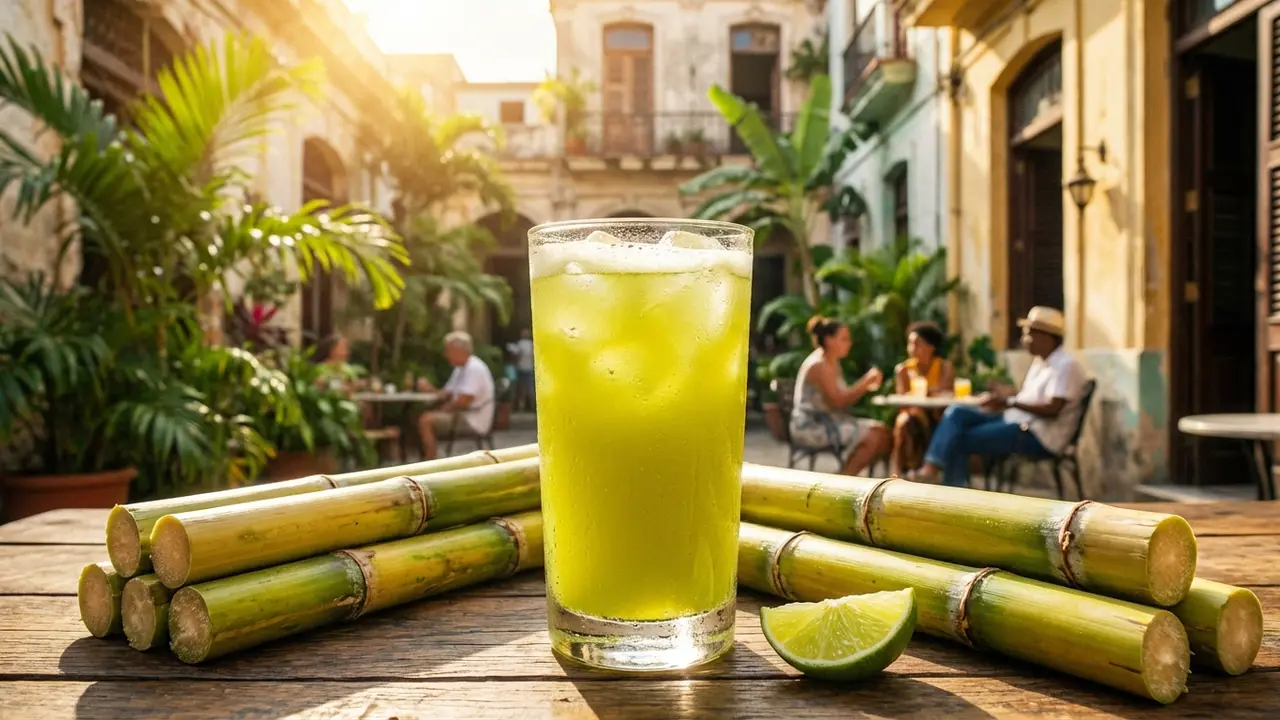
Illustration: Aroma de Cuba (AI)
Cuba’s sweet mother
If there’s one drink that captures the soul of Cuba in a single sip, it’s guarapo. It’s not a fancy cocktail or a complicated recipe — it’s simply the raw juice of sugarcane, extracted through a mechanical press called a trapiche and served ice-cold.
Cuba and sugarcane share over five centuries of history. Since Spanish colonizers introduced the crop in the 16th century, cane transformed the island’s economy, culture, and palate. And guarapo has always been the most direct way to enjoy that sweetness: unrefined, unprocessed, unfiltered.
From field to glass: how it’s made
Making guarapo is a spectacle in itself:
- Fresh cane is selected — the best stalks are thick, juicy, and freshly cut
- Peeled to remove the tough outer rind
- Fed through the trapiche — a mechanical press that crushes the cane and extracts every drop
- Strained to remove fiber residue
- Served over crushed ice with optional lime juice
The result is a brilliant green-gold liquid with an intense natural sweetness unlike any bottled juice. The word guarapo was first recorded by Esteban Pichardo in his Diccionario Provincial de Voces y Frases Cubanas in the mid-19th century, though its origin may be indigenous.
Guaraperas: temples of street refreshment
In every Cuban town, along every dusty highway between cities, you’ll find guaraperas: small stands where the trapiche takes center stage. For just a few pesos, anyone can stop for an ice-cold glass that restores energy in the tropical heat.
Guaraperas are as much a part of the Cuban landscape as the tropical fruits sold at local markets or national soft drinks like TuKola. But guarapo has something no industrial beverage can replicate: the absolute freshness of the moment.
The beautiful problem with guarapo
There’s a charming “defect” to this drink: it doesn’t last. Within minutes, exposure to air and light oxidizes the juice, turning its brilliant green into an unappealing brown. That’s why guarapo can’t be bottled, exported, or preserved. You drink it now, freshly made, or not at all. That urgency is part of its magic.
More than sugar: natural benefits
Though its taste screams sweetness, guarapo is more nutritious than you’d expect:
- Instant energy from natural sugars (sucrose, glucose, fructose)
- B-complex vitamins supporting metabolism
- Minerals: iron, calcium, potassium, magnesium
- Natural hydration without additives or preservatives
- Alkalizing properties according to traditional medicine
Sugarcane cutters and field workers always knew it: a good guarapo at mid-morning restores strength better than any modern energy drink.
Sugarcane: Cuba’s backbone
You can’t understand guarapo without understanding sugarcane’s importance to Cuba. For centuries, sugar was Cuba’s primary export. At its peak in the 1970s, Cuba produced over 8 million tons of sugar annually, ranking among the world’s top producers.
From sugarcane spring three pillars of Cuban identity:
- Guarapo — the people’s drink
- Rum — the national spirit (like Havana Club and Santiago de Cuba)
- Raspadura (panela) — traditional sweetener
The sugar industry has declined significantly since the 1990s, but cane still grows across Cuban fields and guarapo still flows at guaraperas.
Guarapo in the diaspora
In Miami, the guarapo tradition thrives. The most iconic spot is Los Piñeros Frutería on Calle Ocho in Little Havana, operated by the Hernández family since 1968. There, Guillermina Hernández — a small but mighty woman — has pressed cane for thousands of visitors over decades, turning the act into pure gastronomic theater.
Fresh guarapo is also available at fruit markets in Hialeah, Union City, and other Cuban communities across the United States. Every glass carries a piece of the island.
Variations and cousins
- Guarapo con limón — the most popular version, with a squeeze of lime
- Guarapo con hierbabuena — refreshing mint variation
- Guarapita — in Venezuela, fermented guarapo mixed with fruit
- Garapiña — a different Cuban drink made from fermented pineapple peels
How to make guarapo at home
If you can find fresh sugarcane (available at Latin markets in the U.S.):
- Peel the cane and cut into pieces
- Run through a powerful juicer or manual trapiche
- Strain through a fine sieve
- Serve immediately over plenty of ice
- Add lime to taste
Tip: No trapiche? You can blend peeled cane pieces with a little water and strain well. It won’t be identical, but it gets close.
Guarapo is Cuba in liquid form: sweet, intense, fleeting, and absolutely irresistible. There’s no way to bottle it because its essence is the moment — that perfect instant between the trapiche and your lips.
Frequently asked questions
What is Cuban guarapo?
Why does guarapo change color so quickly?
Where can you drink guarapo in Cuba?
Is guarapo healthy?
How we got here
Background
The first thing we published on this topic.
Cuban Coffee Harvest Promises to Be the Best in Decades
The mountains of the Sierra Maestra produce an exceptional harvest thanks to new agricultural techniques.
Habanos: Complete Guide to the Most Prestigious Cuban Cigars
Cohiba, Montecristo, Romeo y Julieta — discover the legendary Cuban cigar brands, how to choose them, and where to buy them.
Related articles
Cuban Guarapo & Tropical Juices: The Island's Most Refreshing Drinks
Discover guarapo and Cuba's tropical juices. From fresh sugarcane juice to mamey shakes and guava nectar, drinks that define the island.
Casquitos de Guayaba: Cuba's Sweetest Guava Shell Dessert
Traditional Cuban guava shells in syrup with cream cheese. Learn the authentic recipe, history, and secrets of this beloved Caribbean dessert.
Cuban Fufú de Plátano: African Heritage in Every Bite
Cuban fufú de plátano traces its roots to West Africa. Learn the history, traditional recipe with pork cracklings, and mojo criollo.
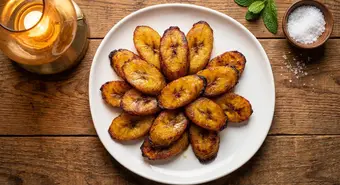
Plátanos Maduros: The Sweet Fried Plantains on Every Cuban Table
Master Cuban fried sweet plantains with this traditional recipe. Learn the secrets to perfect caramelization and golden texture.
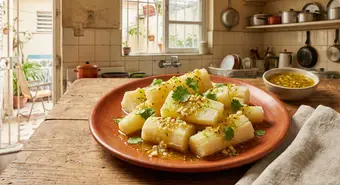
Yuca con Mojo: The Side Dish That Defines the Cuban Table
Authentic Cuban yuca with mojo criollo recipe. Learn the secrets of garlic, citrus, and olive oil that make this dish a classic.
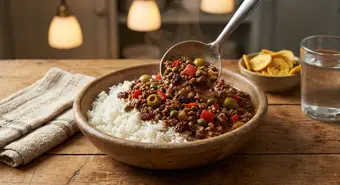
Cuban Picadillo: The Ultimate Comfort Food Recipe from Havana
Master authentic Cuban picadillo with olives and raisins. Learn the history, ingredients, and secrets of this beloved Caribbean dish.