Boniatillo: Cuba's Beloved Sweet Potato Dessert That Warms the Soul
Traditional Cuban boniatillo recipe - a creamy sweet potato pudding with cinnamon. History, step-by-step guide, and grandmother's secrets.
3 min read
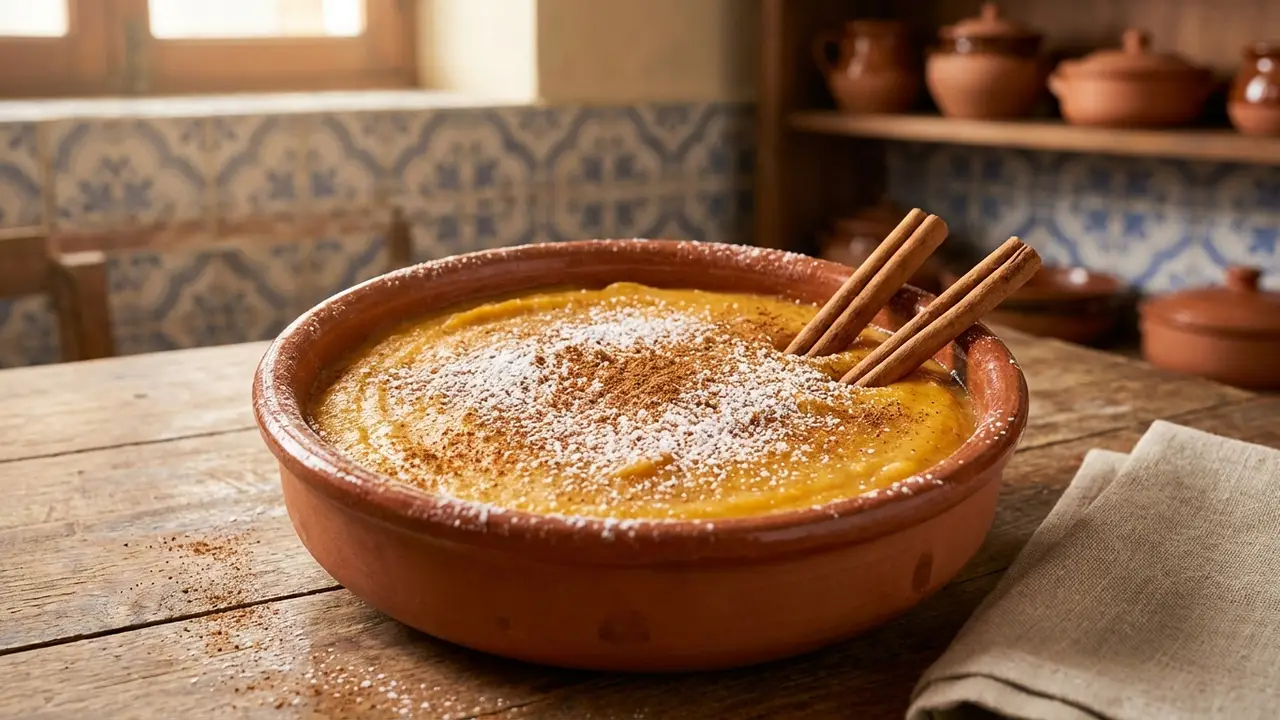
Illustration: Aroma de Cuba (AI)
Some desserts feed the body, others feed the soul. Cuban boniatillo belongs firmly in the second category: a humble sweet born from the earth, perfumed with cinnamon, that has graced Cuban family tables for generations.
A Dessert with Taíno Roots
The boniato—also known as batata or Cuban sweet potato—was already cultivated by the Taíno people long before the Spanish arrived. This sweet, versatile tuber became a pillar of Cuban cuisine, and from it emerged one of the island’s most beloved desserts.
Boniatillo embodies the philosophy of Creole cooking: transforming simple ingredients into something extraordinary. It requires no sophisticated techniques or imported ingredients. Just patience, a clay pot, and the love of whoever prepares it.
The Traditional Boniatillo Recipe
Ingredients
- 2 large boniatos (preferably white Cuban variety)
- 1 cup sugar (adjustable to taste)
- 1 cup whole milk or evaporated milk
- Zest of 1 lemon
- 1 cinnamon stick
- A pinch of salt
- ½ teaspoon vanilla extract (optional)
- Powdered sugar and ground cinnamon for garnish
Step-by-Step Preparation
1. Cook the Boniatos Wash the sweet potatoes and boil them in salted water until completely tender (about 25-30 minutes). They should easily fall apart when pierced with a fork.
2. Make the Purée Peel the hot boniatos and mash them with a fork or potato ricer. The key is to eliminate all lumps to achieve that signature silky texture.
3. Cook the Mixture In a saucepan over medium-low heat, combine the purée with sugar, milk, cinnamon stick, and lemon zest. Stir constantly with a wooden spoon to prevent sticking.
4. The Perfect Consistency You’ll know it’s ready when the mixture thickens and begins to pull away from the sides of the pot. Remove the cinnamon stick, add vanilla, and mix well.
5. Serve Spoon into individual bowls, dust with powdered sugar and cinnamon. Enjoy warm or chilled.
Grandmother’s Secrets
Cooks with decades of experience know tricks that elevate boniatillo:
- The Sugar: Traditionally, equal parts sugar and boniato were used. Today, many prefer to halve the sugar for a less cloying sweetness.
- The Zest: Add it near the end of cooking to preserve its fresh aroma.
- The Heat: Always low and steady. Haste is the enemy of boniatillo.
- Orange Variation: Substitute orange zest for lemon for a different citrus note.
Modern Variations
Traditional boniatillo welcomes creativity without losing its essence:
- With Coconut: Add shredded coconut for tropical texture and flavor
- With Nuts: Crown with chopped almonds or walnuts
- Creamy Version: A drizzle of condensed milk at the end
- Spiced Up: A pinch of clove or star anise
The Perfect Pairing
Boniatillo shines on its own, but these combinations elevate it:
- A strong, aromatic Cuban coffee — the bitter-sweet contrast is magical
- Cold cream cheese — for adventurous palates who love contrast
- María cookies — tradition upon tradition
More Than Dessert: A Hug in Sweet Form
“I remember my father loved it most in our house, so my mother made it often,” recalls one Cuban about their boniatillo memories. And that’s precisely its magic: this isn’t a dessert you buy on the corner. It’s a sweet that’s made at home, with calm, thinking of someone you love.
Boniatillo smells like Sunday, like long after-dinner conversations, like grandmother’s kitchen. It’s intangible heritage of the Cuban family, passed from hands to hands, generation to generation.
Ready to try making it? Find some fresh boniatos, let the cinnamon perfume your kitchen, and treat yourself (and your loved ones) to this little piece of Cuba in dessert form.
For more traditional recipes, explore our Cuban gastronomy section.
Frequently asked questions
What is Cuban boniatillo?
What is the origin of boniatillo?
Can you make boniatillo with orange sweet potato?
How is boniatillo served?
How we got here
Background
The first thing we published on this topic.
Cuban Coffee Harvest Promises to Be the Best in Decades
The mountains of the Sierra Maestra produce an exceptional harvest thanks to new agricultural techniques.
Ropa Vieja: The Soul of Cuban Cuisine on a Plate
Discover the history, secrets, and traditional recipe of ropa vieja, Cuba's national dish that has conquered palates around the world.
Related articles
Cuban Ajiaco: The Stew That Tells Cuba's Story
Discover ajiaco cubano, Cuba's symbol of cultural fusion. History, traditional recipe, and secrets of this unique stew.
Prú Oriental: Cuba's Most Refreshing Fermented Drink
Discover Prú Oriental, a traditional Cuban fermented beverage made with roots and herbs. History, recipe and ingredients of this Eastern Cuban treasure.
Cuban Daiquiri: History of the Cocktail That Conquered the World
Discover the origins of the daiquiri in Santiago de Cuba, its perfection at Havana's El Floridita, and the original recipe of Cuba's most famous cocktail.

Cuban Sodas: Tropicola, Iron Beer and Bottled Nostalgia
Discover the traditional Cuban soft drinks that shaped generations. History, flavors, and where to find them today.
Cuban Mojito: History, Recipe and Secrets of the Iconic Cocktail
Discover the history of the mojito, Cuba's most famous cocktail. Authentic recipe, origins, and where to try it.
Cuban Tostones: The Art of Twice-Fried Green Plantains
Learn to make perfect tostones, the crispy side dish that defines the Cuban table. History, technique, and secrets.