Cuban Ham Croquetas: From Spain to Miami, the Perfect Bite
History, traditional recipe, and secrets of Cuban croquetas de jamón — the crispy snack that traveled from France to Spain and conquered Cuba.
4 min read
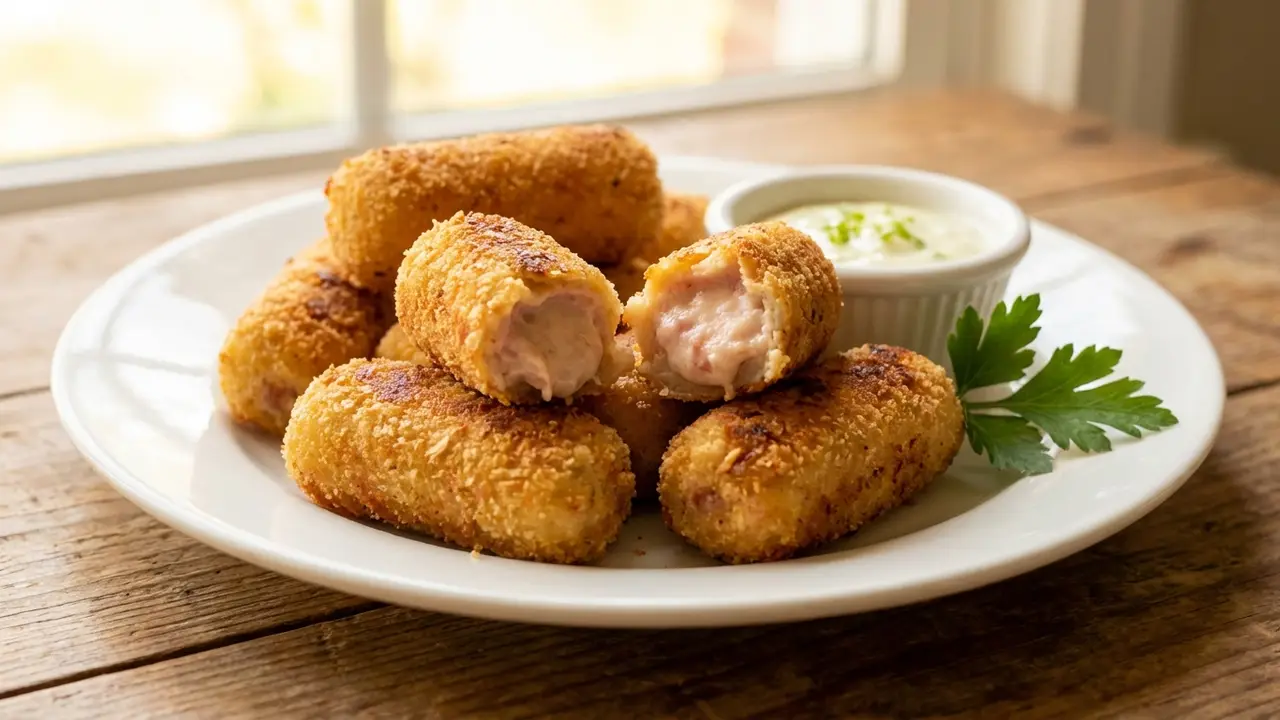
Illustration: Aroma de Cuba (AI)
Some bites tell the story of an entire people in a single crunch. The Cuban croqueta de jamón is one of them: crispy outside, creamy inside, and loaded with a history that crosses oceans and generations.
From France to Spain, from Spain to Cuba
The croquette was born in France in the 18th century, likely in the kitchen of chef Antoine Carême. The name comes from the French croquer — to crunch. But it was Spain that adopted them with passion, replacing the original potato filling with a thick béchamel loaded with jamón serrano that became a national tapa.
When the Spanish came to Cuba, the croquetas traveled with them. But the island, as it does with everything, transformed them. Without access to cured serrano ham, Cubans used sweet ham — the cooking ham found in any bodega. And they added one ingredient that changed everything: nutmeg.
That pinch of nutmeg in the béchamel is what separates a Cuban croqueta from any other in the world.
The Traditional Recipe
Ingredients (makes about 30 croquetas)
For the dough:
- 4 tablespoons butter
- 1/2 cup all-purpose flour
- 2 cups whole milk
- 250g (1/2 lb) sweet ham, finely diced (or 2 cans deviled ham)
- 1/2 teaspoon nutmeg
- Salt and white pepper to taste
- Pinch of garlic powder
For breading:
- 2 eggs, beaten
- 1 cup fine breadcrumbs (Cuban cracker meal preferred)
- Vegetable oil for frying
Instructions
1. The Cuban béchamel
Melt butter over medium heat in a heavy skillet. Add all the flour at once and stir constantly with a wooden spoon for 2 minutes — you want a blond roux, not golden. Add milk gradually, never stopping the stirring. Patience is everything here.
2. The soul: ham and nutmeg
When the béchamel thickens (it should pull away from the sides of the pan), fold in the diced ham, nutmeg, garlic powder, salt, and pepper. Stir for 2-3 more minutes. The dough should be thick like soft clay.
3. Chill — the step you cannot skip
Pour the dough onto a greased tray, cover with plastic wrap touching the surface (to prevent a skin from forming), and refrigerate for at least 4 hours, ideally overnight. This is every Cuban grandmother’s secret: cold dough shapes without sticking.
4. Shape and bread
With slightly damp hands, take portions of dough and roll into cylinders about 3 inches long. Dip each croqueta in beaten egg, then roll in breadcrumbs, ensuring full coverage. For extra crunch, double-bread: egg and crumbs twice.
5. Fry to perfection
Heat oil to 350°F (175°C). Fry croquetas in small batches, 3-4 minutes, turning until evenly golden. Drain on paper towels.
Croquetas in Miami: An Industry Born of Exile
When hundreds of thousands of Cubans arrived in Miami in the 1960s, croquetas were among the first things to appear in the ventanitas (walk-up windows) of Calle Ocho. Bakeries like Karla Bakery, Vicky Bakery, and Sergio’s built empires on this humble snack.
In Miami, the croqueta transcended food. It’s late-night fuel, office snack, mandatory companion to Cuban coffee. There is no family reunion, birthday party, or funeral in Cuban Miami without a tray of croquetas.
The tradition evolved too: today you’ll find chicken, fish, cheese, even ropa vieja croquetas. But ham remains the undisputed queen.
Modern Variations Without Losing the Essence
- Croqueta preparada: inside Cuban bread with mustard — Miami’s ultimate snack
- Chicken croquetas: the second most popular, using shredded boiled chicken
- Baked croquetas: lighter alternative, baked at 400°F with oil spray
- Cheese-stuffed croquetas: with a cream cheese core that melts when you bite
The Sacred Ritual: Cafecito and Croqueta
If there’s one holy pairing in Cuban Miami culture, it’s the cortadito with croqueta. The bitterness of espresso against the salty creaminess of the croqueta creates a contrast no Cuban can resist. It’s the breakfast of the ventanitas, the 3 PM snack, the bite that tastes like home no matter how many years you’ve been away from the island.
As they say on Calle Ocho: “If you haven’t had a croqueta with cafecito, you haven’t lived Miami.”
Looking for more Cuban flavors? Try our Cuban sandwich recipe or discover the history of the mojito.
Frequently asked questions
What is the secret ingredient in Cuban croquetas?
Can you bake Cuban croquetas instead of frying?
Why do Cuban croquetas use sweet ham instead of serrano?
How long can you store croquetas before frying?
How we got here
Background
The first thing we published on this topic.
Cuban Coffee Harvest Promises to Be the Best in Decades
The mountains of the Sierra Maestra produce an exceptional harvest thanks to new agricultural techniques.
Ropa Vieja: The Soul of Cuban Cuisine on a Plate
Discover the history, secrets, and traditional recipe of ropa vieja, Cuba's national dish that has conquered palates around the world.
Related articles
Picadillo a la Habanera: Cuba's Most Beloved Everyday Dish
The history, traditional recipe, and secrets of Cuban picadillo — the humble ground beef dish that conquered every table in Cuba.
Cuban Organic Honey: The Caribbean's Golden Treasure Conquering Europe
Cuba produces 100% organic honey without pesticides. Discover why Cuban honey is conquering European markets and its beekeeping history.
Cuban Guava Pastelitos: The Flaky Pastry That Stole Miami's Heart
History, recipe, and secrets of Cuban pastelitos de guayaba y queso. From golden puff pastry to guava filling, Cuba's most addictive sweet bite.
Essential Cuban Condiments: Sour Orange, Bijol, and Adobo Criollo
Complete guide to the Cuban condiments that define our cuisine: sour orange, bijol, adobo criollo, cumin, and oregano.

The Cuban Sillón: History & Tradition of Cuba's Rocking Chair
Guide to the Cuban sillón, the rocking chair that defines Caribbean life. History, types, craftsmen, superstitions, and where to buy Cuban rocking chairs.
Natilla Cubana: The Creamy Cuban Custard That Tastes Like Home
Discover natilla cubana, the cinnamon-infused custard that defines Cuban comfort. History, step-by-step recipe, and abuela's secrets.