Cuban Buñuelos: The Christmas Fritters That Taste Like Home
Traditional Cuban buñuelos recipe with yuca and malanga in anise syrup. History, technique and secrets of Cuba's most beloved holiday dessert.
5 min read
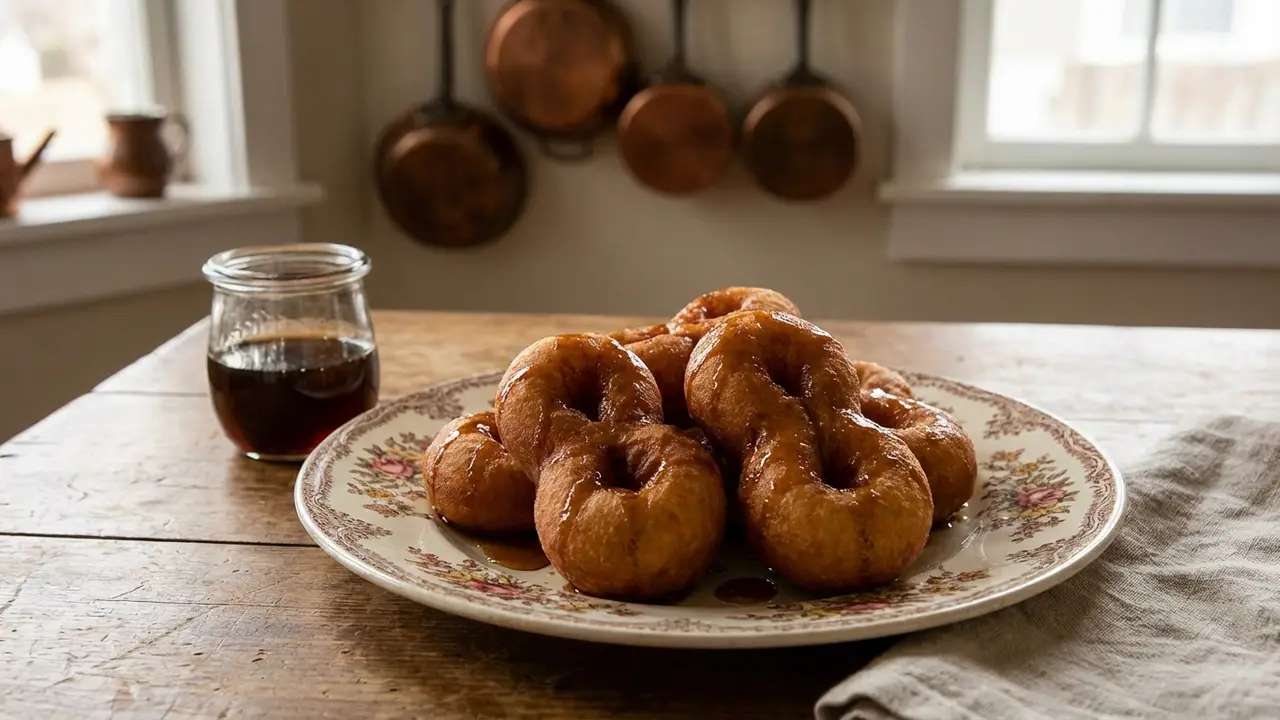
Illustration: Aroma de Cuba (AI)
Cuban Buñuelos: The Christmas Fritters That Taste Like Home
There’s an aroma that for millions of Cubans means Christmas Eve: yuca and malanga frying in hot oil while a pot of anise-starred, cinnamon-laced syrup bubbles on the stove. Cuban buñuelos are far more than a dessert — they’re the sweet finale to the most important meal of the year, a tradition passed down intact through generations.
From Spain to the Caribbean: how Cuban buñuelos were born
The story begins in medieval Spanish kitchens, where wheat-flour fritters marked religious celebrations. When colonizers arrived in Cuba, they faced a problem: wheat didn’t thrive in the tropics. The solution was as Cuban as it gets — replace flour with the root vegetables that grew everywhere: yuca (cassava), malanga, and boniato (sweet potato).
That adaptation, born from necessity, produced something superior to the original. Yuca brings a unique chewiness, malanga softens the texture, and together they create a dough that fries into a golden, crispy shell that wheat could never match.
By the 19th century, buñuelos were inseparable from Cuban Nochebuena, as essential as roast pork or moros y cristianos.
The figure-eight shape: more than aesthetics
If you’ve ever seen Cuban buñuelos, you noticed their signature figure-eight (or infinity) shape. It’s not just decorative — it serves a purpose: twisting the dough into that elongated figure creates more surface area for even frying. The loops also trap more syrup in their folds.
Some say the shape represents infinity — a wish for the abundance of the Christmas table to never end. Others, more practically, point out it’s simply the easiest way to handle such sticky dough.
Ingredients: the essentials
For the dough
- 1 lb fresh yuca, peeled, central fiber removed
- 1 lb white malanga, peeled
- 1 egg, beaten
- 1 tsp anise extract
- ½ tsp salt
- 2-3 tbsp flour (only if dough is too wet)
For the syrup
- 2 cups sugar
- 1 cup water
- 1 cinnamon stick
- 3 star anise pods
- Zest of 1 lemon (in strips)
For frying
- Vegetable oil, enough for 1.5 inches depth
Step-by-step preparation
1. Cook the root vegetables
Peel the yuca and malanga, cut into chunks, and boil in salted water until very tender (about 25-30 minutes). The yuca should fall apart when poked with a fork. Drain thoroughly — excess water is the enemy of good dough.
2. Make the dough
While still hot, mash the yuca and malanga with a potato ricer until completely smooth. Remove any yuca fibers. Add the beaten egg, anise extract, and salt. Knead into a soft, slightly sticky dough. Add flour sparingly only if needed.
3. Prepare the syrup
Combine sugar and water in a saucepan over medium heat. Add cinnamon, star anise, and lemon zest. Simmer until a medium-thick syrup forms — it should coat the back of a spoon. Remove spices and keep warm.
4. Shape and fry
Take golf ball-sized portions of dough. Roll into 6-inch cylinders and form the figure-eight, crossing and sealing the ends. Heat oil to 340-350°F and fry 2 at a time, flipping once, until golden on both sides (3-4 minutes per side).
5. Bathe in syrup
Drain buñuelos briefly on paper towels, then submerge in warm syrup. Let them soak at least 15-20 minutes before serving. Buñuelos actually improve as they rest in the syrup.
Grandmother’s secrets
Oil temperature is everything. Too hot and the outside burns while the inside stays raw. Too cool and they absorb grease. 340°F is the sweet spot.
Don’t overcook the root vegetables. They should be tender but not waterlogged. Excess moisture prevents the dough from binding, and the buñuelos will fall apart while frying.
The syrup should be warm when you bathe the buñuelos. The thermal contrast between the hot fritter and warm syrup allows the dough to absorb sweetness without getting soggy.
A splash of rum — two tablespoons of Cuban rum added off the heat — elevates this dessert to another dimension.
Buñuelos beyond Christmas
Though tradition ties them firmly to December, Cuban buñuelos also appear at birthdays, baptisms, and patron saint festivals. In the eastern provinces, especially Santiago de Cuba, they’re made for Carnival celebrations in July.
In Miami’s Little Havana, ventanitas (walk-up coffee windows) keep the tradition alive by selling buñuelos not just in December but throughout winter, feeding the diaspora’s nostalgia.
A dessert that tells a story
Cuban buñuelos are the perfect definition of culinary mestizaje: a Spanish technique, Taíno root vegetables, Arab spices that arrived via Andalusia, and the sugar that for centuries powered Cuba’s economy. Each crispy, syrup-soaked bite tells that story of fusion that defines all of Cuban gastronomy.
Making buñuelos is an act of patience and love. It means standing in the kitchen for hours, peeling yuca by hand, shaping each eight with care, watching the oil. There are no shortcuts. And perhaps that’s why they taste the way they do — like dedication, like family, like Cuba.
Frequently asked questions
What are Cuban buñuelos and how are they different from other fritters?
Why are buñuelos a Cuban Christmas tradition?
Can you make Cuban buñuelos with just yuca?
How long do Cuban buñuelos keep?
How we got here
Background
The first thing we published on this topic.
Cuban Coffee Harvest Promises to Be the Best in Decades
The mountains of the Sierra Maestra produce an exceptional harvest thanks to new agricultural techniques.
Ropa Vieja: The Soul of Cuban Cuisine on a Plate
Discover the history, secrets, and traditional recipe of ropa vieja, Cuba's national dish that has conquered palates around the world.
Related articles
Cuban Viandas: Complete Guide to Cuba's Root Vegetables & Tubers
Discover Cuban viandas: malanga, boniato, yam, plantain and more. History, culinary uses and where to buy them.
The Cuban Sillón: History & Tradition of Cuba's Rocking Chair
Guide to the Cuban sillón, the rocking chair that defines Caribbean life. History, types, craftsmen, superstitions, and where to buy Cuban rocking chairs.
Guayabita del Pinar: Cuba's Unique Liqueur from Tobacco Country
Discover Guayabita del Pinar, Cuba's artisanal liqueur with Protected Designation of Origin. History, production, and where to buy it.
Natilla Cubana: The Creamy Cuban Custard That Tastes Like Home
Discover natilla cubana, the cinnamon-infused custard that defines Cuban comfort. History, step-by-step recipe, and abuela's secrets.
Cuban Bread: History, Recipe, and the Palmetto Leaf Secret
Discover the history of Cuban bread from Ybor City to your table. Traditional recipe, palmetto leaf technique, and where to find it.
Cuban Casabe: The Ancient Taíno Cassava Bread, UNESCO Heritage
Complete guide to Cuban casabe, the cassava flatbread inherited from the Taínos. History, preparation, UNESCO 2024 recognition, and where to buy.