Cuban Tostones: The Perfect Recipe for Crispy Plantain Bliss
Learn to make authentic Cuban tostones with this traditional recipe. Twice-fried green plantains, crispy outside, tender inside.
3 min read
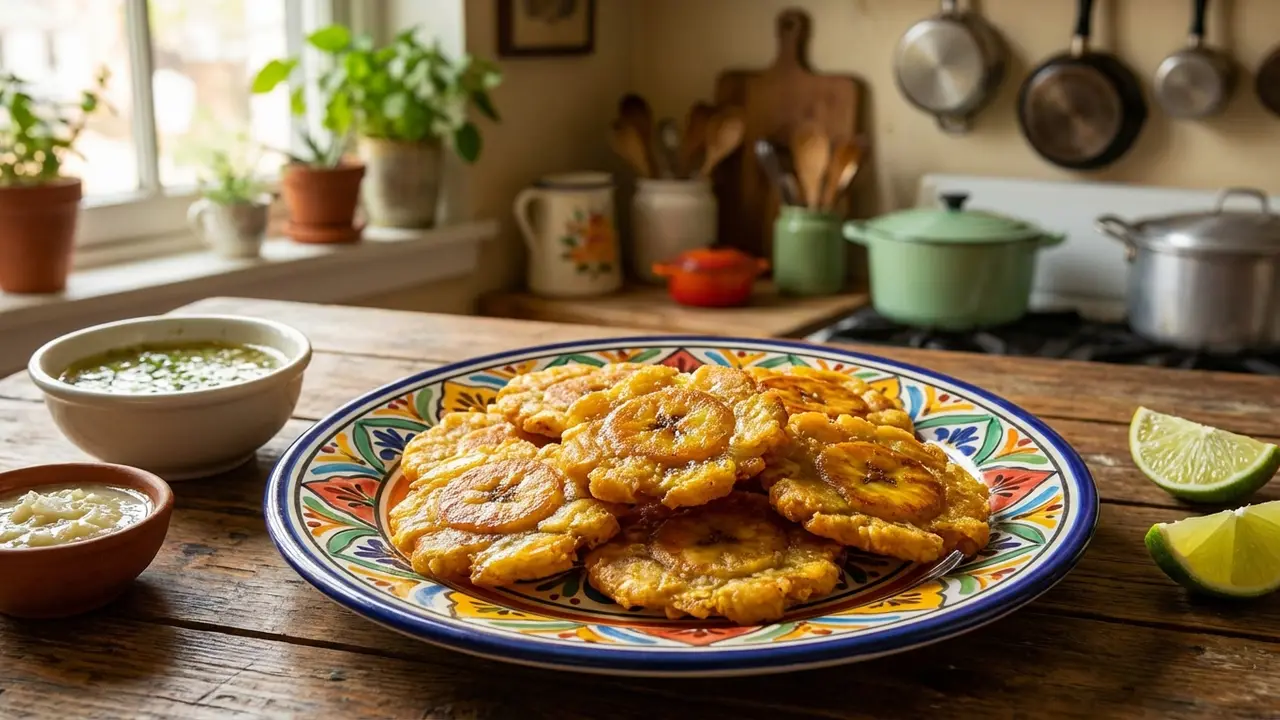
Illustration: Aroma de Cuba (AI)
At any self-respecting Cuban table, tostones hold a place of honor. These golden discs of green plantain, crispy on the outside and tender within, are far more than a side dish—they’re a symbol of Creole cuisine that has won hearts from Havana to Miami.
The History Behind the Fried Plantain
Plantains arrived in Cuba from the Canary Islands in the 16th century, and Cubans quickly made them a star of their gastronomy. The twice-frying technique—first to cook, then to crisp—likely has African roots, brought by enslaved people who worked the plantations.
The name “tostón” comes from the Spanish verb “tostar” (to toast), though in other Caribbean countries they’re known as patacones or fritos verdes. In Cuba, they’re simply tostones, and every family guards their own secret for making them perfect.
Ingredients
For about 12-16 tostones you’ll need:
- 3 large green plantains
- Vegetable oil for frying (enough to cover 1.5 inches)
- Salt to taste
- 1 cup water with 2 tablespoons salt (for soaking)
For traditional mojo (optional but highly recommended)
- 8 garlic cloves
- ½ cup olive oil
- ¼ cup sour orange juice (or half lime, half orange juice)
- Salt and pepper to taste
The Recipe Step by Step
1. Prepare the Plantains
Cut off both ends of the plantain and make a shallow cut along the length of the peel. Remove the skin (if it’s stubborn, soak in warm water for 5 minutes). Cut into 1.5-inch thick rounds.
2. First Fry
Heat oil over medium heat (about 340°F). Fry the rounds 4-5 minutes per side until lightly golden but still soft. They shouldn’t be crispy yet.
3. Flatten
Remove and place on paper towels. While still hot, flatten them with a tostonera, the bottom of a glass, or a cutting board. Ideal thickness is about ½ inch.
Cuban trick: Briefly dip the flattened tostones in salted water. This makes them crispier and seasons them from within.
4. Second Fry
Raise heat to medium-high (360-375°F). Fry the flattened tostones 2-3 minutes per side until golden and crispy. Drain on paper towels and salt immediately.
The Mojo: The Soul of the Tostón
Crush garlic with salt in a mortar. Heat olive oil until warm but not smoking, pour over the crushed garlic, and add the sour orange juice. The mixture should sizzle. Serve hot over tostones or as a dipping sauce.
Modern Variations
Cuban restaurants in Miami have innovated with tostones in creative ways:
- Stuffed tostones: Made cup-shaped and filled with ropa vieja, picadillo, or seafood
- Tostones al ajillo: Bathed in garlic sauce like shrimp scampi style
- Tostone burger: Using large tostones as “buns” for burgers
At La Carreta in Miami or the legendary Versailles, tostones remain the same as always: crispy, generously salted, and served with that mojo that’s pure bottled nostalgia.
Tips from a Cuban Kitchen
- Choose very green plantains — If they have yellow spots, they’ll be hard to flatten
- Don’t rush the first fry — The interior must cook completely
- Salt while hot — Salt adheres better to hot oil
- Serve immediately — They lose their crunch within minutes
A Classic That Never Goes Out of Style
Whether accompanying lechón asado on Christmas Eve, served alongside black beans on any Sunday, or simply as a snack with an ice-cold Materva, tostones are Cuba in every bite.
Do you have your own family tostones recipe? Cuban cooking lives in those small variations that each household treasures.
Frequently asked questions
What's the difference between tostones and maduros?
Why are my tostones hard inside?
Can you make tostones in the oven?
What sauces go best with tostones?
How we got here
Background
The first thing we published on this topic.
Cuban Coffee Harvest Promises to Be the Best in Decades
The mountains of the Sierra Maestra produce an exceptional harvest thanks to new agricultural techniques.
Ropa Vieja: The Soul of Cuban Cuisine on a Plate
Discover the history, secrets, and traditional recipe of ropa vieja, Cuba's national dish that has conquered palates around the world.
Related articles
Cuban Tostones: The Art of Twice-Fried Green Plantains
Learn to make perfect tostones, the crispy side dish that defines the Cuban table. History, technique, and secrets.
Prú Oriental: Cuba's Most Refreshing Fermented Drink
Discover Prú Oriental, a traditional Cuban fermented beverage made with roots and herbs. History, recipe and ingredients of this Eastern Cuban treasure.
Cuban Vaca Frita: The Art of Turning Beef into Crispy Gold
Discover the history and recipe of vaca frita, the Cuban dish where shredded beef is fried until crispy and golden with garlic and lime.
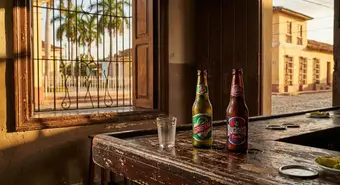
Cuban Beers: Cristal, Bucanero and Cuba's Brewing Tradition
Discover the history of Cuban beers, from La Tropical in 1888 to Cristal and Bucanero today. Brands, flavors, and where to find them.
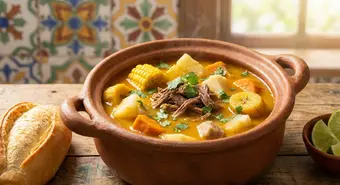
Ajiaco Cubano: The Soup That Defines Cuban Identity
History, ingredients, and recipe for Cuban ajiaco—the dish Fernando Ortiz called the perfect symbol of Cuban mestizo culture.
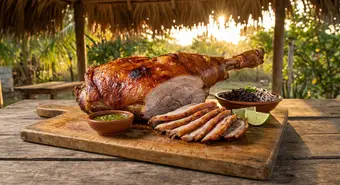
Cuban Lechón Asado: The King of Feasts and Family Traditions
Discover the history, techniques, and secrets of Cuban roast pork, the essential dish for Christmas Eve and family celebrations.