Cuban Vaca Frita: The Art of Turning Beef into Crispy Gold
Discover the history and recipe of vaca frita, the Cuban dish where shredded beef is fried until crispy and golden with garlic and lime.
4 min read
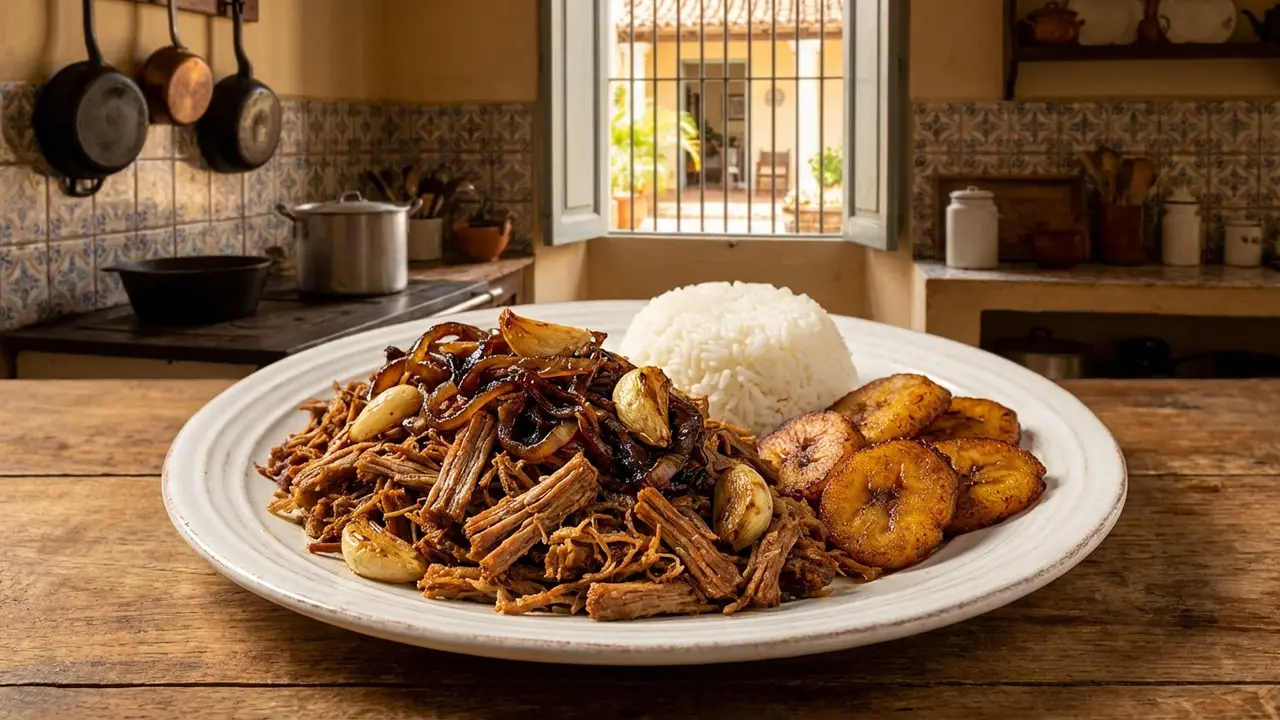
Illustration: Aroma de Cuba (AI)
In Cuban cuisine, there exists a particular alchemy: taking the humble and transforming it into the extraordinary. Vaca frita is the perfect example of this Cuban magic—a dish where the most fibrous meat becomes golden, crispy strands that crunch with every bite.
The Origin: Leftover Cooking
Vaca frita was born from necessity. In 19th-century Cuban kitchens, wasting food wasn’t an option. When boiled beef was left over from the previous day—perhaps from making broth or stew—clever cooks discovered that marinating it with garlic and lime, then frying it in hot lard, gave that dried-out meat new life with irresistible flavors and textures.
This dish shares roots with ropa vieja, both using the same flank steak cut. But while ropa vieja bathes in tomato sauce, vaca frita celebrates simplicity: garlic, lime, onion, and the heat of the pan.
Flank Steak: The Perfect Cut
The secret lies in the cut. Flank steak is a muscular piece from the posterior third of the animal, between the leg and shoulder. It’s fibrous and gelatinous meat that many would reject, but with slow cooking transforms beautifully:
- Long fibers that shred following the natural grain
- Abundant collagen that adds richness when cooked
- Intense flavor that concentrates when fried
According to Cuban food experts, this economical cut is the foundation of the dish’s authenticity.
The Technique: Boil, Marinate, Fry
Vaca frita is a three-act process:
Act 1: The Tenderizing
The beef is simmered over low heat with onion, garlic, and bay leaves for 2-3 hours until completely tender. The resulting broth is liquid gold—save it for soups or cooking rice.
Act 2: The Marinade
Once cool, the meat is shredded following the natural fiber (never against the grain). Then it’s bathed in a marinade of:
- Lime juice or sour orange
- Generously crushed garlic
- Salt and pepper
- A touch of cumin
Minimum 30 minutes, ideally overnight in the refrigerator.
Act 3: The Frying
This is where the magic happens. In a very hot pan with oil or lard, the marinated meat is fried without moving it until the edges brown and become crispy. Sliced onions are added and caramelize alongside the meat.
The result: crispy exterior, juicy interior, garlic and lime aroma perfuming the entire house.
Traditional Vaca Frita Recipe
Ingredients (4-6 servings)
For boiling:
- 2 lbs flank steak
- 1 large onion, quartered
- 6 garlic cloves
- 2 bay leaves
- Salt to taste
- Water to cover
For the marinade:
- Juice of 4 limes (or 2 sour oranges)
- 8 garlic cloves, crushed
- 1 teaspoon cumin
- Salt and pepper to taste
For frying:
- 4 tablespoons vegetable oil or lard
- 2 large onions, sliced into strips
Preparation
-
Boil the meat in water with onion, garlic, bay leaves, and salt for 2-3 hours until very tender. Let cool in the broth.
-
Shred the meat following the direction of the fibers. The strands should be long and defined.
-
Marinate the shredded meat with lime juice, crushed garlic, cumin, salt, and pepper. Refrigerate at least 30 minutes (overnight is better).
-
Heat the oil in a large skillet over high heat. When very hot, add the meat, draining excess marinade.
-
Don’t touch the meat for 3-4 minutes to let it brown. Then flip and repeat.
-
Add the onions and cook until translucent and slightly caramelized.
-
Serve immediately with white rice and fried sweet plantains.
The Perfect Accompaniments
Vaca frita demands:
- White rice to absorb the juices
- Maduros (sweet plantains) whose sweetness contrasts with the savory
- Black beans on the side (never on top, as in moros y cristianos)
- An extra lime wedge to squeeze when serving
Vaca Frita in the Diaspora
In Miami, vaca frita competes in popularity with ropa vieja. Restaurants like Versailles on Calle Ocho serve it as a star dish, with mountains of caramelized onions crowning the crispy meat.
The Miami version difference: larger portions, more oil in the frying, and sometimes an extra splash of mojo criollo when serving.
Modern Variations
Contemporary chefs have experimented with:
- Vaca frita tacos: The crispy meat in corn tortillas with avocado
- Vaca frita bowls: Over rice with beans, avocado, and pico de gallo
- Air fryer vaca frita: Less oil, same crispiness
But purists insist: a hot pan with good oil has no substitute.
The Final Secret
The perfect vaca frita has an impossible balance: crispy outside, juicy inside, with garlic and lime singing in every bite without overpowering the beef. It’s the dish that proves Cuban cooking doesn’t need luxury ingredients—it needs technique, patience, and knowing how to make the most of what you have.
As the Cuban saying goes: “From necessity, virtue.” Vaca frita is that virtue made into food.
Do you have your own version of vaca frita? More lime or more garlic? The debate is open.
Frequently asked questions
What is the difference between vaca frita and ropa vieja?
What cut of beef is best for vaca frita?
Why is it called vaca frita?
Can I make vaca frita with leftover beef?
How we got here
Background
The first thing we published on this topic.
Cuban Coffee Harvest Promises to Be the Best in Decades
The mountains of the Sierra Maestra produce an exceptional harvest thanks to new agricultural techniques.
Ropa Vieja: The Soul of Cuban Cuisine on a Plate
Discover the history, secrets, and traditional recipe of ropa vieja, Cuba's national dish that has conquered palates around the world.
Related articles
Cuban Tostones: The Art of Twice-Fried Green Plantains
Learn to make perfect tostones, the crispy side dish that defines the Cuban table. History, technique, and secrets.
Cuban Tostones: The Perfect Recipe for Crispy Plantain Bliss
Learn to make authentic Cuban tostones with this traditional recipe. Twice-fried green plantains, crispy outside, tender inside.
Prú Oriental: Cuba's Most Refreshing Fermented Drink
Discover Prú Oriental, a traditional Cuban fermented beverage made with roots and herbs. History, recipe and ingredients of this Eastern Cuban treasure.

Cuban Beers: Cristal, Bucanero and Cuba's Brewing Tradition
Discover the history of Cuban beers, from La Tropical in 1888 to Cristal and Bucanero today. Brands, flavors, and where to find them.
Ajiaco Cubano: The Soup That Defines Cuban Identity
History, ingredients, and recipe for Cuban ajiaco—the dish Fernando Ortiz called the perfect symbol of Cuban mestizo culture.
Cuban Lechón Asado: The King of Feasts and Family Traditions
Discover the history, techniques, and secrets of Cuban roast pork, the essential dish for Christmas Eve and family celebrations.