Cuban Tamales: From Fresh Corn to Cazuela, a Living Tradition
Discover Cuban tamales en hoja and en cazuela, their pre-Columbian roots, traditional recipe, and what makes them unique from Mexican tamales.
3 min read
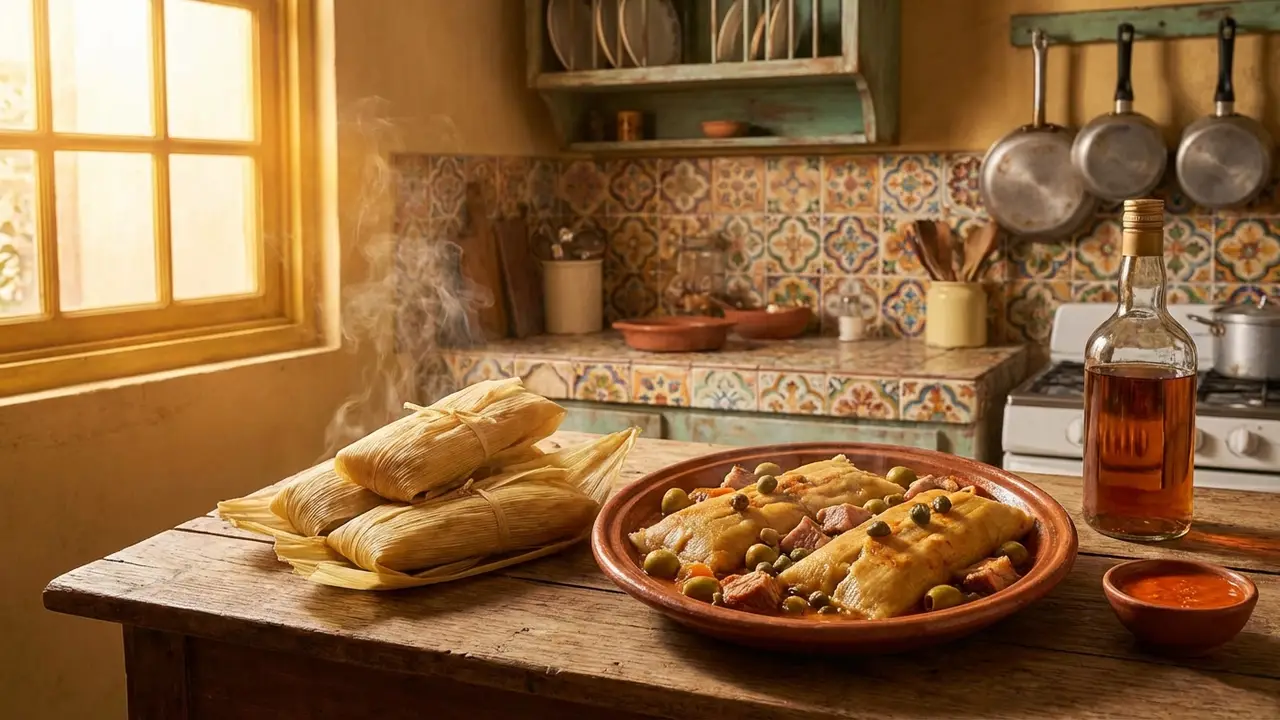
Illustration: Aroma de Cuba (AI)
The tamal: pre-Columbian heritage on a Cuban table
Few things stir Cuban nostalgia like the aroma of tamales cooking. That sweet steam escaping from the pot — a blend of tender corn, seasoned pork, and mojo criollo — is an instant trip to grandma’s kitchen.
Tamales are among the oldest foods in the Americas, dating back to Maya and Aztec civilizations where corn was sacred. When they reached the Caribbean, they transformed. Cuba made them its own with a technique that sets them apart from every other tamale on the continent: the meat is mixed into the dough, not used as a filling.
Two paths, one flavor
Cuba has two classic ways to prepare tamales:
Tamal en hoja (wrapped tamale)
The classic. Fresh grated corn dough is mixed with a pork sofrito, wrapped in corn husks (or banana leaves), tied with strips of the husk itself, and steamed in boiling water. The result is an aromatic package you unwrap like a gift.
Tamal en cazuela (tamale casserole)
The practical version, beloved in Cuban homes. The same corn dough cooks with pork and sofrito directly in a pot — no wrapping required. It’s a thick, comforting stew, perfect for when there’s no time (or patience) to tie dozens of tamales.
As the famous cha-cha-chá “Los Tamalitos de Olga” by Orquesta Aragón celebrates, street tamale vendors were a Cuban institution — hawking their wares through the streets of Cienfuegos and Havana.
Traditional Cuban tamale ingredients
The base is simple but demands fresh produce:
- Fresh tender corn (mazorcas frescas, grated or ground) — not dried corn flour
- Pork in small chunks
- Cuban sofrito: onion, bell pepper, garlic, tomato
- Lard for authentic flavor
- Cumin, oregano, salt, and pepper
- Corn husks for wrapping (en hoja version)
The key is the corn: it must be tender, freshly picked. In Miami, spots like Casa de los Jugos sell fresh ground corn ready to use. In Cuba, hand-grating the ears remains part of the ritual.
Recipe: Cuban tamal en cazuela
The most accessible version, perfect for beginners:
- Make the sofrito: sauté chopped onion, green pepper, crushed garlic, and tomato in lard until golden
- Cook the pork: add pork chunks to the sofrito with cumin, oregano, and salt. Brown well
- Add the corn: stir in the grated fresh corn dough (or pre-cooked corn flour if fresh isn’t available) with enough broth
- Simmer: stir constantly for 30-40 minutes until thickened and the corn is cooked through
- Serve hot with a drizzle of mojo on top
Tamales in Cuban culture
Tamales aren’t just food — they’re a social event. Making tamales in Cuba is communal: the whole family gathers to grate, mix, wrap, and tie. Hours of work that become a party.
At patron saint festivals, the Santiago de Cuba carnival, and family celebrations, tamales are mandatory alongside roast pork and moros y cristianos.
Where to try authentic Cuban tamales
- In Cuba: look for street vendors in any city, especially in eastern provinces
- In Miami: Versailles, Casa de los Jugos, and practically any Cuban ventanita
- At home: with fresh corn and patience, the result beats any restaurant
Cuban tamales are proof that the most memorable cooking comes from humble ingredients and generous hands. From the sacred corn of ancient Americans to a cazuela in a Centro Habana kitchen, every bite tells centuries of history.
Frequently asked questions
What's the difference between Cuban and Mexican tamales?
What is tamal en cazuela?
Where do Cuban tamales come from?
How long does it take to make Cuban tamales?
How we got here
Background
The first thing we published on this topic.
Cuban Coffee Harvest Promises to Be the Best in Decades
The mountains of the Sierra Maestra produce an exceptional harvest thanks to new agricultural techniques.
Ropa Vieja: The Soul of Cuban Cuisine on a Plate
Discover the history, secrets, and traditional recipe of ropa vieja, Cuba's national dish that has conquered palates around the world.
Related articles
Cuban Tropical Fruits: Mamey, Soursop and Caribbean Treasures
Guide to Cuba's most iconic tropical fruits: mamey sapote, soursop, custard apple, star apple and more. Flavors, history and where to buy.
Cuban Ham Croquetas: From Spain to Miami, the Perfect Bite
History, traditional recipe, and secrets of Cuban croquetas de jamón — the crispy snack that traveled from France to Spain and conquered Cuba.
Picadillo a la Habanera: Cuba's Most Beloved Everyday Dish
The history, traditional recipe, and secrets of Cuban picadillo — the humble ground beef dish that conquered every table in Cuba.
Cuban Organic Honey: The Caribbean's Golden Treasure Conquering Europe
Cuba produces 100% organic honey without pesticides. Discover why Cuban honey is conquering European markets and its beekeeping history.

Cuban Guava Pastelitos: The Flaky Pastry That Stole Miami's Heart
History, recipe, and secrets of Cuban pastelitos de guayaba y queso. From golden puff pastry to guava filling, Cuba's most addictive sweet bite.
Essential Cuban Condiments: Sour Orange, Bijol, and Adobo Criollo
Complete guide to the Cuban condiments that define our cuisine: sour orange, bijol, adobo criollo, cumin, and oregano.