Cuban Coconut Sweet: The Traditional Dessert That Tastes Like Home
Learn to make authentic Cuban dulce de coco with this traditional recipe, its history from Baracoa, and delicious variations.
4 min read
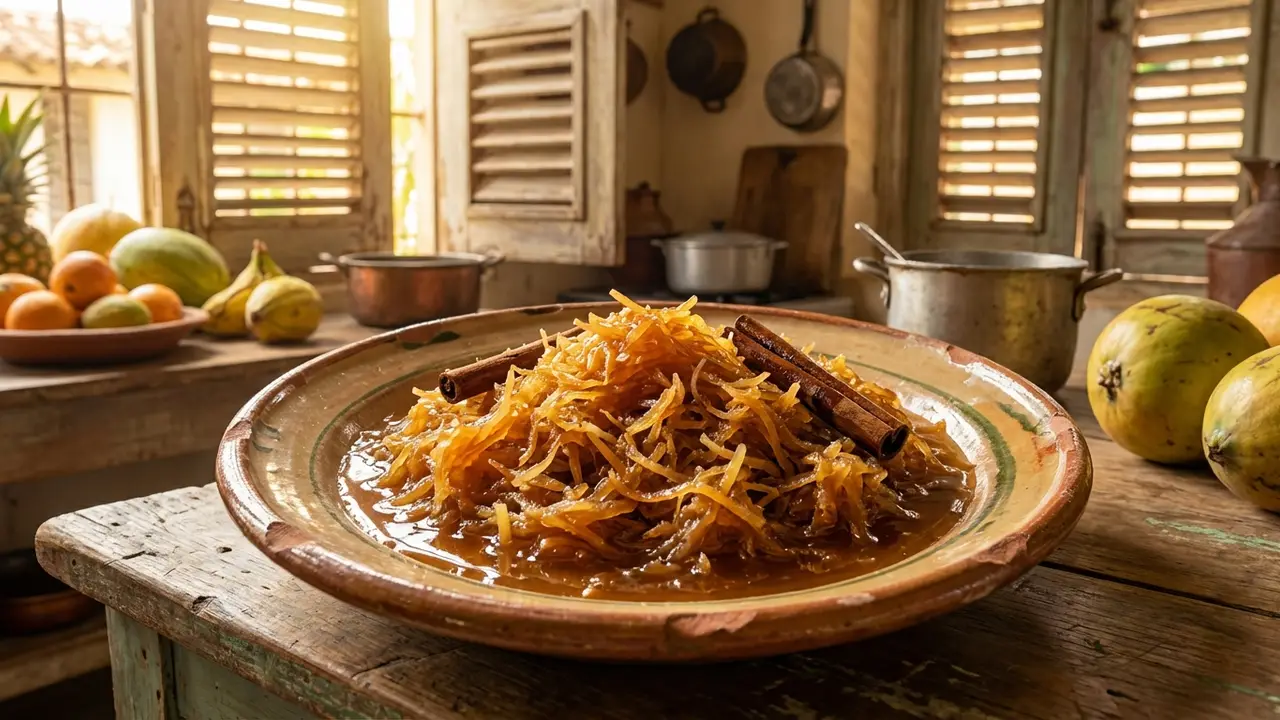
Illustration: Aroma de Cuba (AI)
Some desserts feed you, and some desserts hold you. Cuban dulce de coco belongs to the second kind — a sweet that wraps your senses in cinnamon warmth, golden shredded coconut, and a syrup that glows like liquid tropical amber.
From Baracoa — Cuba’s coconut capital — to the ventanitas of Miami, this dessert has crossed generations, oceans, and borders without losing a single gram of authenticity.
A History of Sugarcane and Coconut
Cuban coconut sweet arrived on the island through two paths. Spanish confectionery traditions brought the custom of cooking fruits in syrup. Meanwhile, the abundance of coconut palms in eastern Cuba and the omnipresence of sugarcane created the perfect conditions for something uniquely Cuban to emerge.
In the Baracoa region of Guantánamo province, coconut is almost sacred. There, locals craft the famous cucuruchos de coco: coconut sweet wrapped in royal palm leaves shaped into cones, sold along roadsides like edible treasures. This tradition dates back to the 19th century, when small producers used the coconut harvest to create sweets that preserved well in the tropical climate.
The Traditional Recipe
Ingredients
- 2 fresh coconuts (or 3 cups shredded coconut)
- 2 cups white sugar
- 1 cup water (or the coconut’s own water)
- 1 cinnamon stick
- Zest of 1 lime
- 1 pinch of salt
- 1 teaspoon vanilla (optional)
Instructions
-
The coconut: If using fresh coconut, crack it open, extract the flesh, and finely shred it. Save the coconut water — it’s liquid gold for this recipe.
-
The syrup: In a heavy pot (ideally a Cuban caldero), combine sugar, water, cinnamon stick, and lime zest. Cook over medium heat until the sugar dissolves completely and forms a light syrup.
-
The union: Add the shredded coconut to the syrup. Stir well and reduce heat to medium-low.
-
The patience: Cook for 30 to 40 minutes, stirring frequently to prevent sticking. The sweet is ready when the syrup has reduced considerably and the coconut has a brilliant golden tone.
-
The finishing touch: Remove from heat, add vanilla, and let cool in the pot.
Grandmother’s tip: The perfect point is when you drag the spoon through the center of the pot and the sweet takes a few seconds to come back together.
Delicious Variations
Dulce de Coco in Syrup
The juiciest version. Cook it less time to keep plenty of liquid. Serve cold with cream cheese on top — the sweet-salty combination is spectacular.
Dulce de Coco with Condensed Milk
The most indulgent version. Replace part of the water with condensed milk, and you get a creamy, glossy, intensely sweet dessert. Popular at Cuban birthday parties.
Cucurucho from Baracoa
The most iconic coconut sweet from eastern Cuba. The coconut is mixed with fruits like guava, orange, and papaya, then wrapped in a royal palm leaf formed into a cone. UNESCO has recognized Baracoa as a Biosphere Reserve, and the cucurucho is an inseparable part of its gastronomic identity.
Perfect Pairings
Cuban coconut sweet is versatile at the table:
- With cream cheese — the classic Cuban contrast
- Over María crackers — a childhood snack
- With vanilla ice cream — cold against warm sweetness
- Alongside a Cuban cafecito — the perfect after-dinner pairing
- With Cuban natilla — double dessert for special occasions
- After a Cuban flan — the complete dessert spread
Coconut in Cuban Culture
Coconut is far more than an ingredient in Cuba. In Cuban Santería, coconut is used for the Biagué oracle, a divination system where four coconut pieces are cast to consult the orishas. The phrase “darle coco” means to think deeply about something.
In music, coconut appears in countless sones and guarachas. And in Cuban slang, “estar en el coco” means being obsessed with something.
A Dessert That Is Memory
Every Cuban family has their own version of dulce de coco. Some make it drier, others more liquid. Some add orange zest, others use brown sugar. But they all share something: the act of slowly stirring the pot while the kitchen fills with that unmistakable aroma of coconut, cinnamon, and caramel.
This is a dessert that isn’t measured in grams or minutes. It’s measured in conversations, in laughter around the stove, in that first bite that transports you straight to that kitchen where someone, with all the love in the world, was stirring the pot just for you.
Because in Cuba, dulce de coco isn’t cooked — it’s loved.
Frequently asked questions
How long does Cuban coconut sweet last?
Can I use dried shredded coconut instead of fresh?
What is the difference between dulce de coco and cocada?
What is a cucurucho from Baracoa?
How we got here
Background
The first thing we published on this topic.
Cuban Coffee Harvest Promises to Be the Best in Decades
The mountains of the Sierra Maestra produce an exceptional harvest thanks to new agricultural techniques.
Ropa Vieja: The Soul of Cuban Cuisine on a Plate
Discover the history, secrets, and traditional recipe of ropa vieja, Cuba's national dish that has conquered palates around the world.
Related articles
Torticas de Morón: Cuba's Beloved Lime-Scented Shortbread Cookies
Authentic recipe for torticas de Morón, traditional Cuban shortbread cookies with lime zest from Ciego de Ávila province.
Cuban Ham Croquettes: Traditional Recipe and Secret Ingredients
Learn to make authentic Cuban croquetas de jamón — crispy outside, creamy inside. Step-by-step recipe with the secrets of Cuban home cooking.
Cuban Preserves: Jams, Jellies, and Tropical Fruits in Syrup
Guide to traditional Cuban preserves: guava shells in syrup, mango jam, papaya dulce, and more tropical fruit conservas.
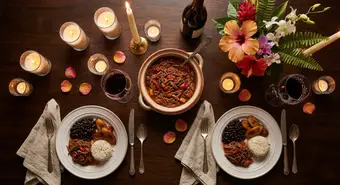
Romantic Cuban Dinner: Recipes to Fall in Love on Valentine's Day
Plan a romantic Cuban dinner with irresistible recipes: from appetizers to desserts, the perfect Valentine's Day menu.
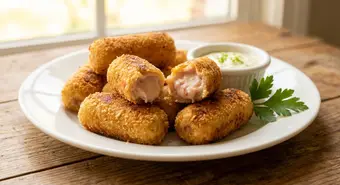
Cuban Ham Croquetas: From Spain to Miami, the Perfect Bite
History, traditional recipe, and secrets of Cuban croquetas de jamón — the crispy snack that traveled from France to Spain and conquered Cuba.
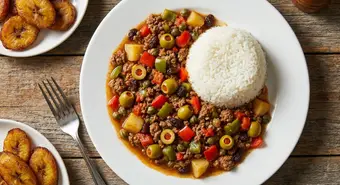
Picadillo a la Habanera: Cuba's Most Beloved Everyday Dish
The history, traditional recipe, and secrets of Cuban picadillo — the humble ground beef dish that conquered every table in Cuba.