Cuban Quimbombó: The African Stew That Conquered the Island
Traditional Cuban quimbombó recipe with pork and plantain. Afro-Cuban history, tips to reduce okra slime, and regional variants across Cuba.
5 min read
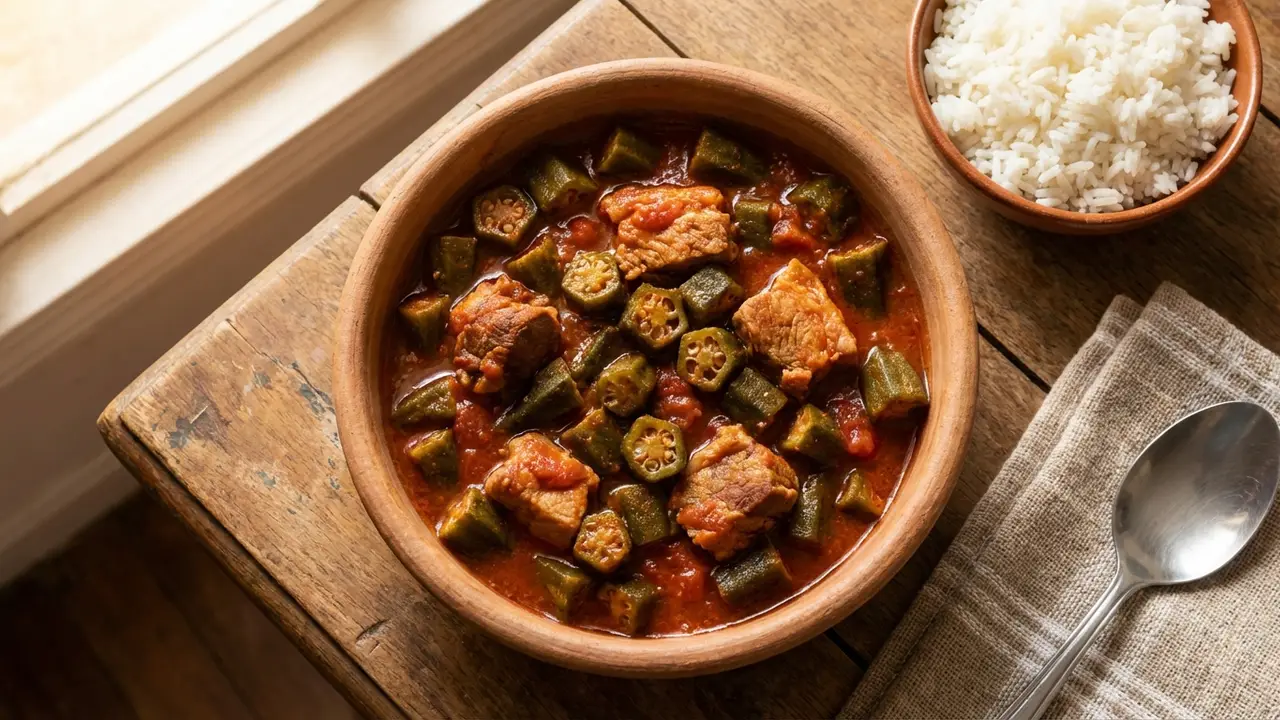
Illustration: Aroma de Cuba (AI)
¡Ay! qué sabroso el quimbombó, señores, cocinado con harina, con camaroncito seco y con carne de gallina…
So sang Félix Chapottin in his legendary son, and so hummed our grandmothers while stirring the caldero. Quimbombó isn’t just a stew — it’s a direct bridge between Africa and Cuba, a dish that arrived on slave ships and became one of the most authentic expressions of Creole cooking.
From Africa to the Cuban caldero
Okra (Abelmoschus esculentus) crossed the Atlantic during the transatlantic slave trade, likely hidden among the seeds and provisions aboard slave ships. Enslaved Africans, torn from their lands but not their culture, recreated their homeland’s stews in Cuba with whatever ingredients the island offered.
The word quimbombó comes from the Bantu kingombo (which also gave English the word gumbo), and the dish took especially deep root in Cuba’s eastern provinces — Santiago de Cuba, Guantánamo, Holguín — where African presence was strongest due to the sugar cane plantations.
More than food: a sacred dish
What sets quimbombó apart from other Cuban stews like ajiaco or caldosa is its religious dimension. In Cuban Santería, quimbombó is a prized offering to Changó, the orisha of thunder, justice, and virility. It also appears in ceremonies honoring other orishas, with its ritual preparation following rules passed down through generations.
This dual identity — everyday dish and sacred food — gives quimbombó a unique status on the Cuban table. It’s not uncommon to hear elders say that “quimbombó has ashé,” that vital force in the Yoruba worldview connecting the human and the divine.
The eternal debate: the slime
Let’s address the elephant in the room (or rather, the baba in the caldero). Okra’s mucilaginous texture divides Cubans like few things in the kitchen. For some, it’s an essential part of the dish; for others, an obstacle to overcome.
Cuban tricks for reducing the slime are many:
- Lemon or vinegar: soak cut okra in water with lemon juice for 15-20 minutes
- High heat: sear okra quickly in hot oil before adding liquid
- Don’t cover: cook uncovered for the first few minutes to let moisture escape
- Thick cuts: thicker rounds release less mucilage than thin slices
- Tomato: the acidity of tomato sauce also helps cut the texture
The truth is that a good quimbombó will always have some of that silky texture. It’s part of its character, like the espuma on Cuban coffee or the crunch of tostones.
Recipe: Cuban quimbombó with pork and plantain
Ingredients (6-8 servings)
- 1 kg fresh okra, washed and cut into 2 cm rounds
- 500 g pork ribs, cut into pieces
- 3 limes (juice)
- 3 cups water or pork broth
- 1 large onion, diced
- 4 garlic cloves, crushed
- 1 green pepper, diced
- 1 cup tomato sauce
- ½ cup dry cooking wine
- 2 green plantains, cut into thick rounds
- 1 teaspoon oregano
- ½ teaspoon cumin
- Salt and pepper to taste
- 3 tablespoons olive oil
Instructions
-
Prep the okra: Soak okra rounds in water with the juice of 3 limes for 20 minutes. Drain well and pat dry.
-
Sear the pork: In a large caldero or Dutch oven, heat oil over medium-high heat. Brown pork ribs on all sides (about 5 minutes). Set aside.
-
The sofrito: In the same fat, sauté onion, garlic, and pepper until golden and fragrant (3-4 minutes).
-
Add the okra: Raise heat and add drained okra. Sauté for 5 minutes uncovered, stirring frequently.
-
Combine everything: Return pork to the pot. Add tomato sauce, wine, oregano, cumin, salt, and pepper. Pour in water or broth.
-
Slow cook: Lower heat, cover, and cook for 45 minutes, stirring occasionally.
-
The plantain: Add green plantain rounds during the last 15 minutes of cooking. Adjust seasoning.
-
Serve: Quimbombó is served hot over white rice, which soaks up the thick broth and completes the dish.
Regional variants
Cuba is a long island, and every region has its version:
- Oriente (Santiago, Guantánamo): With tasajo (dried salted beef) and plantain balls. The most African version and the oldest.
- Havana: With pork and plenty of tomato sauce. More urban, more Creole.
- Camagüey: With chicken instead of pork, and a splash of beer in the broth.
- Miami: The diaspora version uses country-style pork ribs and sometimes adds crumbled chicharrones on top.
Quimbombó in Cuban music
Few Cuban dishes have such a presence in music. Beyond Chapottin’s classic, quimbombó appears in sones, guarachas, and rumbas. It’s no coincidence: the connection between Afro-Cuban cooking and Afro-Cuban music runs deep. Both were born in the same slave barracks, survived in the same Havana tenements, and flourished in the same culture that defines Cuba today.
As the son goes: quimbombó que resbala pa’ la yuca seca. A dish that slides between the everyday and the sacred, between Africa and the Caribbean, between grandmother’s caldero and your dinner table.
Have you made quimbombó at home? The secret is in the lime, the patience, and those grandmother’s hands that always knew when it was ready.
Frequently asked questions
How do you reduce the slime in Cuban okra stew?
What is the origin of quimbombó in Cuba?
What meat is used in Cuban quimbombó?
What is the connection between quimbombó and Santería?
How we got here
Background
The first thing we published on this topic.
Cuban Coffee Harvest Promises to Be the Best in Decades
The mountains of the Sierra Maestra produce an exceptional harvest thanks to new agricultural techniques.
Ropa Vieja: The Soul of Cuban Cuisine on a Plate
Discover the history, secrets, and traditional recipe of ropa vieja, Cuba's national dish that has conquered palates around the world.
Related articles
Cuban Sofrito: The Best-Kept Secret of Creole Cooking
Learn what Cuban sofrito is, its history, essential ingredients, and how to make it to transform any Cuban dish.
Cuban Arroz con Leche: The Creamy Rice Pudding That Holds Memory
Traditional Cuban arroz con leche recipe with condensed milk, cinnamon, and lemon peel. History, tips, and variations of this beloved Cuban dessert.
Guayabita del Pinar: Cuba's Most Exclusive Artisanal Liqueur
Discover Guayabita del Pinar, the unique Cuban liqueur made from wild mini guavas. History, varieties, tasting tips, and where to find it.
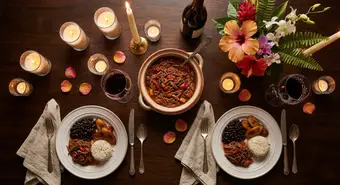
Romantic Cuban Dinner: Recipes to Fall in Love on Valentine's Day
Plan a romantic Cuban dinner with irresistible recipes: from appetizers to desserts, the perfect Valentine's Day menu.
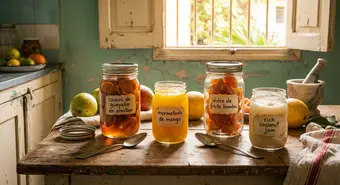
Cuban Preserves: Jams, Jellies, and Tropical Fruits in Syrup
Guide to traditional Cuban preserves: guava shells in syrup, mango jam, papaya dulce, and more tropical fruit conservas.
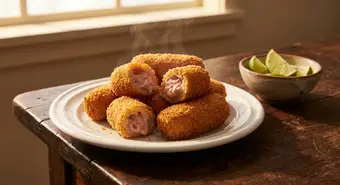
Cuban Ham Croquettes: Traditional Recipe and Secret Ingredients
Learn to make authentic Cuban croquetas de jamón — crispy outside, creamy inside. Step-by-step recipe with the secrets of Cuban home cooking.