Osdany Morales Wins Inaugural Poetry in Translation Prize
Cuban writer from Nueva Paz wins prestigious international poetry award with Security Questions collection.
4 min read
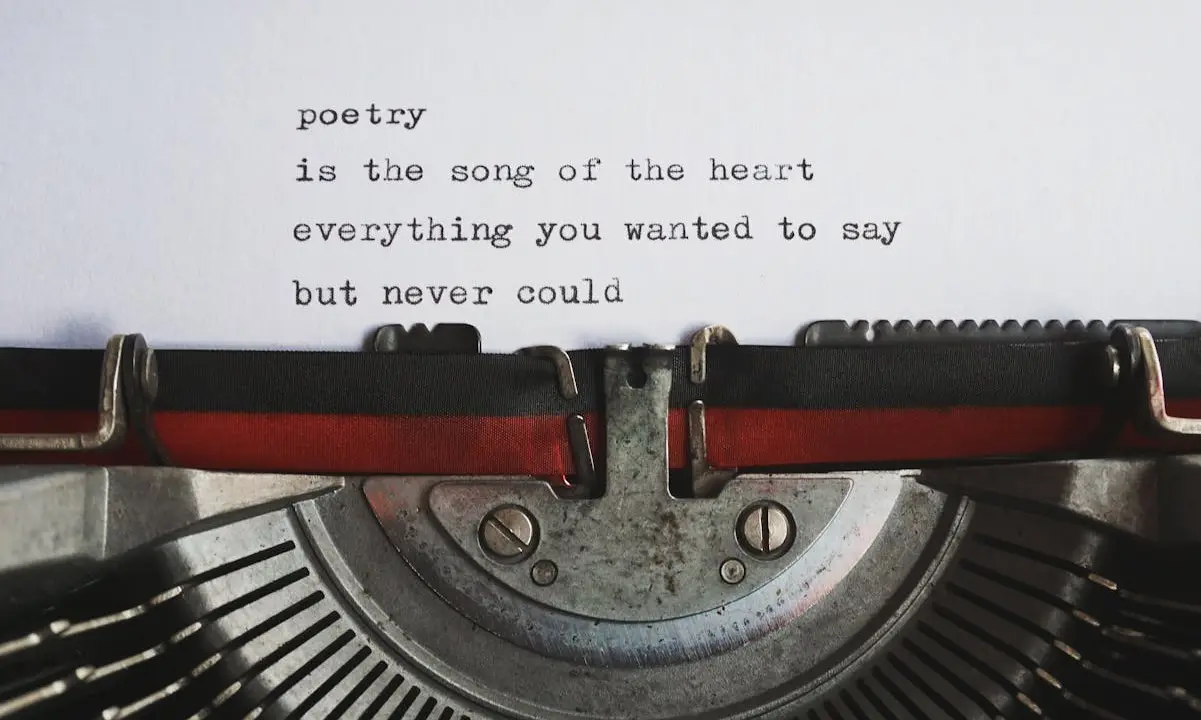
Cuban writer Osdany Morales has been announced as the inaugural winner of the Poetry in Translation Prize, a new prestigious biennial award for poetry translated into English. His collection Security Questions, translated from Spanish by Harry Bauld, was selected from 259 submissions.
A Poet Born from Exile
Morales was born in Nueva Paz, Cuba, in 1981, a small town in Mayabeque province. Before turning to poetry, he was known primarily as a fiction writer. His short story collections Minuciosas puertas estrechas (2007) and Antes de los aviones (2013) earned him recognition in the Spanish-speaking literary world.
In 2012, his novel Papyrus received the prestigious Alejo Carpentier Prize, one of the most important awards in Cuban letters. But it was exile that transformed him into a poet.
“Before arriving in the US, I had written only fiction. If it weren’t for this book, it would have taken me much longer to reach the lands of memory,” Morales explains. “It was through writing poetry that I realized I carried many memories in literary form.”
The Questions That Define an Identity
Security Questions (originally El pasado es un pueblo solitario, published in Cuba by Bokeh in 2015) employs a brilliant poetic device: the security questions that every immigrant must answer when establishing their digital identity in a new country.
Seemingly innocent questions like “What was the name of your first pet?” or “What street did you grow up on?” become portals to memory, trauma, and the reconstruction of an identity fragmented by exile.
As translator Harry Bauld describes it:
“The poems are, on the one hand, a lyric sequence shaped by coming of age in small-town Cuba during the late stages of Fidel Castro’s regime, and on the other a testament of exile and immigration, traces that remain in the wake of forsaking a problematic homeland for the uncertainties of the present.”
A Chance Encounter Between Poet and Translator
The collaboration between Morales and Bauld was born from serendipity. Both worked at the same school when Bauld discovered his new colleague was a Cuban writer. Curious, he searched for his poems online.
“They spoke to me. I did a translation of one, and by way of introduction and welcome sent it to him,” Bauld recalls. “He paid me the compliment of saying how strange it was to ‘hear my own voice in English.’”
A Tripartite Prize with Global Reach
The Poetry in Translation Prize is a unique collaboration between three independent publishers from different continents:
- Giramondo Publishing (Australia and New Zealand)
- Fitzcarraldo Editions (UK and Ireland)
- New Directions (North America)
Winners receive an advance of $5,000 USD, split equally between poet and translator, followed by simultaneous publication across all three territories in early 2027.
Rachael Allen, poetry editor at Fitzcarraldo Editions, noted: “We kept returning to these poems over the course of the reading period, and were struck continually with their newness, their humour, their prescience and their timelessness. They feel, sadly, stunningly pertinent.”
Nueva Paz’s Literary Tradition
Nueva Paz, Morales’ birthplace, is a small agricultural town that rarely appears on literary maps. But like so many Cuban writers before him—from Nicolás Guillén to Reinaldo Arenas—Morales proves that great literature can emerge from the island’s most unexpected corners.
His trajectory includes:
- David Prize 2006 for Minuciosas puertas estrechas
- International Casa de Teatro Prize 2008 (Dominican Republic)
- Alejo Carpentier Prize 2012 for Papyrus
- MFA in Creative Writing from New York University
”Exile and Poetry Made Me Look Inward”
For Morales, poetry wasn’t a choice but a necessity born from displacement:
“Exile had established a past I could already recount without waiting for old age. Exile and poetry made me look not exactly backward, but inward.”
This introspection forced by geographic and emotional distance from Cuba results in poetry that, according to the judges, “necessarily documents the context of a specific time and place, while transcending its specifics as a reminder of the absurd semiotic brutality of all borders.”
A Cuban Voice in the Global Literary Landscape
With Security Questions, Osdany Morales joins a growing constellation of Cuban writers who have found international recognition while writing from exile. His poetry, born from the questions a computer asked him upon arriving in the United States, has become a universal testament to the immigrant experience.
The publication of Security Questions in 2027 will be, as Nick Tapper from Giramondo describes it, “an important event” in literature translated into English.
To read some poems from Security Questions in English, visit ANMLY where Harry Bauld has published translations.
Frequently asked questions
Who is Osdany Morales?
What is the Poetry in Translation Prize?
What is Security Questions about?
When will Security Questions be published in English?
How we got here
Background
The first thing we published on this topic.
Cuban Music Conquers the Latin Grammys
Cuban artists sweep the ceremony with awards in multiple tropical music categories.
Old Havana Restoration Reaches a New Milestone
Rehabilitation work in the historic quarter reveals colonial frescoes from the 18th century.
Related articles
The Cuban Tres: The Instrument That Forged the Soul of Son
From Baracoa to world stages: the history of the Cuban tres and Pancho Amat, the master bringing its sound across Europe in 2026.
Digna Guerra and the Cuban National Choir: 50 Years of Excellence
Maestra Digna Guerra has led Cuba's National Choir for 50 years. Founded by Che and Camilo, discover its revolutionary origins and legacy.
Cuban Handicrafts: A Complete Guide to Traditions and Artisan Crafts
Cuban handicrafts: Taíno ceramics, embroidered textiles, woodcarving and musical instruments.
Cuban Rumba: UNESCO Intangible Cultural Heritage of Humanity
Discover Cuban rumba, its three styles (yambú, guaguancó, columbia), and why UNESCO declared it Intangible Cultural Heritage in 2016.

Aída y Vuelta Conquers Miami: Why Cuba Loves This Spanish Series
The iconic Spanish sitcom's film triumphs in Miami. Paco León: 'Cubans are more Aída than Spaniards.'
Cuban Santería: The Orishas and Syncretism That Define Cuba
Discover Cuban Santería, the Afro-Cuban religion blending Yoruba traditions with Catholicism. Orishas, rituals, and cultural influence.