Trump Promises Deal with Cuba: Impact on Migration
President Trump signals willingness to negotiate with Cuba as the island faces collapse. Analysis of the migration impact.
4 min read
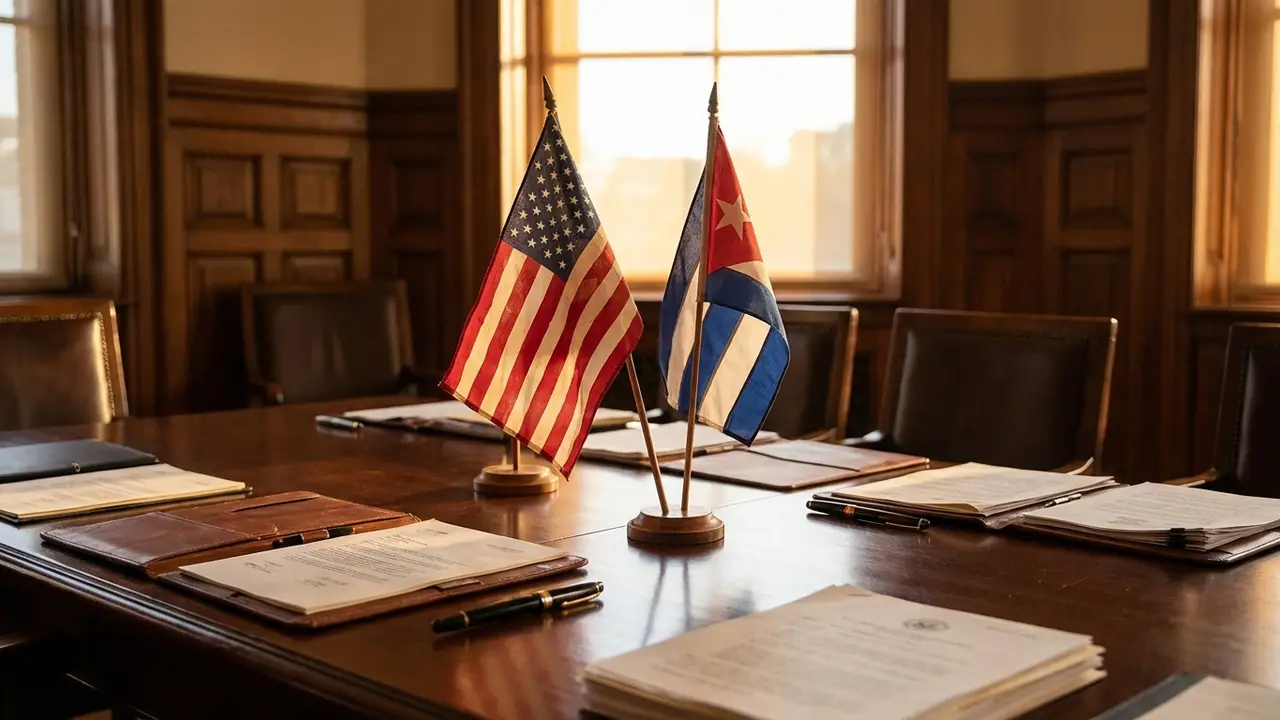
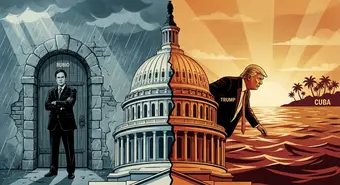
Illustration: Aroma de Cuba (AI)
Trump Opens the Door to a Historic Deal with Cuba
“We’ll work a deal. We’re going to work a deal with Cuba.” With those words, spoken on January 31 aboard Air Force One, President Donald Trump surprised many by signaling his willingness to negotiate directly with Havana.
The statement comes at a critical moment: Cuba faces its worst crisis since the Special Period of the 1990s, and the implications for millions of Cubans — both on the island and in the diaspora — could be enormous.
An Island on the Brink
The situation in Cuba is dire. Twelve-hour blackouts paralyze the country. Hospitals lack medicine, bedsheets, and even surgical instruments. The island ran out of jet fuel last week, grounding international flights.
After U.S. Special Forces captured Venezuelan President Nicolás Maduro in January, Cuba lost its main ally and oil supplier. Mexico and Venezuela have shut off supplies under Washington’s pressure, and the six-decade economic embargo continues to strangle the economy.
What Would a Deal Mean for Migration?
For Cubans seeking to emigrate, a potential deal presents a contradictory picture:
Positive scenario: Lifting the embargo could stabilize Cuba’s economy, reducing migration pressure. Greater private investment, access to fuel, and normalized trade could slow the mass exodus that has seen over 2 million Cubans leave the island in recent years.
Concerning scenario: Deportations could accelerate as part of diplomatic concessions. The first deportation flight of 2026 already returned 170 Cubans on February 9, and the Trump administration has intensified expulsions, including using Guantánamo as a temporary detention facility.
The Rubio Factor
Marco Rubio, Secretary of State and the son of Cuban parents raised in Miami, has historically been one of the fiercest hawks against Havana’s regime. However, according to Miami journalist Lizette Álvarez writing in the Washington Post, “he’ll do what Trump tells him to do.”
Even more telling: even if Rubio accepts a softer deal than he’d prefer, Miami’s exile community would likely accept it too. The political dynamics have shifted after decades of hardline failure.
Nicaragua Closes the Last Viable Route
While deals are discussed in Washington, options for Cubans seeking to emigrate are shrinking dramatically. Nicaragua revoked visa-free entry for Cubans on February 8, shutting down the Managua air corridor that over 100,000 Cubans used since 2021 to reach the U.S. southern border.
The only remaining alternative — flying to Guyana and crossing the Darién Gap — is significantly more dangerous and expensive, leaving tens of thousands of would-be migrants with no viable options.
What Kind of Deal?
According to analysts, the model could follow the Venezuela precedent: the U.S. would lift the embargo in exchange for gradual reforms in Cuba, including:
- Release of political prisoners
- Elimination of restrictions on private investment
- Freedom of press and expression
- Open elections in the medium term
Hugo Cancio, a Cuban-American businessman who regularly deals with Cuban officials, summed it up: “It’s time for Cuba to talk. It’s no longer reasonable to keep asking for sacrifices from a people already living at the limit to sustain a dysfunctional system of government.”
For the Diaspora: Hope with Caution
For the nearly 45,000 Cubans with deportation orders in the U.S. and hundreds of thousands with uncertain immigration status, Trump’s words are both hope and warning. A deal could normalize relations and create new legal immigration pathways, but the road there will be marked by more deportations and fewer clandestine routes.
What’s undeniable: after 67 years of confrontation, the window for real change in Cuba-U.S. relations is more open than ever. The question is whether both sides will have the will to walk through it.
Frequently asked questions
What did Trump say about a deal with Cuba?
How would a deal affect Cuban migrants in the US?
What role does Marco Rubio play in these negotiations?
How many Cubans have emigrated during the current crisis?
How we got here
Background
The first thing we published on this topic.
Fernández de Cossío: Cuba Open to US Dialogue, No Talks Yet
The Cuban Vice Minister of Foreign Affairs clarifies Havana's position amid Trump's claims about alleged bilateral negotiations.
Washington Demands Havana Stop Repudiation Acts Against Mike Hammer
The State Department demands Cuba cease 'repressive acts' against the American diplomat and calls the Cuban government an 'illegitimate regime.'
Related articles
Cuba releases 51 prisoners after Trump ultimatum
The Cuban government released 51 political prisoners following Marco Rubio's 72-hour ultimatum. Analysis of implications for Cubans in exile.
Ecuador expels Cuban ambassador: crisis worsens migration
Ecuador declares Cuban ambassador Basilio Gutiérrez persona non grata as Trump intensifies pressure on Cuba. Analysis of impact on migration flows.
UN Experts Condemn US Energy Blockade Against Cuba
Three UN rapporteurs call Trump's executive order blocking oil supplies to Cuba a grave violation of international law.
Florida Lawmakers Demand Revocation of US Business Licenses with Cuba
Salazar, Giménez, and Díaz-Balart urge OFAC to revoke permits for American companies doing business with Cuba.
Rubio Accused of Sabotaging US-Cuba Negotiations Behind Trump's Back
Reports allege Marco Rubio is blocking Cuba talks while Trump claims a deal is near. What it means for Cuban migrants and the island's crisis.

U.S. Spent $40 Million Deporting Migrants to Third Countries
Senate report reveals Trump administration deported 300 people to countries they'd never lived in, raising concerns for Cubans in ICE custody.