Fake Immigration Court Scam Targeted Asylum Seekers in New York
Five people charged in Brooklyn for running a fake law firm, staging sham asylum hearings and defrauding dozens of vulnerable immigrants out of thousands.
5 min read
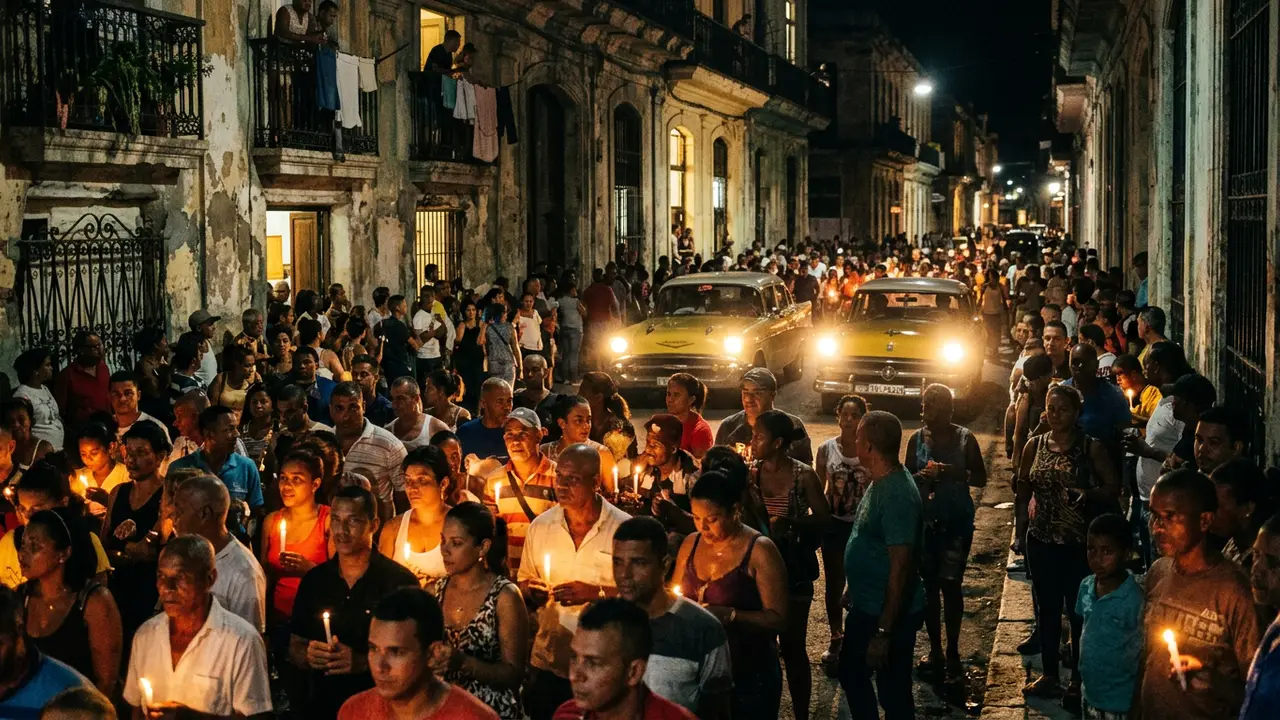
Illustration: Aroma de Cuba (AI)
⚠️ WARNING FOR THE IMMIGRANT COMMUNITY: A criminal network operated for more than two years in New York and New Jersey, posing as immigration attorneys, federal judges, and government agents. They defrauded dozens of vulnerable immigrants — including political asylum seekers — out of thousands of dollars for services that never existed.
The Theater of Deception
Between March 2023 and November 2025, five individuals operated a shell firm called “CM Bufete de Abogados Consultoría Migratoria” — despite none of them being licensed to practice law in any U.S. state.
Their method was sophisticated and ruthless:
-
Facebook recruitment: They placed ads and contacted immigrants searching for legal help, particularly those pursuing asylum claims.
-
Upfront fees: They demanded payments ranging from hundreds to thousands of dollars for legal representation and immigration processing.
-
Fake official documents: They sent documents that appeared official, bearing logos of federal agencies including DHS and USCIS — sometimes referencing the real case numbers of their victims to add credibility.
-
The centerpiece — fake video hearings: They staged fake asylum interviews and court appearances via video conference. The defendants wore judge’s robes and law enforcement uniforms, placed DHS flags and “United States Citizenship and Immigration Services” signs in the background, and conducted all proceedings in Spanish so their victims would feel at ease.
-
False resolution: In many cases, they told clients their immigration matters had been “favorably resolved” — when in reality nothing had been done.
The Consequences: Deportations and Threats
Federal prosecutors described the impact as potentially “life-altering” for victims. At least one person was deported in absentia — ordered removed without being present at an actual hearing — because they believed the fake firm had already resolved their case and did not appear before the real immigration court.
When one victim discovered the scam and sought legitimate legal counsel, the defendants responded by sending threatening messages demanding additional payment and threatening deportation.
In total, the network made more than $100,000, laundering tens of thousands of dollars to co-conspirators in Colombia.
The Arrests: Siblings Caught While Fleeing
Four of the five defendants were arrested on Friday, February 20:
- Daniela Alejandra Sánchez Ramírez, 25
- Jhoan Sebastián Sánchez Ramírez, 29
- Alexandra Patricia Sánchez Ramírez, 38
The three siblings were arrested at Newark Liberty International Airport as they attempted to board a one-way flight to Colombia. The fourth defendant, Marlyn Yulitza Salazar Pineda, 24, was caught at a restaurant in New Jersey. A fifth defendant remains at large in Colombia.
All five face charges of wire fraud conspiracy, wire fraud, money laundering conspiracy, and two counts of false impersonation of a federal official.
U.S. Attorney Joseph Nocella Jr. of the Eastern District of New York was unequivocal: “The defendants engaged in this criminal conduct entirely because of greed, lining their own pockets and those of their coconspirators in Colombia to whom they laundered tens of thousands of dollars of victims’ funds — demonstrating a complete and utter disregard for the potentially life-altering consequences their actions inflicted on vulnerable individuals.”
Why Cuban Immigrants Are Especially at Risk
This type of scam poses a particular danger to the Cuban community:
- Thousands of Cubans have active asylum cases and pending applications, making them attractive targets for fraud of this kind.
- The current climate of intensified enforcement — including work permit restrictions for asylum seekers, the I-220A class action lawsuit, and widespread uncertainty — creates desperation and urgency that scammers exploit.
- The language barrier leads many Cubans to seek representation in Spanish. This ring deliberately conducted all its fake proceedings in Spanish to lower victims’ guard.
- Fear of approaching authorities — out of concern about triggering enforcement — leaves many victims without recourse.
Stories like that of the SUNY Upstate hospital workers illustrate how much can hinge on a single legal process; falling victim to scammers at a critical moment can mean deportation.
Red Flags: How to Spot an Immigration Scam
Immigration attorneys advise extreme caution if someone:
- Contacts you unsolicited on Facebook offering immigration services
- Demands payment before showing verifiable credentials or a bar registration number
- Conducts official hearings over video claiming to be a judge or federal agent
- Guarantees a favorable outcome in asylum proceedings (no one can guarantee results)
- Only speaks Spanish during “official hearings” (actual proceedings are in English)
- Threatens you with deportation when you question their services or ask for documentation
Free and Verified Legal Resources
If you have a pending immigration case, only consult verified representatives:
- EOIR (Executive Office for Immigration Review): Maintains an official list of free or low-cost legal aid providers by state at justice.gov.
- CLINIC (Catholic Legal Immigration Network) and RAICES provide assistance nationwide.
- I-220 Forms Guide: If you hold an I-220A or I-220B form, consult our guide to understand your real legal status.
- Verify any attorney’s bar license with the State Bar of their state before paying anything.
If you believe you were a victim of an immigration scam, you can report it to the FBI at ic3.gov, the FTC at reportfraud.ftc.gov, or contact the U.S. Attorney’s Office in your district.
Sources: The Guardian, NY Daily News, U.S. Department of Justice / EDNY, CiberCuba
Frequently asked questions
How did the fake immigration law firm scam work?
Who was arrested, and who were the victims?
What happened to the victims of this immigration scam?
How can I protect myself from fake immigration lawyers?
Sources
- U.S. Department of Justice / EDNY · justice.govprimary document
- The Guardian · theguardian.com
- NY Daily News · nydailynews.com
- CiberCuba · en.cibercuba.com
How we got here
Background
The first thing we published on this topic.
Nicaragua Closes the Door: Ends Visa-Free Entry for Cubans
Nicaragua ends visa-free entry for Cuban citizens, closing one of the main migration routes to the United States.
Cuba Records Second Magnitude 5 Earthquake in Three Days Near Santiago
A 5.0 magnitude tremor shook eastern Cuba, two days after a 5.6 quake in Guantánamo that damaged homes
Related articles
ICE Changes Story: Cuban Man Died from 'Spontaneous Use of Force'
ICE admits Geraldo Lunas Campos died from use of force after initially claiming medical distress. Medical examiner ruled it homicide.
Cuban Hospital Couple Freed from ICE: Unions Paid Their $20K Bond
A Cuban gay couple at SUNY Upstate in Syracuse NY spent 4 months in ICE detention before their unions raised $20,000 in bail money to free them.
Cuban Adjustment Act 2026: Who Still Qualifies and Who Lost Protection
Updated guide to the Cuban Adjustment Act in 2026: who meets requirements, what documents matter, and how the I-220A issue affects 500,000 Cubans.
Emptying Island: Cuba’s Population Drops to 8 Million Amid Exodus
Cuba's resident population has plummeted to 8 million following a massive exodus of professionals and youth between 2021 and 2025, according to recent data.
Second Deportation Flight to Cuba in 2026: 116 Migrants, 302 Total
The U.S. deports 116 Cubans in the second flight of 2026. With 302 repatriated in two months, the pace far exceeds 2025.

Hope for Cubans with I-220A: Key Hearing in Federal Court
Thousands of Cubans with I-220A status await a historic decision following the 11th Circuit Court of Appeals hearing in Miami.