Supreme Court Restricts Asylum: Cubans Face New Legal Obstacle in 2026
Unanimous Supreme Court decision makes deportation appeals harder for Cuban asylum seekers. Analysis of impact on the community.
4 min read
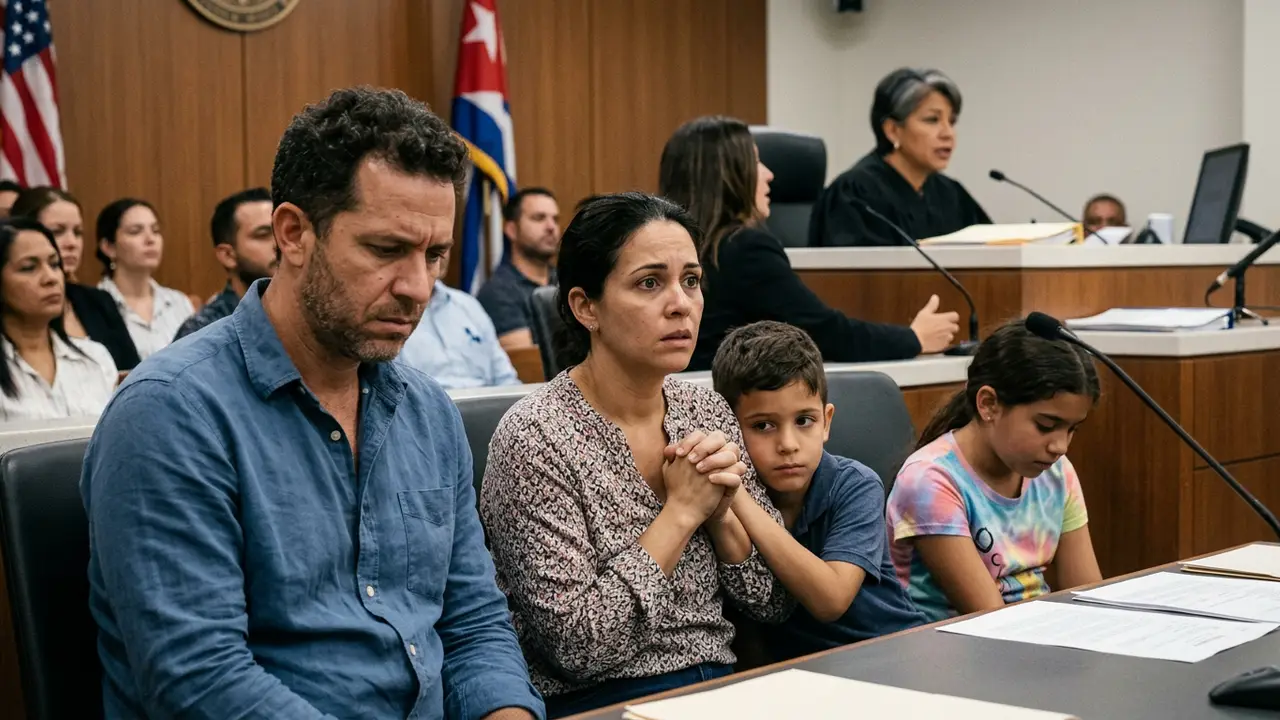
Illustration: Aroma de Cuba (AI)
The US Supreme Court issued a unanimous decision that significantly complicates the asylum process for Cuban migrants, establishing new restrictions that facilitate deportations and limit appeal options.
The Ruling That Changes the Game
In a decision representing a legal victory for the Trump administration, the Supreme Court determined that asylum seekers will have greater difficulty appealing deportation orders. The ruling, described as a “devastating blow” by pro-immigrant organizers, directly affects over 300,000 Cubans currently in legal proceedings.
“Courts must defer more to immigration agencies in asylum cases,” the decision establishes, significantly reducing judicial oversight over persecution determinations.
Immediate Impact on the Cuban Community
Restrictions on Persecution Criteria
The ruling establishes stricter limits on what constitutes valid persecution for asylum. The new standards:
- Gender as limited factor: Claims of gender-based persecution face greater restrictions
- More demanding evidence: Requires more robust documentation of specific threats
- Restricted interpretation: Judges must be more conservative in their interpretations
Alarming Approval Numbers
Statistics reveal a crisis in the asylum system:
- Only 3% approval rate in January 2026 for Cuban cases
- 56% no-shows at Los Angeles hearings due to fear
- 41% abandoned cases nationwide
“Many prefer not to show up rather than risk immediate deportation,” explains Lindsay Toczylowski, director of Immigrant Defenders Law Center.
Testimonies from Legal Frontlines
Bartlomiej Skorupa from Mobile Pathways documents the human drama: “Entire families self-exclude from the system because they know the probability of success is minimal. It’s a systematic collapse of protections.”
María González, Miami immigration attorney, warns: “This ruling is the final nail in the coffin of asylum for Cubans. We’re watching decades of protections vanish in real time.”
The Broader Crisis Context
Maximum Pressure Strategy
The Supreme Court decision adds to Trump’s aggressive policies toward Cuba:
- Effective naval blockade increasing migration pressure
- Elimination of CBP One program that cut legal entry routes
- Unprecedented cooperation with Cuba to accept criminal deportees
Escalating Humanitarian Crisis
The situation in Cuba deteriorates while migration options shrink:
- Prolonged blackouts from Trump’s oil blockade
- Critical food shortages reported by international organizations
- Unprecedented exodus with 340% increase in maritime attempts
FAQ: What You Need to Know
How does this decision affect my pending asylum case?
The decision complicates appeals but doesn’t nullify ongoing cases. However, evidence standards will be more rigorous and interpretations more restrictive.
What options do Cubans have now?
Options have dramatically reduced. The Cuban Adjustment Act remains valid for those who qualify, but I-220A faces challenges in courts.
Why aren’t Cubans attending hearings?
Fear is rational: with 3% approval rates and aggressive ICE operations, many consider not showing up the only option to avoid immediate deportation.
What does “defer to immigration agencies” mean?
Federal judges will have less authority to review and overturn immigration officials’ decisions on asylum cases, giving more power to the executive branch.
Voices of Legal Resistance
Despite the grim outlook, some attorneys continue the fight. Habeas corpus has freed thousands of detainees, while federal rulings have blocked deportations to third countries.
“Legal resistance continues,” states Roberto Martínez from La Raza Centro Legal. “Every case matters, every life matters. We won’t give up.”
The Uncertain Future
The Supreme Court decision marks a turning point in Cuban migration to the United States. With legal pathways practically closed and the asylum system collapsed, the Cuban community faces its greatest challenge since the start of the mass exodus.
The coming months will determine whether historic protections for Cubans can survive Trump’s maximum pressure or if decades of specific migration policy will come to a definitive end.
To follow the latest updates on Cuban migration and legal changes, subscribe to our newsletter and stay informed about your rights.
Sources: US Supreme Court, Vasquez Law Firm, Los Angeles Times, The Blaze, Immigrant Defenders Law Center, Mobile Pathways
How we got here
Background
The first thing we published on this topic.
Cuba Records Second Magnitude 5 Earthquake in Three Days Near Santiago
A 5.0 magnitude tremor shook eastern Cuba, two days after a 5.6 quake in Guantánamo that damaged homes
45,000 Cubans Face Deportation Orders in the US
Some 550,000 Cubans vulnerable under Trump's immigration policies. Separated families and a community under pressure.
Related articles
Nicaragua Reshapes Migration Map: 128 Countries Lose Free Access
Nicaragua's decision to require visas from 128 nationalities redefines Central American migration routes and particularly impacts Cuban migrants.
Cuban Kidnapping Ring Leader Sentenced in Miami
Víctor Rafael Arcia Albeja faces life in prison for leading network that kidnapped and tortured Cuban migrants for $15,000 ransom per head.
Crisis: Cuban migrants trapped between deportations and blackouts
The double crisis facing Cubans in 2026: Trump's mass deportations and Cuba's energy collapse create unprecedented humanitarian emergency.

Asylum Denied: Only 3% of Cubans Win Court Cases They Skip
Asylum approvals plummeted to 3% in January 2026 as fearful Cuban immigrants skip court hearings due to Trump's deportation crackdown.
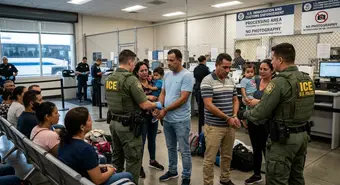
Trump: 5,169 Cubans Deported, Historic US Record
With 10,000 new ICE agents deployed, Trump sets historic record for Cuban deportations while modifying strategy after mounting controversy.
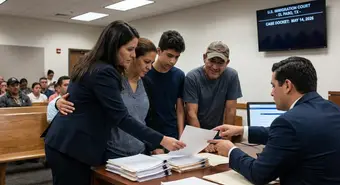
Court Orders Humanitarian Parole Processing: Hope for Cubans
Federal court contradicts Trump policy and forces US to process parole applications, work permits, and asylum cases for Cuban migrants.