Nicaragua Reshapes Migration Map: 128 Countries Lose Free Access
Nicaragua's decision to require visas from 128 nationalities redefines Central American migration routes and particularly impacts Cuban migrants.
6 min read
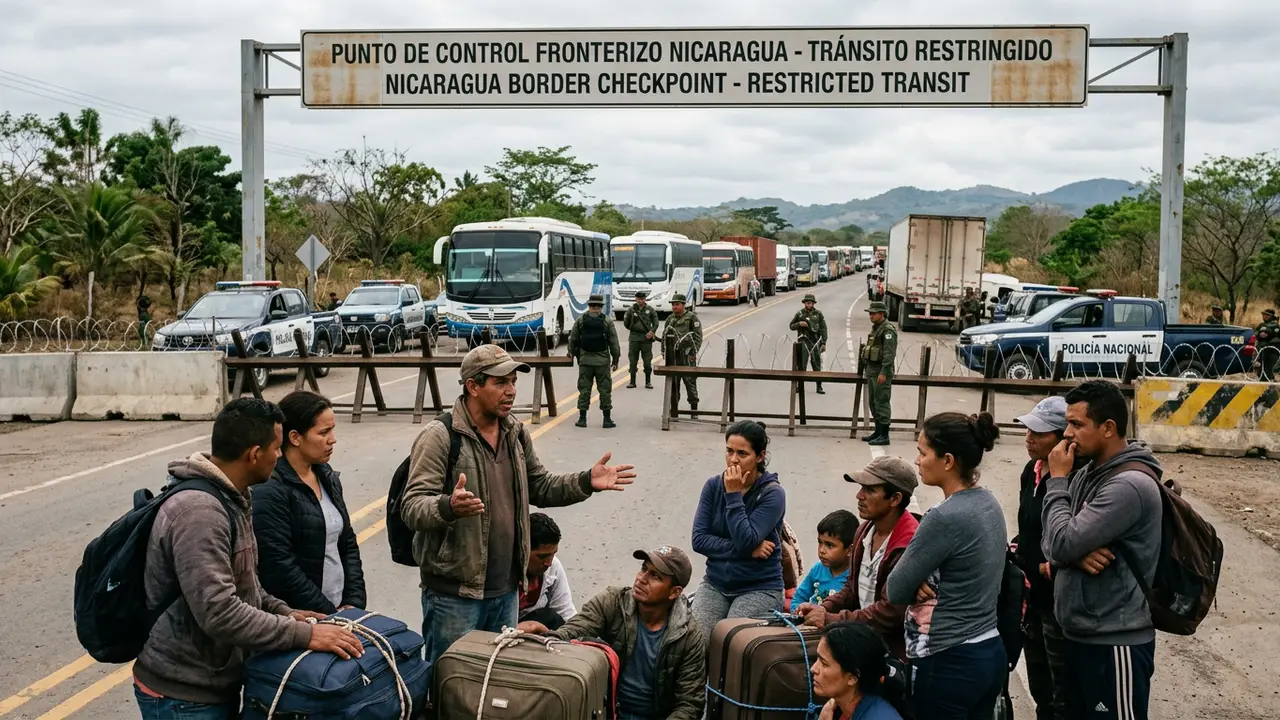
Illustration: Aroma de Cuba (AI)
February 8, 2026 marked the end of an era in the Central American migration system. Nicaragua, in a decision that has redefined the regional migration map, eliminated visa-free access for citizens of 128 countries, including Cuba, definitively closing what migrants knew as “the volcano route.”
The End of Cuba’s Most Important Route
For more than four years, since November 2021, Nicaragua had become the most important migration corridor for Cubans seeking to reach the United States. The visa-free policy allowed hundreds of thousands of Cubans to transit through Nicaraguan territory on their way north.
“It was the only real option we had left,” explains Marlenis García, a 34-year-old Cuban who arrived in Miami in January, weeks before the closure. “Nicaragua was like the last bridge to freedom.”
An Unprecedented Migration Reform
The new Nicaraguan policy, implemented on February 8th, introduces the “Category C Consulted Visa” system, which requires prior authorization from Managua to enter the country. This measure affects nationalities ranging from Cuba and Venezuela to European and Asian countries.
According to Nicaraguan government data, this route had been used by more than 200,000 Cubans since its implementation, becoming the main alternative after the tightening of border policies in Mexico and the United States.
The Domino Effect in Central America
Nicaragua’s decision is not an isolated event. It occurs in a context where:
- Trump suspended immigrant visas for 75 countries, including Cuba
- Mexico faces US pressure to close its borders
- Guatemala and Honduras have tightened their migration controls
“It’s like a domino that’s falling,” says Roberto Martínez, migration analyst at the Central American Studies Center. “Every country that closes its doors forces migrants to seek more dangerous routes or simply get trapped.”
The Hidden Economic Impact
What few mention is the economic impact of this decision. Transit migration had generated a million-dollar industry in Nicaragua:
- Hotels at the Costa Rican border
- Specialized transportation services
- Informal commerce along migration routes
- Remittances from family members sending money for the journey
Nicaraguan businesspeople estimate the measure will affect more than 15,000 direct and indirect jobs related to migration tourism.
Alternative Routes: More Dangerous, More Costly
With Nicaragua closed, Cubans are forced to consider riskier alternatives:
Direct Maritime Route
- 340% increase in raft crossings since January
- Average cost: $8,000-12,000 per person
- Estimated mortality: 1 in 4 doesn’t make it
Haiti-Dominican Republic Route
- Emerging but highly dangerous route
- Controlled by human trafficking networks
- Cost: $15,000-20,000 per person
Direct Flights to Mexico
- For those with passports
- Cost: $3,000-5,000
- Risk of immediate deportation
The Geopolitical Strategy Behind It
Regional analysts suggest Nicaragua’s decision responds to multiple geopolitical pressures:
- US pressure: Washington had threatened additional sanctions
- Internal economic crisis: Nicaragua faces foreign currency shortages
- Regional realignment: Seeking better relations with the United States
“Nicaragua is playing geopolitical chess,” explains analyst Carmen Delgado. “It’s sacrificing migration tourism income to obtain long-term political and economic benefits.”
Testimonies from the Ground
Trapped in Costa Rica
Miguel Hernández, a 41-year-old Cuban, arrived in San José just when the measure was announced: “I sold everything in Cuba to make this trip. Now I’m trapped here without money and not knowing what to do.”
The Last Convoy
Carmen Rodríguez was part of the last group that crossed Nicaragua before the closure: “There was horrible desperation at the border. People knew it was their last chance.”
The New Migration Map
With Nicaragua closed, the Central American migration map has been redefined:
Active Transit Countries:
- Ecuador (still allows Cubans without visa)
- Brazil (complex but possible visa)
- Uruguay (expensive but stable route)
Countries with Restrictions:
- Panama (intensified controls)
- Costa Rica (deportations increased 60%)
- Mexico (active containment policy)
Impact on Cuban Families
The measure has separated entire families. More than 3,000 Cubans who had initiated family reunification processes now face the impossibility of completing their journey.
“My husband arrived in Miami in December,” says Yudith Pérez from Havana. “I was going to leave in March through Nicaragua. Now I don’t know when I’ll see him again.”
The Official Response
The Nicaraguan government justifies the measure as part of a “modernization of the migration system” and to “guarantee national security.” However, critics point out that implementation was abrupt and without a grace period for those who had already started their journeys.
Nicaraguan Foreign Minister Denis Moncada declared that the measure “strengthens national sovereignty and improves border control,” without specifically mentioning the impact on Cuban migrants.
Frequently Asked Questions
Can Cubans apply for the new Nicaraguan visa?
Theoretically yes, but the process is complex, expensive (approximately $200), and there are no approval guarantees. Additionally, it requires documents that many Cubans cannot obtain.
What happens to those already in transit?
Nicaragua implemented a 48-hour grace period for those already on national territory. After that, deportations began.
Is this decision reversible?
Unlikely. Nicaragua has invested significant resources in implementing the new system and has received support from several regional countries.
How does this affect other Central American migrants?
Although the focus is on Cubans, the measure also affects Guatemalans, Hondurans, and Salvadorans who used Nicaragua as a transit route to Mexico.
The Uncertain Future
Nicaragua’s decision marks a turning point in regional migration. For the first time in decades, there is no viable and relatively safe land route for Cubans to reach the US border.
This reality forces an uncomfortable question: Are we witnessing the end of mass transit migration in Central America?
The answer seems to indicate yes. The “open doors” model that allowed the transit of hundreds of thousands of migrants is coming to an end, replaced by a system of strict controls and regional coordination.
For Cubans, this means migration to the United States becomes increasingly risky, expensive, and for many, simply impossible. A reality that will reshape not only migration routes but the future of thousands of families dreaming of reunification.
This article is part of our special coverage of the 2026 Cuban migration crisis. For more updated information, visit our related articles on new deportation policies and the impact of Trump’s restrictions.
How we got here
Background
The first thing we published on this topic.
Nicaragua Closes the Door: Ends Visa-Free Entry for Cubans
Nicaragua ends visa-free entry for Cuban citizens, closing one of the main migration routes to the United States.
Cuban man's death in ICE custody ruled homicide by medical examiner
Geraldo Lunas Campos died at Camp East Montana after being asphyxiated by guards according to official autopsy.
Related articles
Crisis: Cuban migrants trapped between deportations and blackouts
The double crisis facing Cubans in 2026: Trump's mass deportations and Cuba's energy collapse create unprecedented humanitarian emergency.

Supreme Court Restricts Asylum: Cubans Face New Legal Obstacle in 2026
Unanimous Supreme Court decision makes deportation appeals harder for Cuban asylum seekers. Analysis of impact on the community.
Trump: 5,169 Cubans Deported, Historic US Record
With 10,000 new ICE agents deployed, Trump sets historic record for Cuban deportations while modifying strategy after mounting controversy.
Cuban Kidnapping Ring Leader Sentenced in Miami
Víctor Rafael Arcia Albeja faces life in prison for leading network that kidnapped and tortured Cuban migrants for $15,000 ransom per head.

Asylum Denied: Only 3% of Cubans Win Court Cases They Skip
Asylum approvals plummeted to 3% in January 2026 as fearful Cuban immigrants skip court hearings due to Trump's deportation crackdown.

Court Orders Humanitarian Parole Processing: Hope for Cubans
Federal court contradicts Trump policy and forces US to process parole applications, work permits, and asylum cases for Cuban migrants.