Crisis: Cuban migrants trapped between deportations and blackouts
The double crisis facing Cubans in 2026: Trump's mass deportations and Cuba's energy collapse create unprecedented humanitarian emergency.
5 min read
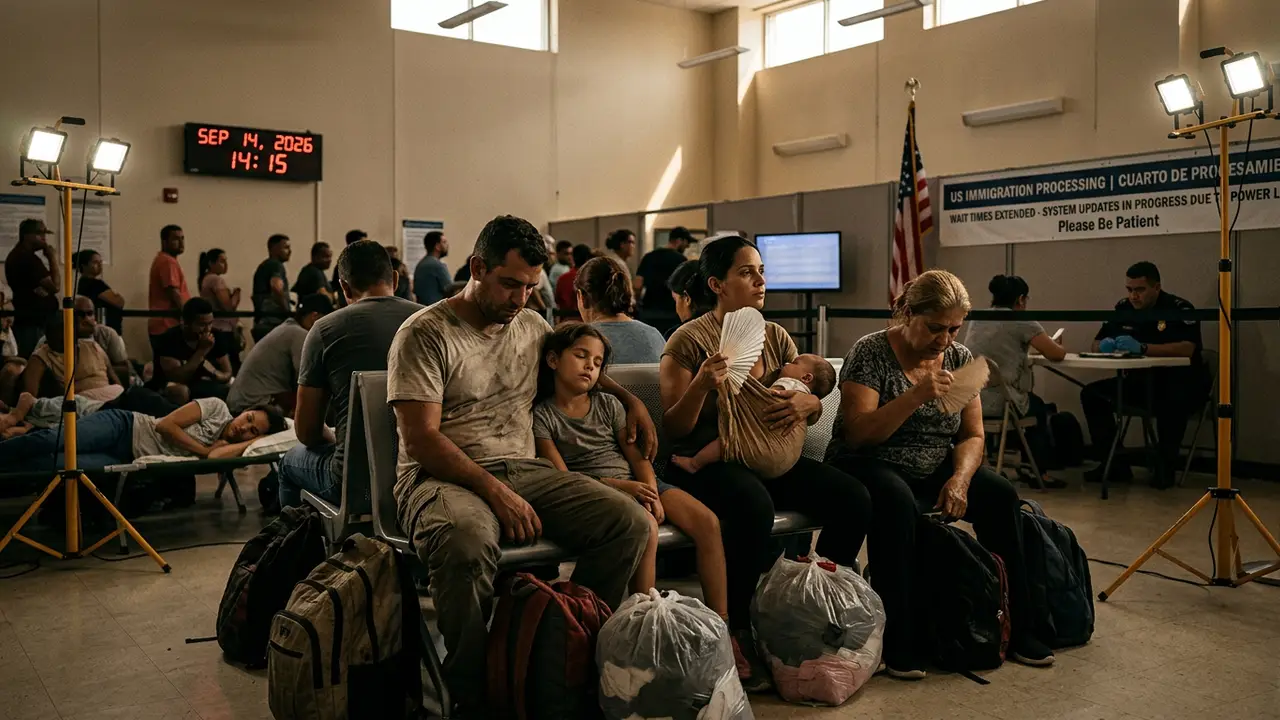
Illustration: Aroma de Cuba (AI)
An unprecedented humanitarian crisis shakes the Cuban community in 2026: while Trump intensifies mass deportations with 170 Cubans already returned this year, the island sinks into widespread blackouts that make return impossible. Thousands of Cuban families remain trapped in a deadly migration limbo.
The double blow: deportation and energy collapse
The energy crisis hitting Cuba since January 2026, worsened by Trump’s oil blockade, has plunged the island into blackouts lasting up to 16 hours daily. Hospitals collapse, schools close, and the drinking water system fails. In this context, deportations of Cubans from the United States have become a sentence to extreme survival.
“My husband was deported two weeks ago. There’s no electricity there, no medicine for his diabetes, no water. It’s a death sentence,” says María González*, whose family was separated by ICE in Miami. Her testimony reflects the drama of thousands of Cuban families fragmented by Trump’s “maximum pressure” policy.
Numbers of a developing tragedy
The figures are devastating:
- 170 Cubans deported on the first 2026 flight (February 9)
- 300,000 Cubans in legal limbo with I-220A forms
- 340% increase in dangerous maritime crossings since January
- 16 hours daily of blackouts in Cuba according to recent reports
- 50 deportees with serious criminal records on the February flight
For the first time in decades, Cuba has accepted deportees with criminal histories, marking a radical change in bilateral migration relations. This precedent opens the door to massive future deportations.
The closing of escape routes
The crisis intensifies with the closure of migration alternatives. Nicaragua eliminated visa-free access for 128 countries in February 2026, cutting off the so-called “volcano route” used by thousands of Cubans monthly. Trump also canceled the CBP One program and CHNV humanitarian parole, leaving Cubans without legal migration options.
“They closed all doors. Only the sea remains, and that’s certain death,” explains Carlos Herrera, a Cuban migrant rights activist in Miami.
Families divided by policy
The family impact is catastrophic. Julia Benítez Pérez, 79, spent nine months detained by ICE before being released in February. Her case illustrates how deportation policies separate families without humanitarian considerations.
Daniel Alejandro Escobar Rodríguez, released after 80 days of detention thanks to habeas corpus, describes his experience: “I thought I would never see my children again. The constant fear of deportation destroys entire families.”
Legal resistance: last hope
Federal courts have begun blocking some deportations. The 11th Circuit Court of Appeals overturned BIA decisions on I-220A cases, ordering new reviews. However, these rulings benefit only a fraction of the 300,000 Cubans in precarious legal situations.
According to judicial data, more than 24,000 habeas corpus petitions have been filed against ICE, but violations continue. Minnesota leads per capita in legal resources, while Florida concentrates most detentions.
The economic factor: impossible survival
Cuba’s economy faces its worst crisis since the “Special Period.” The Cuban peso reached a historic low of 500 per dollar in February, while inflation devours family savings. Deportees return to an island where basic survival is a daily challenge.
Canada announced $8 million in emergency aid for Cuba, but international assistance is insufficient given the magnitude of the humanitarian crisis.
Regime change in sight?
Political analysts interpret Trump’s strategy as an attempt to provoke regime change in Cuba by the end of 2026. The effective naval blockade of oil tankers and mass deportations form part of coordinated pressure that some compare to tactics used against Venezuela.
Expectations for US military intervention are growing in Miami, where Cuban-American leaders pressure for a “friendly takeover” of the island. However, this strategy places the Cuban population, both on the island and in exile, in an extremely vulnerable situation.
FAQ: Cuban humanitarian crisis 2026
Can deported Cubans survive on the current island?
The energy crisis makes basic survival extremely difficult. Without regular electricity, drinking water, or adequate medical services, deportees face precarious living conditions.
What legal options remain for Cubans in the US?
Options are limited: asylum applications (with 3% approval rate), habeas corpus appeals against illegal detention, and I-220A cases under judicial review. The Cuban Adjustment Act remains but with more restrictive interpretations.
Why does Cuba now accept criminal deportees?
The change marks a historic break, possibly the result of secret negotiations or extreme economic pressure. Cuba needs to relieve internal migration pressure and could be yielding to US demands.
When will this crisis end?
Experts predict the crisis will continue until there’s significant political change in Cuba or in US policies. The current situation is unsustainable long-term.
The humanitarian crisis facing Cuban migrants in 2026 represents one of the most complex migration tragedies in recent history. Trapped between relentless deportations and a collapsing island, thousands of Cuban families struggle to survive in a limbo that seems endless.
() Name changed to protect the interviewee’s identity.*
Sources:
How we got here
Background
The first thing we published on this topic.
Cuba Records Second Magnitude 5 Earthquake in Three Days Near Santiago
A 5.0 magnitude tremor shook eastern Cuba, two days after a 5.6 quake in Guantánamo that damaged homes
45,000 Cubans Face Deportation Orders in the US
Some 550,000 Cubans vulnerable under Trump's immigration policies. Separated families and a community under pressure.
Related articles
Trump: 5,169 Cubans Deported, Historic US Record
With 10,000 new ICE agents deployed, Trump sets historic record for Cuban deportations while modifying strategy after mounting controversy.
Double Migration Blow: Nicaragua and Trump Close Routes to Cubans
Nicaragua cancels visa-free entry while Trump suspends visa processing for 75 countries, leaving Cubans without legal options

Asylum Denied: Only 3% of Cubans Win Court Cases They Skip
Asylum approvals plummeted to 3% in January 2026 as fearful Cuban immigrants skip court hearings due to Trump's deportation crackdown.
Court Orders Humanitarian Parole Processing: Hope for Cubans
Federal court contradicts Trump policy and forces US to process parole applications, work permits, and asylum cases for Cuban migrants.
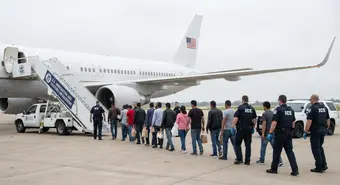
ICE Deports 170 Cubans on First 2026 Flight: 50 Criminals Included
The first ICE deportation flight to Cuba in 2026 transported 170 Cuban nationals, including 50 convicts of serious crimes like murder and rape.
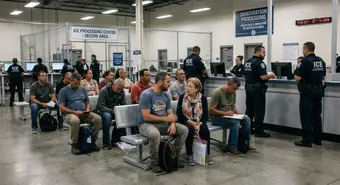
ICE Intensifies Operations: New Cuban Arrests Revealed
US immigration authorities arrested two more Cubans with criminal records as deportation pressure mounts under Trump's hardline approach.