CBP One Guarantees Nothing: Deportation Orders Shock Migrants
Migrants who entered through CBP One face deportation for failing judge directives. The error that could cost you everything.
4 min read
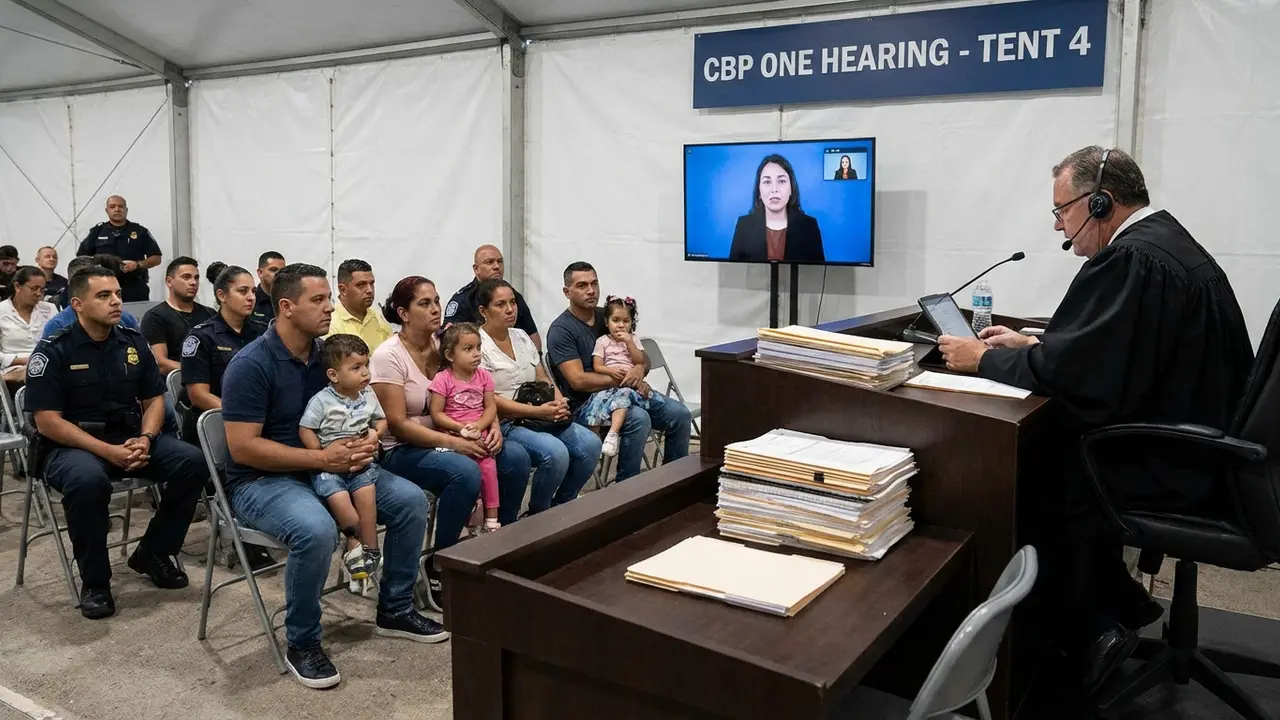
Illustration: Aroma de Cuba (AI)
Legal entry through CBP One doesn’t protect you from deportation. Two recent cases reveal how migrants who believed they were safe after their “legal” entry now face immediate deportation orders for failing to follow specific immigration judge directives.
The Fatal Error No One Explains
The CBP One program allows legal entry with parole — a temporary status many mistake for permanent protection. But parole comes with strict obligations that, if unfulfilled, can result in immediate deportation.
The Game-Changing Cases
According to CiberCuba reports, two individuals who entered under CBP One now face deportation orders after “failing to comply with specific directives from an immigration judge.”
What were these directives? Specific details haven’t been revealed, but typical directives include:
- Regular reporting to immigration offices
- Attending all hearings without exception
- Submitting required documentation within specific deadlines
- Not leaving the jurisdiction area without permission
- Complying with asylum requirements within established timeframes
CBP One: The “Legal Status” Trap
❌ What CBP One does NOT give you:
- Permanent residency
- Automatic protection from deportation
- Right to remain indefinitely
- Forgiveness for failing to meet obligations
✅ What you actually get:
- Temporary legal entry (2 years maximum)
- Work authorization (if qualified)
- Opportunity to apply for asylum
- Strict obligations you must fulfill
The Judge’s Deadly Directives
1. Mandatory Hearings
Missing ONE hearing can result in deportation order in absentia. 56% of migrants in Los Angeles already don’t attend due to ICE fear.
2. Precise Documentation
Judges require specific evidence of persecution. Without adequate documents, your case collapses.
3. Inflexible Deadlines
You have one year to file your asylum application from entry. No extensions for ignorance.
4. Location Reports
Changing address without notification can result in deportation order for “evasion.”
Why Is This Happening Now?
”Maximum Pressure” Policy
The Trump administration has intensified enforcement of all immigration regulations, with no exceptions for those who entered “legally.”
Asylum System Collapse
- Only 3% approval rate for asylum in January 2026
- Overwhelmed courts with 3+ year backlogs
- Limited attorneys for complex cases
Deterrent Message
These cases send a clear signal: legal entry doesn’t mean guaranteed protection.
Critical Errors Migrants Make
Error #1: Assuming Automatic Protection
“I entered legally, I’m safe” — FALSE. CBP One is temporary parole, not permanent status.
Error #2: Not Understanding Obligations
Many don’t fully read I-94 documents and judge instructions.
Error #3: Not Seeking Legal Representation
Without an attorney, it’s impossible to navigate system complexities.
Error #4: Ignoring Deadlines
Immigration deadlines are ABSOLUTE. There’s no forgiveness for ignorance.
What You Must Do NOW
If You Entered with CBP One:
- Review your I-94 documentation immediately
- Identify all dates for hearings and reports
- Seek qualified legal representation
- Prepare your asylum case with solid evidence
- Keep your address updated with the court
Warning Signs:
- You haven’t received Notice to Appear (NTA)
- You don’t know your hearing date
- Your address changed and you didn’t notify
- You don’t have an attorney or representation
FAQ: CBP One and Deportation
Does CBP One protect me from deportation?
NO. CBP One gives you temporary parole. You must fulfill all legal obligations to avoid deportation.
What happens if I miss a hearing?
The judge may issue a deportation order in absentia. It’s extremely difficult to reverse.
Can I be deported even though I entered “legally”?
YES. Legal entry doesn’t guarantee permission to remain. Failing to meet obligations results in deportation.
How can I verify my legal obligations?
Review your I-94, check your case on EOIR Case Status, and consult with a qualified immigration attorney.
The Harsh Reality of 2026
CBP One was never a path to residency — it’s a temporary opportunity to request protection. With the Trump administration intensifying enforcement, every mistake can be fatal.
Recent cases demonstrate that even “legal” entry won’t save you if you don’t understand and fulfill your obligations. In 2026, ignorance of immigration law can cost you everything.
Final Message
If you entered with CBP One, act immediately. Seek legal help, fulfill all your obligations, and prepare to fight for your future in America. Your legal entry was just the first step — now the real battle begins.
Emergency Resources:
- CLINIC (Catholic Legal Immigration Network): cliniclegal.org
- AILA (American Immigration Lawyers Association): aila.org
- EOIR Case Status: eoir.justice.gov
How we got here
Background
The first thing we published on this topic.
Nicaragua Closes the Door: Ends Visa-Free Entry for Cubans
Nicaragua ends visa-free entry for Cuban citizens, closing one of the main migration routes to the United States.
Cuba Records Second Magnitude 5 Earthquake in Three Days Near Santiago
A 5.0 magnitude tremor shook eastern Cuba, two days after a 5.6 quake in Guantánamo that damaged homes
Related articles
Deadly CBP One Error: Migrants Sent to Immediate Deportation
Two cases reveal deadly legal trap in CBP One: failing to file asylum petition before judge within deadline triggers automatic deportation order.
Federal Judge Blocks Trump CBP One Parole Termination for Migrants
A Massachusetts court ruling restores immigration status for Cubans, Venezuelans, and Haitians who entered legally with CBP One.

ICE Deports 170 Cubans on First 2026 Flight: 50 Criminals Included
The first ICE deportation flight to Cuba in 2026 transported 170 Cuban nationals, including 50 convicts of serious crimes like murder and rape.
Court Orders Humanitarian Parole Processing: Hope for Cubans
Federal court contradicts Trump policy and forces US to process parole applications, work permits, and asylum cases for Cuban migrants.
Supreme Court restricts asylum: blow to Cubans with I-220A
Unanimous March 7 decision limits federal court reviews of asylum cases, affecting thousands of Cubans with I-220A in appeals.
Supreme Court Lifts Protection: 532,000 Cubans Defenseless
Supreme Court stays federal judge's order that blocked humanitarian parole revocation, exposing thousands of Cubans to immediate deportation risk