Trump Fires Noem After Revoking Protection for 500K Cubans
The president dismisses his Homeland Security Secretary after weeks of controversy over eliminating humanitarian protections.
3 min read
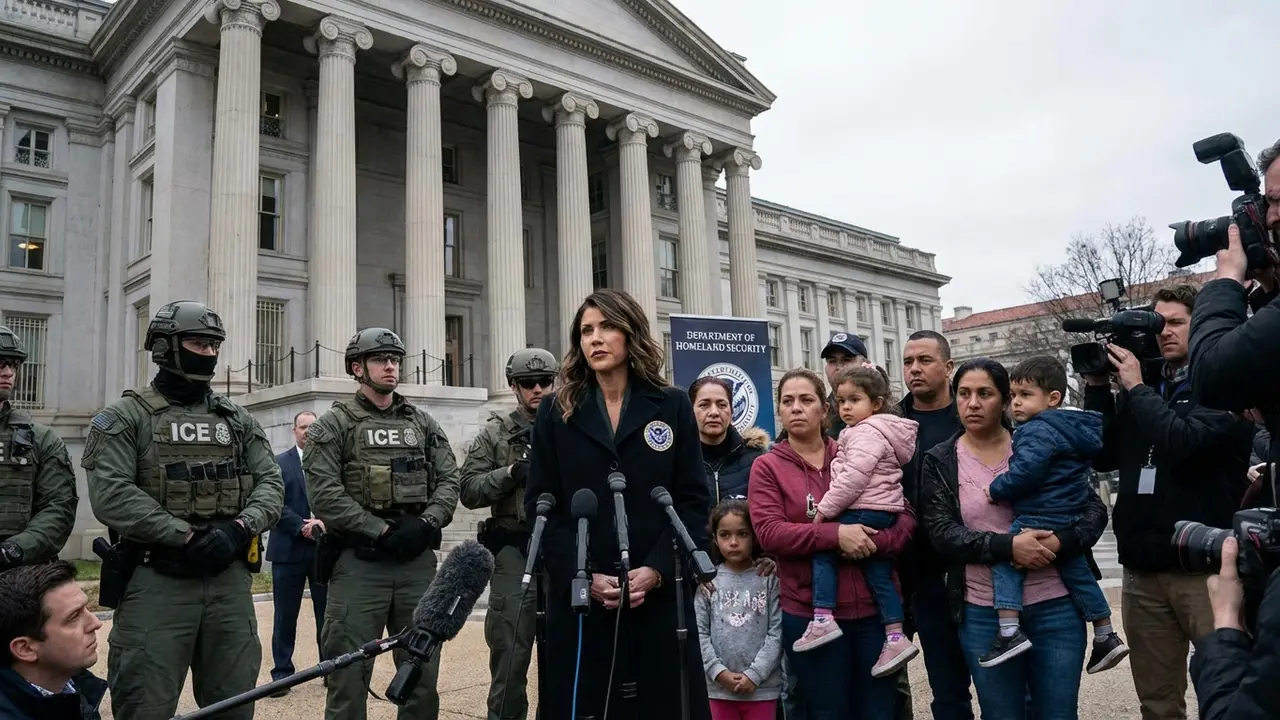
Illustration: Aroma de Cuba (AI)
Donald Trump fired Homeland Security Secretary Kristi Noem on Thursday, making her the first Cabinet member to leave office in his second administration. The decision comes after weeks of controversy over her handling of mass deportations and the revocation of humanitarian protections for more than 500,000 migrants, including hundreds of thousands of Cubans.
End of a Controversial Tenure
Noem had implemented some of the Trump administration’s most aggressive immigration policies, including the revocation of humanitarian parole for migrants from Cuba, Haiti, Nicaragua, and Venezuela. This measure left approximately 300,000 Cubans in legal limbo, facing immediate deportations.
“The decision to revoke humanitarian protections has separated families and created an unprecedented crisis,” said Lindsay Toczylowski from Immigrant Defenders Law Center.
The controversy reached its peak after incidents in Minneapolis, where ICE agents caused the deaths of two American citizens during operations that were widely criticized as excessively militarized.
Nicaragua Closes Migration Route
Simultaneously, Nicaragua canceled visa-free access for Cuban citizens in February 2026, closing the so-called “Volcano Route” that had been used by more than 200,000 Cuban migrants since 2021. This decision, combined with Trump’s policies, has created an unprecedented migration siege.
The closure of the Nicaraguan corridor has forced Cuban migrants toward more dangerous maritime routes, with a 340% increase in raft crossings to Florida in the first months of 2026.
ICE Intensifies Operations
Under Noem’s leadership, ICE had aggressively expanded its operations, with Vice President JD Vance promising 10,000 additional agents for “door-to-door” deportations. However, data shows that ICE arrests have decreased 11% in February due to legal and political pressure.
“Militarized operations have created more resistance than effective results,” explained Bartlomiej Skorupa from Mobile Pathways.
The administration had deported 5,169 Cubans through March 2026, establishing a historic record that surpassed all previous administrations combined.
Humanitarian Crisis in Cuba
Migration pressure has intensified due to the energy crisis in Cuba, where blackouts last up to 16 hours daily following the oil blockade implemented by Trump. The situation has led to a national emergency declaration on the island.
María González, a Cuban migrant in Miami, recounts: “My parents in Havana are without electricity most of the day, but here I live in constant fear of being deported back to that crisis.”
Noem’s Successor
Trump has appointed Deputy Secretary Patrick Lechleitner as interim secretary, who is expected to continue mass deportation policies but with a less militarized approach. DHS sources indicate the new strategy will prioritize “efficiency over spectacle.”
Legal Resistance Continues
Immigration attorneys have filed more than 24,000 habeas corpus petitions for detained Cubans, with some successful cases like Daniel Alejandro Escobar, released after 80 days in detention.
The 11th Circuit Federal Court recently reopened hope for thousands of Cubans with I-220A forms, questioning decisions by the Board of Immigration Appeals (BIA).
Preguntas frecuentes
Why did Trump fire Kristi Noem?
What does the revocation of humanitarian parole mean for Cubans?
Why did Nicaragua close the route for Cubans?
What can Cubans with I-220A do now?
Updated: March 13, 2026 - 00:30 UTC
Related articles:
- ICE Arrests 77 Migrants Daily in Florida: Cubans Represent Record-High Detention Numbers
- Supreme Court Restricts Asylum: New Legal Blow for Cubans with I-220A
- ICE Escalates Raids: Trump Deploys 10,000 ‘Door-to-Door’ Agents Targeting Cubans
- Humanitarian Crisis: Cuban Migrants Trapped Between Deportations and Blackouts
- Nicaragua Closes ‘Volcano Route’: 200,000 Cubans Lose Key Migration Pathway
How we got here
Background
The first thing we published on this topic.
Fernández de Cossío: Cuba Open to US Dialogue, No Talks Yet
The Cuban Vice Minister of Foreign Affairs clarifies Havana's position amid Trump's claims about alleged bilateral negotiations.
Washington Demands Havana Stop Repudiation Acts Against Mike Hammer
The State Department demands Cuba cease 'repressive acts' against the American diplomat and calls the Cuban government an 'illegitimate regime.'
Related articles
Trump Deports to Venezuela, Iran Amid War: 650,000 Lose TPS
Deportations to conflict zones reveal Trump's migration brutality: 15,000 Venezuelans and 120 Iranians sent to war-torn countries
Maduro Fall Accelerates Migration: Cuba Loses 90% Venezuelan Oil
Maduro regime collapse cuts 90% of Cuban oil supply, intensifying 2026 migration crisis toward the United States with major implications.

Cuba's Oil Crisis: Moscow's Ultimatum Amid Trump's Sanctions
Russia warns about oil supplies to Cuba as Trump's sanctions pressure the island's economy. Discover the impact on the energy crisis.
Vatican Mediation: Cuba to Release 51 Prisoners
The Cuban government announces the release of 51 prisoners following Vatican mediation, amid rising tensions with Washington.
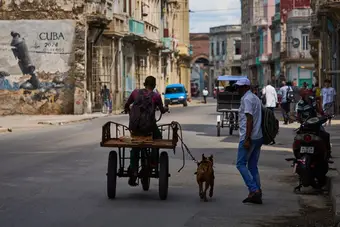
Cuba invites exiles to return: Historic opening under Trump
Cuban government offers exiles the chance to openly own businesses for first time while Trump promises 'incredible people will return to Cuba'.
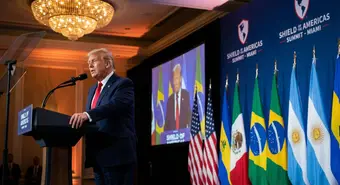
Trump in Miami: The Cuban Regime is in its Final Moments
Donald Trump launches the 'Shield of the Americas' summit in Miami, asserting that the regime in Cuba is nearing its end and seeking government change.