Cubans Choosing Latin America as Final Destination in 2026
IOM report shows Cubans preferring Brazil, Uruguay, and Costa Rica over U.S. routes amid tightening border policies.
3 min read
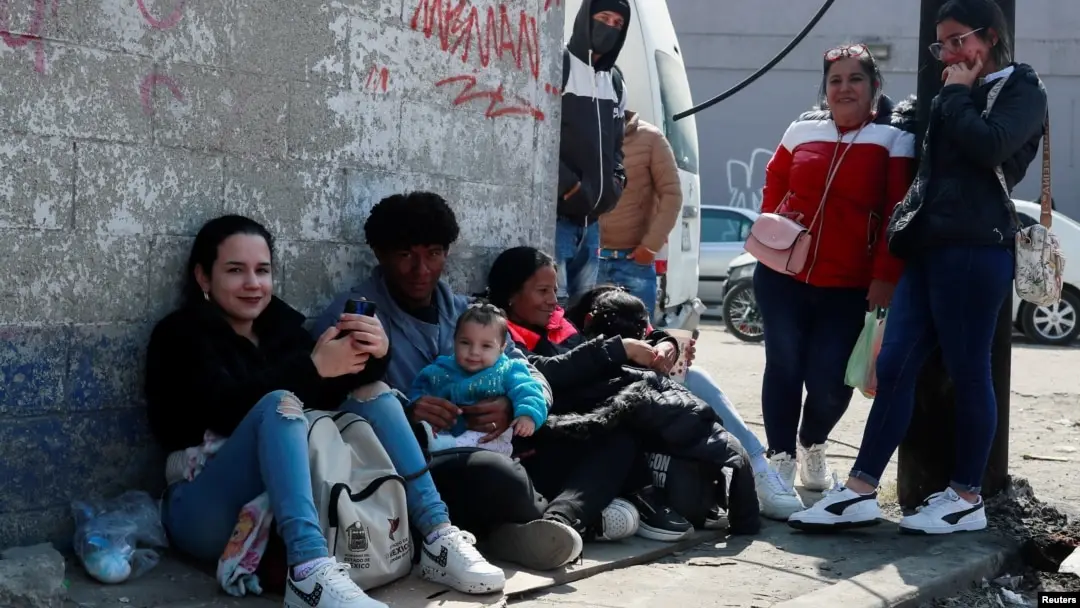
Photo: martinoticias.com
Cuban migration is undergoing a historic shift. According to a recent report by the International Organization for Migration (IOM), Cubans are no longer seeing Latin America merely as a bridge to the United States, but as their final home. This radical turn responds to new migration policies in the North and the search for stability in nations like Brazil, Uruguay, and Costa Rica.
From Transit to Settlement
For decades, the Central American route was the primary path to the U.S. border. However, data collected between January 2025 and February 2026 shows that regional countries have shifted from “corridors” to “destinations.”
In Costa Rica, for instance, 94% of surveyed Cubans expressed a desire to stay in the country, citing political stability and economic opportunities. Meanwhile, in the southern part of the continent, Brazil and Uruguay are consolidating as new centers of attraction.
Figures Marking the Shift
The drop in northward flow is drastic:
- In Honduras, irregular entries of Cubans fell by 75% in one year.
- In Brazil, regular migration of Cubans tripled between 2024 and 2025.
- In Uruguay, the average monthly migration balance of Cubans doubled, exceeding 1,200 people per month.
The Impact of U.S. Policies
This change is no coincidence. The current administration in Washington has tightened controls, eliminating programs like humanitarian parole and the CBP One app. Given this landscape, the “American Dream” is transforming into a “Latin American Dream,” where cultural proximity and the opening of certain labor markets offer a viable alternative to the crisis on the island.
Frequently Asked Questions (FAQ)
Why are Cubans choosing Brazil and Uruguay? Both countries offer more accessible regularization processes and labor markets that allow immigrants to send remittances to their families in Cuba relatively quickly.
What happened to the Nicaragua route? Nicaragua eliminated visa-free travel for Cubans in early 2026, closing one of the most used escape routes and forcing migrants to seek alternative paths South or legal processes in other countries.
How has the IOM responded to this situation? The IOM has called on regional governments to coordinate their migration policies to ensure this new flow of people can integrate safely and productively into their host societies.
Is the U.S. still the preferred destination? While it remains the main reference, current legal barriers have meant that, for the first time in decades, most migrants in transit decide to settle in the first stable country they find on their path.
Sources: International Organization for Migration (IOM), Martí Noticias, EFE Agency. Related: Release of Political Prisoners in Cuba
How we got here
Background
The first thing we published on this topic.
Old Havana Restoration Reaches a New Milestone
Rehabilitation work in the historic quarter reveals colonial frescoes from the 18th century.
Governments Issue Travel Warnings for Cuba Amid US Tensions
Canada, Argentina, Spain and other countries warn citizens about Cuba's crisis as Washington's oil blockade and prolonged blackouts affect the island.
Related articles
Turismo de Colores: Cuba's Green Bet Amid Crisis
Faced with the exhaustion of the sun and beach model and resource shortages, Cuba attempts to relaunch its tourism sector by focusing on nature and ecotourism.
Varadero: complete guide to Cuba's most famous beach
Everything about Varadero: best beaches, hotels, excursions, practical tips and how to reach Cuba's most spectacular Caribbean peninsula.
The USS Maine Explosion: the Sinking That Changed Cuba
On February 15, 1898, the battleship USS Maine exploded in Havana Harbor, triggering the Spanish-American War and reshaping Cuba's future.
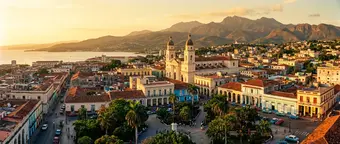
Santiago de Cuba: Birthplace of Son, Revolution and Caribbean
Complete guide to Santiago de Cuba: what to see, where to go, and how to experience Cuba's most Caribbean city. History, music, and beaches.
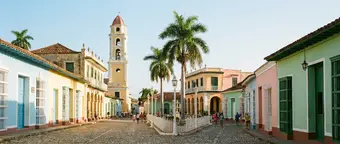
The Seven First Villas of Cuba: the Origin of a Nation
Between 1511 and 1515, Diego Velázquez founded seven villas that shaped Cuba. Discover the history of Baracoa, Bayamo, Trinidad and more.
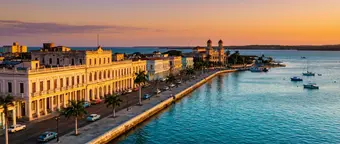
Cienfuegos: Complete Guide to Cuba's Pearl of the South
Discover Cienfuegos, Cuba's most French city. Guide to top sights, Palacio de Valle, Punta Gorda, and practical travel tips.