Cuba Ends General Subsidies for Basic Food Ration: The End of an Era
As of April 2026, Cuba implements a historic shift by removing general subsidies on basic food rations. Learn how this change impacts the 'libreta'.
3 min read
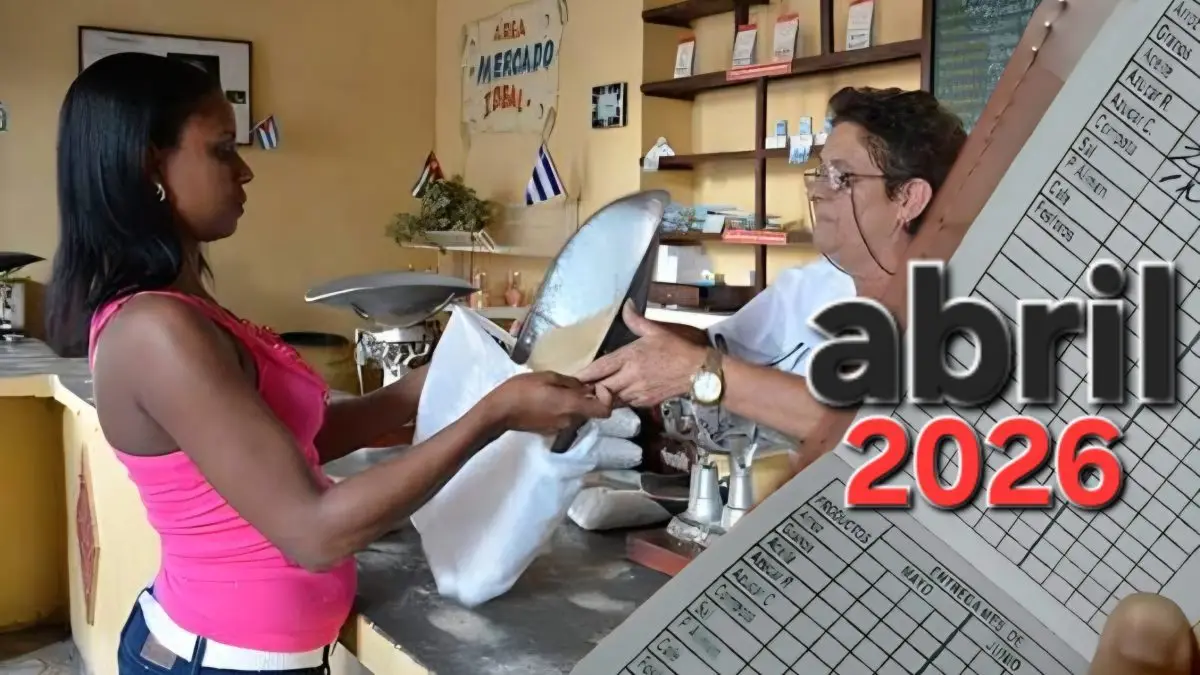
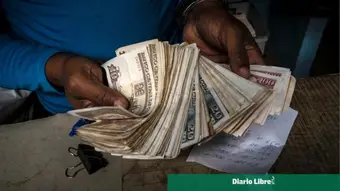
Photo: directoriocubano.info
Cuba has launched one of its most profound economic reforms in decades as of April 1: the elimination of generalized subsidies for products in the basic food basket (canasta básica normada). This move marks a turning point in the egalitarian distribution model that has governed the island via the ration book (libreta de abastecimiento) since 1962.
A Shift in Concept: Subsidies for People, Not Products
The new government scheme shifts state benefits from food items to individuals. This means that products that previously had a low and uniform price for the entire population will now be sold at differentiated prices. While citizens considered “vulnerable” will continue to receive financial assistance to purchase these goods, the rest of the population will face higher costs, closer to real market or import values.
This adjustment aims to reduce the massive public spending required to maintain artificially low prices amidst skyrocketing inflation and a foreign currency crisis. However, its implementation has sparked uncertainty regarding the exact criteria for defining “vulnerability” and the scale of the new prices.
Decentralization and Local Production
Another pillar of this reform is territory-based dependence. The government has emphasized that each municipality’s supply will increasingly depend on its own ability to produce food. In theory, this should stimulate local agriculture, but the current reality is marked by a lack of inputs, fuel, and a crumbling agricultural infrastructure.
Decentralization means that product availability at local shops (bodegas) could significantly vary from one region to another, breaking the national uniformity that once characterized the system.
Impact on Cubans’ Wallets
The end of the subsidy comes at a most sensitive time for family budgets. With relentless inflation and the recent introduction of high-denomination banknotes (2,000 and 5,000 pesos) to facilitate cash transactions, the price hike for basic goods poses an additional challenge for purchasing power.
Many Cubans fear this measure is a prelude to the eventual disappearance of the ration book, although authorities insist it will remain a control mechanism to protect those in need.
Frequently Asked Questions (FAQ)
What happens to the ration book (libreta) from April 2026 onwards?
The book remains a control mechanism for distribution, but it no longer guarantees subsidized prices for all citizens. Subsidies are now selectively applied to vulnerable individuals.
Who will be considered “vulnerable” to receive subsidies?
Exact criteria are being established by municipal administration councils, based on per capita household income and specific social conditions, such as elderly living alone or persons with disabilities.
Will all products at the bodega increase in price?
Yes, most products in the normada basket will see a price increase for the general consumer as the state stops covering the gap between production/import costs and the final sale price.
How will this affect food availability?
The government hopes that freeing up prices and encouraging local production will improve supply, but in the short term, the risk of shortages persists due to the energy and transportation crisis affecting national logistics.
Related Links
- Cuba introduces 2000 and 5000 peso bills amid skyrocketing inflation
- Energy crisis in Cuba: Massive blackouts impact food distribution
- New taxes on SMEs and private businesses in 2026
- Transport situation in Cuba: How does food reach the provinces?
- The role of foreign investment in Cuba’s agri-food sector
Sources:
- Directorio Cubano (Primary reference)
- Tribuna de La Habana (Government info)
How we got here
Background
The first thing we published on this topic.
How Cubans Are Surviving the Fuel Rationing Crisis
Neighbors unite to cook with firewood, power cuts lasting up to 18 hours, and echoes of the Special Period. Testimonies from Havana on the energy crisis.
Cuba Postpones IT Convention 2026 Due to Energy Crisis
Cuba's main technology event, scheduled for March, is indefinitely postponed due to the 'extraordinary situation' facing the country.
Related articles
Cuba Energy Collapse: Massive Blackouts at Start of April 2026
Fuel shortages and failures in thermal power plants drag Cuba into a new energy collapse this April 1st. More than 60% of the country without power.
Protests in Havana Over Water and Power Shortages as April Begins
Havana neighborhoods report spontaneous protests in early April 2026 due to critical water shortages and persistent blackouts.

Cuban with I-220A Shows Luxury House in Cuba: Sparks Controversy
A Cuban I-220A beneficiary displays properties and vehicles in Cuba while the island faces energy crisis and thousands live in poverty.

Unrealistic Goal? Cuba Projects 1% GDP Growth in 2026
Experts and economists question the 1% GDP growth target announced by the Cuban government for 2026, calling it unfeasible given the current crisis.
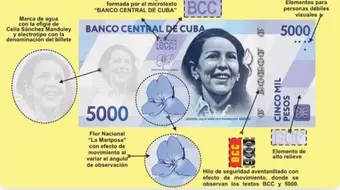
Cuba introduces 2000 and 5000 peso bills to combat rampant inflation
The Central Bank of Cuba releases new high-denomination banknotes (2,000 and 5,000 CUP) to facilitate cash transactions amid the ongoing economic crisis.
Cuba introduces 2000 and 5000 Pesos banknotes amid rampant inflation
The Central Bank of Cuba issues new high-denomination bills to address cash shortages and price escalation on the island.