El Ciervo Encantado Breaks with Cuban State After 30 Years
Cuba's most important experimental theater group announces split from Ministry of Culture after years of censorship.
3 min read
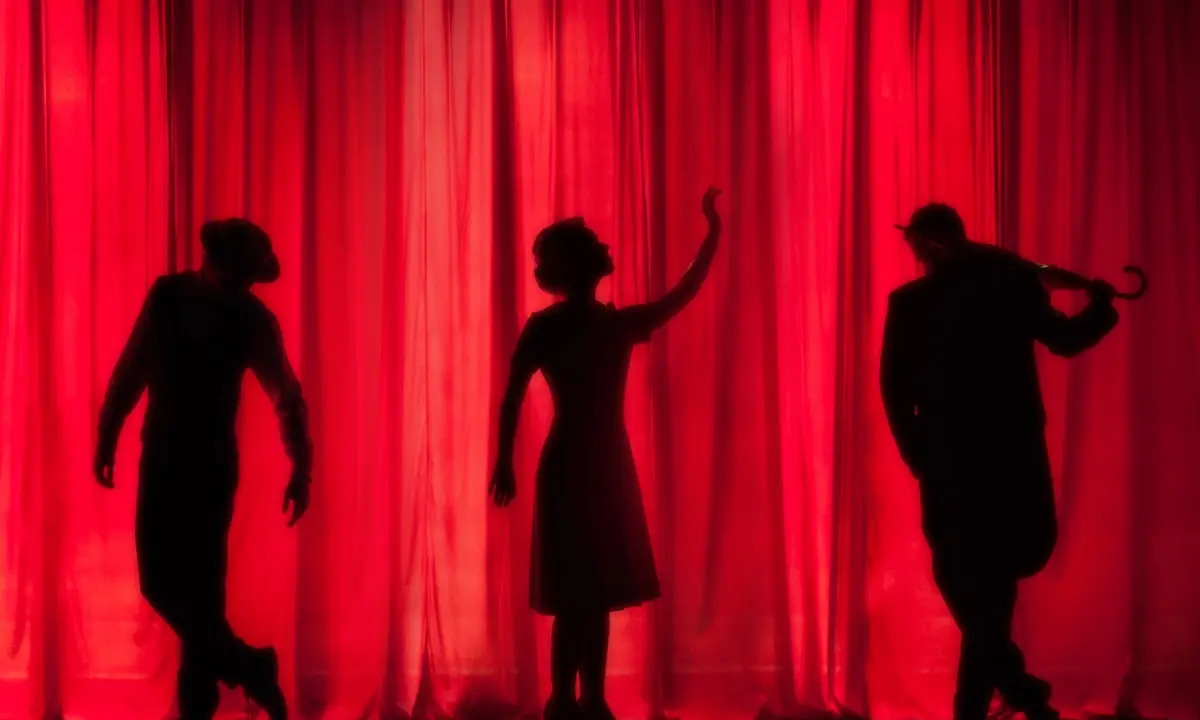
El Ciervo Encantado, considered Cuba’s most important experimental theater group, has officially announced its break from state cultural institutions. The decision marks a historic milestone in contemporary Cuban theater.
30 Years of Experimental Theater
Founded on October 20, 1996—Cuban Culture Day—by director Nelda Castillo and actress/theater scholar Mariela Brito, El Ciervo Encantado emerged as a scenic laboratory fusing theater, visual arts, music, dance, and performance art.
The group is characterized by moving away from traditional theatrical language, operating from a blurred frontier where the following coexist:
- Ritual and installation
- Body art and happening
- Artivism and staging
“This 2026, El Ciervo turns 30, and we will celebrate it with the joy of having a genuine body of work, which we will continue sharing and protecting.”
— Official group statement
The Break with the State
In February 2026, the collective formally announced its separation from:
- The Havana Theater Center (CTH)
- The National Council of Performing Arts (CNAE)
- The Ministry of Culture (MINCULT)
As a consequence, the group will leave their historic headquarters at Línea and 18, in Vedado, Havana, a space they occupied for years.
Context: Years of Censorship
The decision wasn’t sudden. The group faced multiple censorship episodes:
August 2024: State Security and CNAE banned the premiere of Acción #14 Las Brujas Uruguay, directed by Nelda Castillo with stage direction by Lázaro and César Saavedra. Artist Lázaro Saavedra, 2014 National Plastic Arts Prize winner, publicly denounced the censorship.
July 2024: The work Madres was indefinitely postponed by CNAE, the Ministry of Culture, and State Security.
April 2023: The Ministry of Culture prohibited the screening of Cuban filmmakers’ works at the group’s venue, including La Habana de Fito by Juan Pin Vilar and Existen by Fernando Fraguela.
A Singular Poetics
Nelda Castillo developed El Ciervo Encantado from her pedagogical experience at the Superior Institute of Art of Cuba. The collective’s work is grounded in rigorous research on the expressive means of the performer.
Among their most recognized works are:
- Visiones de la cubanosofía (2005)
- Variedades Galiano (2010)
- Departures
- La Célula Fundamental
In 2025, the piece La Virgen became part of the National Museum of Fine Arts of Cuba collection.
Reactions in the Cultural World
The decision generated immediate support from the Cuban artistic community.
Theater scholar Habey Hechavarría stated: “This revolutionary decision not only opens a new chapter for El Ciervo Encantado, but also marks a milestone in Cuban theater history. Whatever its development, the impact on the political imaginary of Cuban culture will be devastating.”
Historian Alina Bárbara López Hernández expressed: “My respect and admiration for you. Thank you for the lesson in dignity.”
An Independent Future
The group thanked those who have accompanied them and confirmed they will continue their artistic work autonomously. Although they didn’t specify where they will develop their work or how they will operate without institutional support, their statement reaffirms commitment to their art and audience.
El Ciervo Encantado’s break represents more than an administrative decision: it’s an act of cultural resistance that redefines the relationship between art and power in Cuba.
Related: Digna Guerra and Cuba’s National Choir • Havana Book Fair postponed
Frequently asked questions
What is El Ciervo Encantado?
Why did El Ciervo Encantado break with the Cuban state?
What famous works has El Ciervo Encantado produced?
How we got here
Background
The first thing we published on this topic.
Cuban Music Conquers the Latin Grammys
Cuban artists sweep the ceremony with awards in multiple tropical music categories.
Old Havana Restoration Reaches a New Milestone
Rehabilitation work in the historic quarter reveals colonial frescoes from the 18th century.
Related articles
Benny Moré: The Bárbaro del Ritmo Who Conquered Cuba and the World
63 years after his death, we remember Cuba's greatest singer. From cane cutter to legend with the Banda Gigante.
Jazz Plaza 2026: Havana Beats to Jazz Rhythms Amid Crisis
Jazz Plaza celebrated its 40th edition in Havana (Jan 25-Feb 1) with 286 international artists, proving Cuban music endures despite blackouts.

TITOVERSE: Cuba Launches Its First Animated Superhero Series
ICAIC debuts TITOVERSE: Genesis, Cuba's first animated superhero series aiming to capture global audiences with Cuban identity.

Direlia Lazo: The Cuban Running Latin America's Biggest Art Fair
Meet Direlia Lazo, the Havana-born curator and artistic director of Zona Maco 2026, which just welcomed 82,000 visitors to Mexico City.
Changüí of Guantánamo: The Forgotten Root of Cuban Son
Discover changüí, the 200-year-old musical genre born in Guantánamo's sugar cane fields that gave birth to Cuban son.
Alberto Korda: The Photographer Behind the World's Most Iconic Image
Meet Alberto Korda, the Havana photographer who captured Guerrillero Heroico, the most reproduced photo of Che Guevara.