Changüí of Guantánamo: The Forgotten Root of Cuban Son
Discover changüí, the 200-year-old musical genre born in Guantánamo's sugar cane fields that gave birth to Cuban son.
4 min read
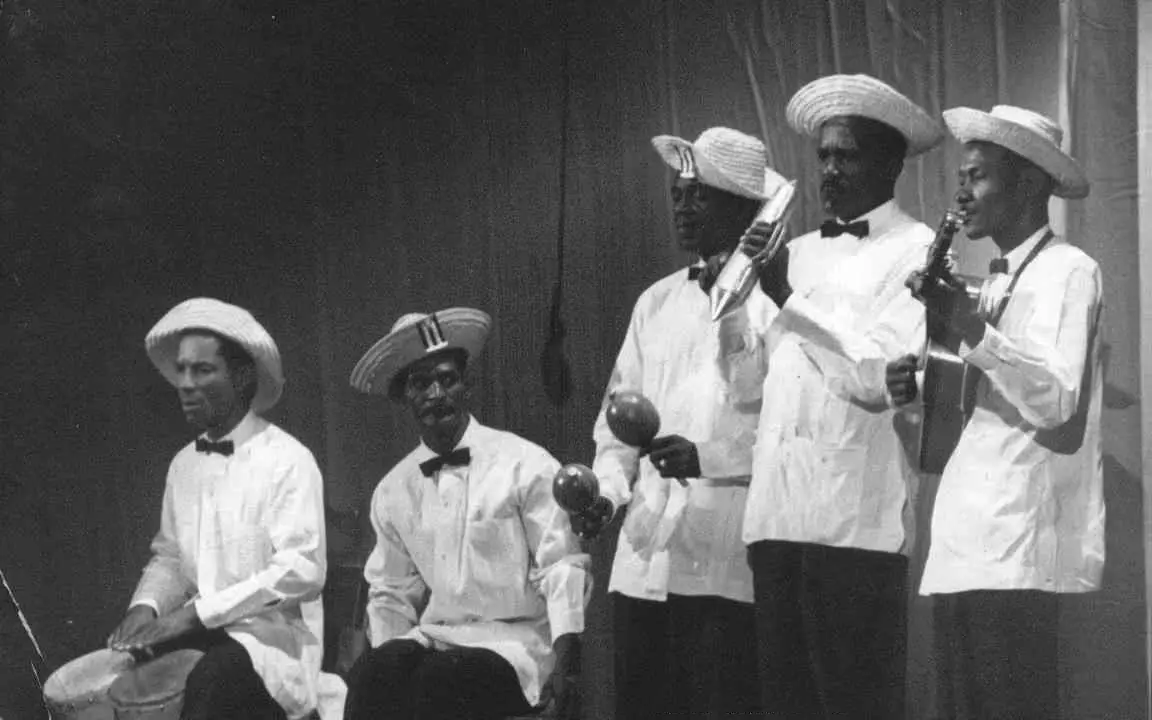
In Cuba’s far eastern reaches, where the Yateras Mountains meet the sugar cane fields of Guantánamo, a rhythm has been resisting oblivion for over 200 years. It’s called changüí—the music of peasants and cane workers, the secret grandfather of the Cuban son that conquered the world.
The Birth of a Genre
The word changüí originally meant “party” or “celebration.” When Fridays ended the workweek at the sugar mills, workers—many of them enslaved people or their descendants—would gather to celebrate with improvised music.
“If music be the fabric of life in the rest of Cuba, then changüí is existence itself. It’s as if guantanameros were created solely for the purpose of sharing in the music of changüí, to the betterment of the rest of the world.” — Arturo O’Farrill, founder of the Afro Latin Jazz Orchestra
Without access to formal instruments, changüiseros improvised with whatever they had: a machete and its sharpener served as a güiro, dried gourds became maracas, and sometimes even a cow’s jawbone provided rhythmic percussion.
The Instruments of Changüí
The traditional changüí ensemble consists of five essential instruments:
- The Cuban tres: A three double-stringed guitar that carries the melody and marks the characteristic syncopated guajeos
- The bongo del monte: A rustic version of the bongo, deeper and more resonant
- The marímbula: A thumb bass of African origin, ancestor of the upright bass in Cuban music
- The güiro or guayo: A scraper that maintains the constant pulse
- Maracas: Which complement the rhythmic framework
Why Changüí Sounds Different
Unlike son and other Cuban genres governed by the clave, changüí doesn’t use it at all. Its rhythm is syncopated with swing, closer to African call-and-response than Spanish structure.
“Changüí is different. It’s syncopated, it swings, and it’s call-and-response,” explains music journalist Gianluca Tramontana, who spent over two years documenting this tradition. “Cuban music is generally on the clave, in straight time. Changüí is completely different.”
Living Heritage
In 2018, Cuba’s National Council of Cultural Heritage officially recognized changüí as Intangible Cultural Heritage of the Nation, confirming its historical importance and the urgency of preserving it.
The genre stays alive thanks to legendary groups like:
- Grupo Changüí de Guantánamo: Founded in 1945 by the Latamblé brothers
- Las Flores del Changüí: An all-female group led by Floridia Hernández Daudinot, who learned tres from her grandmother, continuing a four-generation tradition
- Grupo Familia Vera: Representatives of the rural Yateras style
Changüí Is Not Played, It’s Lived
“Changüí is not really something you do. Changüí is a life. You live and breathe changüí,” Tramontana explains. “The changüí musicians, they’re born into it, and they’re changüiseros from the cradle to the grave.”
Women play a central role in this tradition, often hosting the parties and venues where the music is played. Changüisis (changüí parties) can last up to three days, with musicians taking turns to keep the rhythm alive.
Hearing Authentic Changüí
In 2021, Petaluma Records released “Changüí: The Sound of Guantánamo”, a 3-CD collection with 50 tracks recorded in the homes, backyards, and porches of musicians from the region. It’s the first comprehensive compilation of this genre, produced by Gianluca Tramontana with Grammy-winning mastering.
For deeper exploration of changüí history, Dr. Benjamin Lapidus’s book “Origins of Cuban Music and Dance: Changüí” is the definitive academic reference.
The Changüí Elio Revé Matos Festival
Every year, the city of Guantánamo celebrates the Changüí Elio Revé Matos Festival, named after the legendary tres player father of Elio Revé Jr. For three days, more than 20 local groups compete and perform, keeping alive a tradition that refuses to die.
Changüí reminds us that the deepest roots of Cuban music aren’t in Havana or Santiago, but in the mountains and cane fields of the most remote east, where every Friday, for over two centuries, people have celebrated life with music.
Frequently asked questions
What is changüí and where did it originate?
What is the relationship between changüí and Cuban son?
What instruments are used to play changüí?
Is changüí a Cultural Heritage of Cuba?
How we got here
Background
The first thing we published on this topic.
Cuban Music Conquers the Latin Grammys
Cuban artists sweep the ceremony with awards in multiple tropical music categories.
Son Cubano: The Rhythm That Conquered the World
From the mountains of Oriente to Broadway stages. History, instruments, and legends of the musical genre that defines Cuba.
Related articles

Roberto Salas: The Photographer Who Immortalized the Cuban Revolution
Roberto Salas receives Cuba's 2025 National Prize for Visual Arts for his work capturing six decades of Cuban history.
Nicolás Guillén: The Poet Who Made Cuban Son Sing
Discover the life and work of Nicolás Guillén, Cuba's National Poet who fused African rhythms with poetry to create the Afro-Cuban movement.

TITOVERSE: Cuba Launches Its First Animated Superhero Series
ICAIC debuts TITOVERSE: Genesis, Cuba's first animated superhero series aiming to capture global audiences with Cuban identity.
No Seasoning: Afro-Cuban Outsider Art Arrives in Miami
Historic exhibition brings together seven Afro-descendant Cuban outsider artists in North Miami. Features works by Luis Manuel Otero Alcántara.
Jazz Plaza 2026: Havana Beats to Jazz Rhythms Amid Crisis
Jazz Plaza celebrated its 40th edition in Havana (Jan 25-Feb 1) with 286 international artists, proving Cuban music endures despite blackouts.
New Cuban Cinema: ICAIC Gems That Defined a Generation
Discover the most influential Cuban films from the 60s-80s: Memories of Underdevelopment, Lucía, I Am Cuba, and Strawberry and Chocolate.