Havana Book Fair Postponed: Fuel Crisis Hits Cuban Culture
The 34th Havana International Book Fair, scheduled for Feb 12-22 at La Cabaña fortress, is postponed due to Cuba's deepening fuel crisis.
4 min read
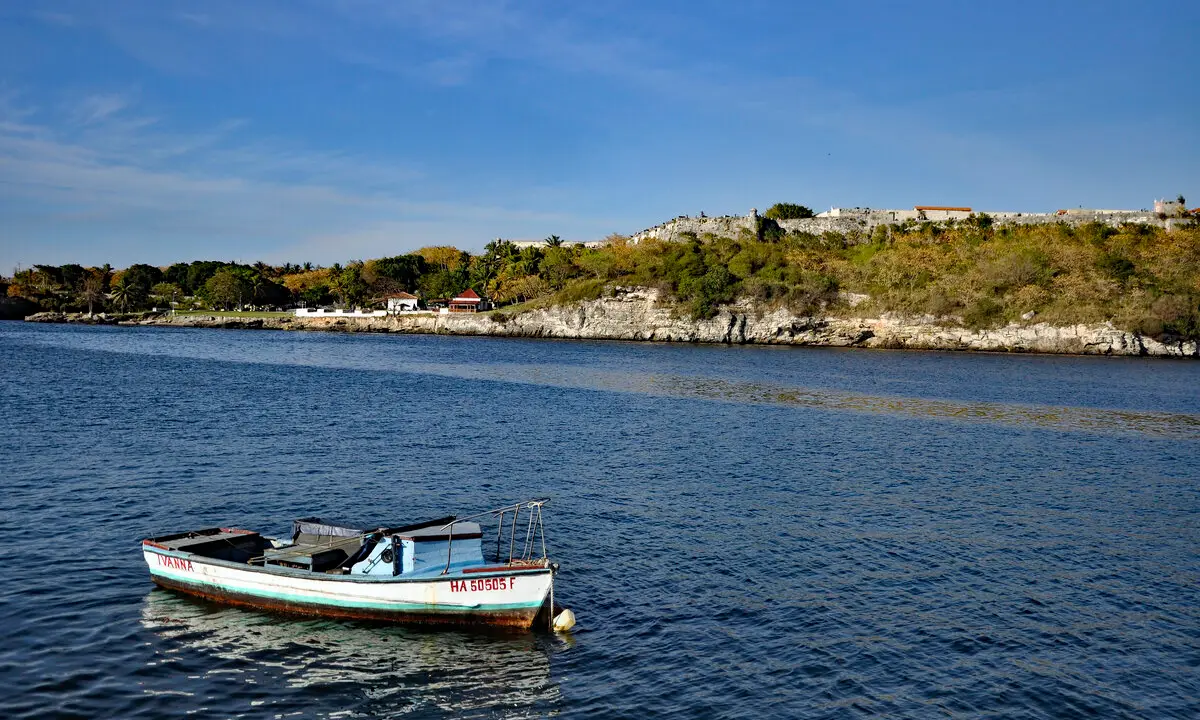
Today, February 12, 2026, should have marked the opening of the 34th Havana International Book Fair at the majestic Fortaleza de San Carlos de la Cabaña. Instead, the colonial stone corridors remain silent. Cuba’s fuel crisis has accomplished what neither hurricanes nor pandemics easily could: halting the island’s most attended cultural event.
A decision nobody wanted to make
On February 6, the Cuban Book Institute (ICL) issued a statement confirming the postponement of the fair, scheduled for February 12-22. Culture Minister Alpidio Alonso explained on national television that “an event as large as the Book Fair, which is the cultural event that draws the most people, especially at La Cabaña, has led us to postpone it.”
The immediate cause: a severe fuel shortage gripping Cuba following tightened U.S. sanctions. In January 2026, President Donald Trump signed an executive order threatening tariffs on countries selling oil to the island. Mexico, a historic supplier, cut its shipments for the first time in a decade.
With public transportation barely functioning, no guarantee of stable electricity, and nine airports without available jet fuel, organizing an event that historically attracts over half a million visitors proved impossible.
44 years of literary history
The Havana International Book Fair was born in 1982, initially held every two years. Its early editions took place at the Fine Arts Palace, but in 2000 it found its permanent home: the imposing Fortaleza de San Carlos de la Cabaña, an 18th-century fortress overlooking Havana’s harbor entrance.
Since then, the fair has become far more than a publishing event. It’s a massive popular festival where converge:
- Book launches from Cuban and international publishers
- Poetry readings and author meet-and-greets
- Evening concerts in the fortress’s moats
- Children’s activities and writing workshops
- Art exhibitions and film screenings
After its Havana run, the fair tours every province in the country for weeks, traditionally ending in Santiago de Cuba. This itinerancy makes it unique: a literary event that reaches the island’s most remote corners.
Cuba, a nation of readers
The fair is a direct heir to one of the Cuban Revolution’s most celebrated achievements: the National Literacy Campaign of 1961, when over 700,000 volunteers—many of them teenagers—fanned out across farms and mountains to teach reading and writing. Cuba reduced illiteracy from 23% to under 4% in a single year.
Today, according to the United Nations, Cuba maintains one of the world’s highest literacy rates, near 99.8%. Books at the fair are sold in Cuban pesos at subsidized prices, a deliberate policy to keep reading accessible.
Among Cuban authors honored in past editions are literary giants like José Martí, Nicolás Guillén, and Alejo Carpentier, whose legacies remain pillars of Cuban cultural identity.
La Cabaña: fortress turned library
The choice of La Cabaña as venue is no accident. Spanning 700 meters end to end across 19 hectares, it’s the third-largest fortress in the Americas and a UNESCO World Heritage Site since 1982. Its galleries, courtyards, and gun emplacements transform every February into an ephemeral literary city.
The 2009 edition recorded approximately 600,000 visitors—a staggering figure for a country of 11 million. For many Cubans, the Book Fair is the year’s most anticipated cultural event, a space where literature mingles with music, conversation, and rum.
What’s lost with the postponement
The ICL assured that book production will continue, “primarily in digital format, but also in print.” However, the fair is far more than book sales. It’s a cultural barometer, a meeting point for writers, publishers, readers, and diaspora members who return every February.
The crisis has also affected the National Baseball Series, other sporting events, and the operations of cultural institutions across the island. Cuba faces a situation many compare to the worst moments of the Special Period of the 1990s.
The promise of a new date
The Cuban Book Institute indicated that the new date “will be announced in due course.” For the millions of Cubans who look forward to this event each year, the hope is that the fair is delayed, not cancelled.
Because if Cuba has proven anything throughout its history, it’s that culture endures. From the mass literacy campaign of 1961 to the poetry nights at La Cabaña, the island has always found a way to keep the love of books alive, even in the most difficult times.
The 34th Havana International Book Fair will happen. We just don’t know when yet.
Frequently asked questions
Why was the 2026 Havana Book Fair postponed?
When was the 34th Havana Book Fair scheduled?
How long has the Havana Book Fair existed?
What other cultural events has Cuba's crisis affected?
How we got here
Background
The first thing we published on this topic.
Cuban Music Conquers the Latin Grammys
Cuban artists sweep the ceremony with awards in multiple tropical music categories.
Old Havana Restoration Reaches a New Milestone
Rehabilitation work in the historic quarter reveals colonial frescoes from the 18th century.
Related articles
Havana Book Fair Postponed Amid Cuba's Deepening Fuel Crisis
The 34th Havana International Book Fair, dedicated to Fidel Castro's centennial with Russia as guest country, suspended indefinitely.
Leonardo Padura Presents Morir en la Arena at Hay Festival 2026
The master of Cuban noir fiction presents his new novel in Barranquilla, exploring 50 years of Cuba's history.
Punto Cubano: Cuba's Sung Poetry Declared UNESCO Heritage
Discover punto cubano, the improvised sung poetry of Cuban farmers declared UNESCO Intangible Cultural Heritage in 2017.
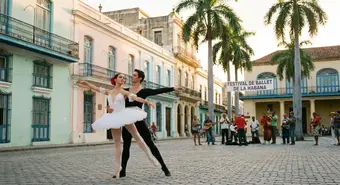
Carlos Acosta Reinvents The Nutcracker with Cuban Flavor
The legendary Cuban dancer transforms the holiday classic with Nutcracker in Havana, fusing classical ballet with Afro-Cuban rhythms.
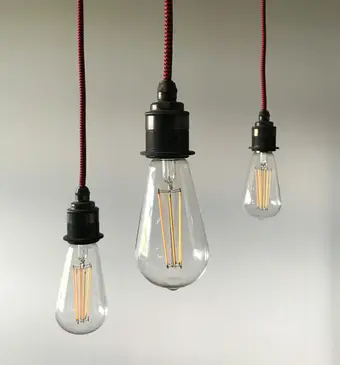
Félix González-Torres: Sweet Revenge Arrives in Madrid May 2026
The Reina Sofía Museum presents a major retrospective of the Cuban artist who turned candy and lightbulbs into visual poetry.
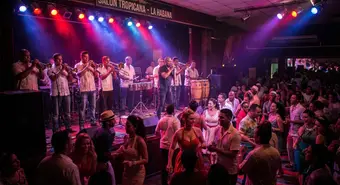
Cuban Timba: The Most Explosive Music Born in Havana
Discover Cuban timba, the genre that fused son, funk, and rumba in the 1990s. History, key bands, and rhythms conquering the world.