Leonardo Padura Presents Morir en la Arena at Hay Festival 2026
The master of Cuban noir fiction presents his new novel in Barranquilla, exploring 50 years of Cuba's history.
4 min read
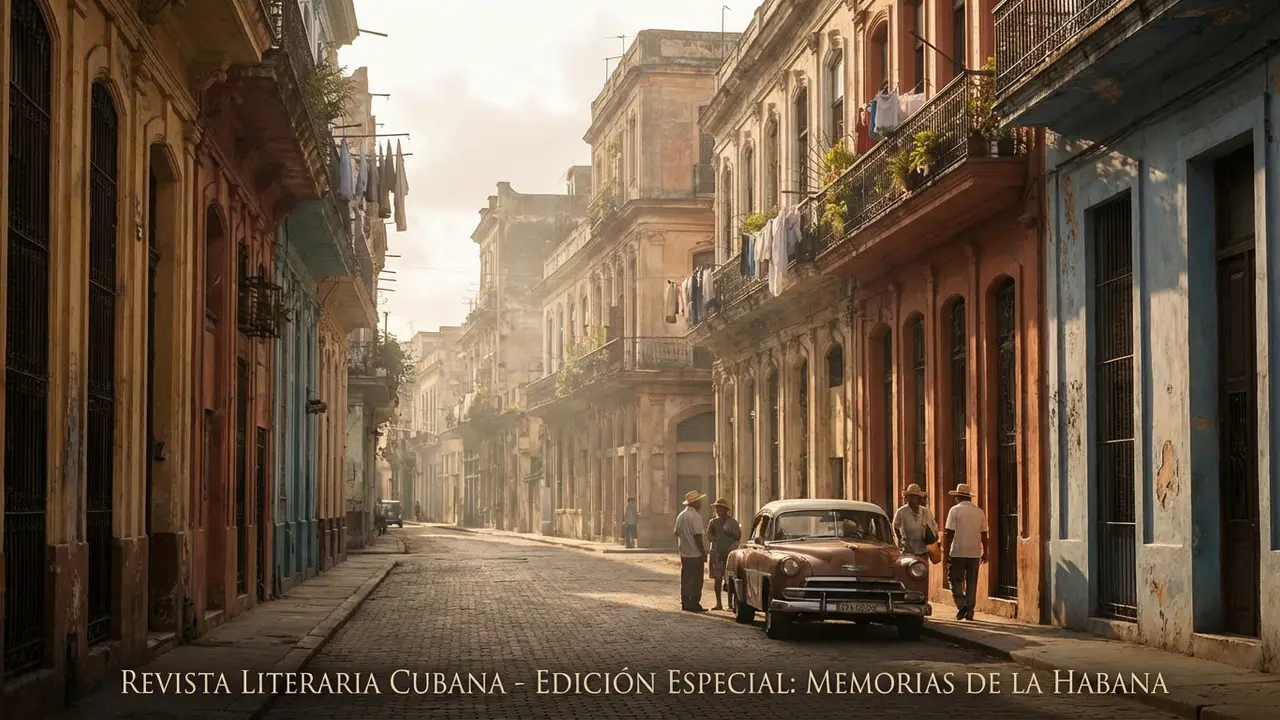
Illustration: Aroma de Cuba (AI)
Leonardo Padura, Cuba’s most prestigious writer of his generation, once again captivated Latin American audiences during the Hay Festival held in Cartagena and Barranquilla in early February 2026. At Universidad del Norte, the seventy-year-old author presented his new novel “La puerta grande o morir en la arena” (The Main Gate or Die in the Sand), a work that promises to become another milestone in contemporary Cuban literature.
A Return to the Eternal Havana
Padura’s new novel continues his obsessive exploration of Havana, the city that has been both setting and protagonist of virtually all his work. As he explained during his presentation: “When I’m in the Colombian Caribbean, I have trouble knowing where I am. I don’t know if I’m in Cartagena, Barranquilla, or Havana.”
In Morir en la arena, we meet Rodolfo, a recently retired man carrying a past that never fully closed. The story spans more than five decades of Cuban history—from the mid-twentieth century to the early 2000s—interweaving:
- A patricide committed by his brother
- Memories of the Angolan War
- An old love that silently reappears
The Art of Telling What’s Already Known
During his conversation with Professor Alana Roa, Padura reflected on the challenges of historical and detective fiction, genres he has mastered like few others writing in Spanish:
“The real challenge is how to tell a story when the reader already knows the most dramatic event beforehand. How do you tell a story when the main event is known before you even start reading?”
This question has guided masterpieces like The Man Who Loved Dogs (2009), his monumental novel about Trotsky’s assassination, and Heretics (2013), winner of the City of Zaragoza Historical Novel Prize.
Mario Conde: The Detective Who Portrays Cuba
Although Morir en la arena doesn’t belong to the Mario Conde series, it’s impossible to discuss Padura without mentioning his celebrated detective. From Havana Blue (1991) to Decent People (2022), Mario Conde has walked Havana’s streets as witness and chronicler of Cuba’s transformations.
The detective—nostalgic, melancholic, a lover of rum and boleros—has become Padura’s literary alter ego, allowing him to explore the social, economic, and political tensions of the island through crime plots that transcend the genre.
The Heterodox Writer
Padura defined himself as a “heterodox writer,” someone who writes from freedom rather than labels. His literary influences are vast: from Alejo Carpentier and José Lezama Lima to Mario Vargas Llosa and Cabrera Infante.
“The fashionable writers were Vargas Llosa, Cabrera Infante, Juan Rulfo, Alejo Carpentier, Lezama Lima… When I was writing my first novel, I had to stop because I was reading Palinuro of Mexico and was writing like Fernando del Paso.”
Why Padura Doesn’t Leave Cuba
Unlike many Cuban intellectuals of his generation, Leonardo Padura has chosen to remain in Havana. His recent book “Ir a La Habana” (Going to Havana, Tusquets Editores, 2024) is a tribute to the city that shaped him—an intimate and critical journey through its streets, its people, its ruins, and its beauty.
For Padura, writing about Cuba is “a form of resistance, memory, and love.” And although he acknowledges the country’s difficulties, his gaze is never that of a tourist or an exile, but of the habanero who knows every corner of his city.
An Essential Voice
With the Princess of Asturias Award for Literature (2015) and translations into more than twenty languages, Leonardo Padura has established himself as one of the most important voices in contemporary Spanish-language literature. His work transcends borders and genres, offering a unique window into the Cuba that lives, remembers, and dreams.
Morir en la arena is available in Spanish-language bookstores and promises to be one of the essential reads of 2026.
Have you read Leonardo Padura? Discover more about Cuban literature and culture at Aroma de Cuba.
Frequently asked questions
Who is Leonardo Padura?
What is Morir en la Arena about?
Why does Padura still live in Cuba?
What are Mario Conde's most famous novels?
How we got here
Background
The first thing we published on this topic.
Cuban Music Conquers the Latin Grammys
Cuban artists sweep the ceremony with awards in multiple tropical music categories.
Old Havana Restoration Reaches a New Milestone
Rehabilitation work in the historic quarter reveals colonial frescoes from the 18th century.
Related articles
Punto Cubano: Cuba's Sung Poetry Declared UNESCO Heritage
Discover punto cubano, the improvised sung poetry of Cuban farmers declared UNESCO Intangible Cultural Heritage in 2017.
Carlos Acosta Reinvents The Nutcracker with Cuban Flavor
The legendary Cuban dancer transforms the holiday classic with Nutcracker in Havana, fusing classical ballet with Afro-Cuban rhythms.

Félix González-Torres: Sweet Revenge Arrives in Madrid May 2026
The Reina Sofía Museum presents a major retrospective of the Cuban artist who turned candy and lightbulbs into visual poetry.
La Cosa: The Secret Language That Reveals Cuba's Soul
When a Cuban asks '¿Cómo está la cosa?', they say everything while saying nothing. Discover the coded language that defines Cuban resilience.
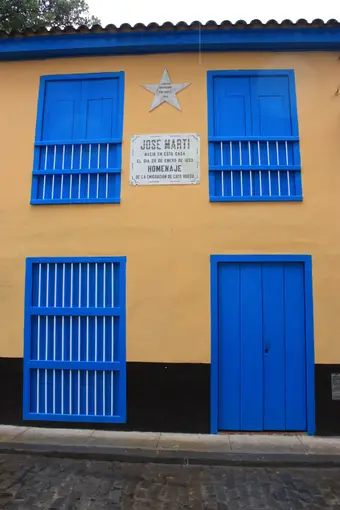
José Martí: Cuba's Apostle Who Built a Nation Through Poetry
Life and legacy of José Martí, Cuban national hero, modernist poet, and independence leader. From prison to the Versos sencillos.
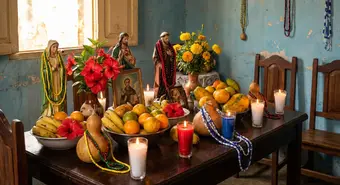
Cuban Santería: The Religion of the Orishas and Its Power
Discover Cuban Santería, its orishas, rituals, the 2026 Letra del Año prophecy, and how this Afro-Cuban religion thrives today.