US Supreme Court Weighs Cuba Property Claims Worth Billions
The US Supreme Court hears its first-ever Helms-Burton Act Title III arguments: ExxonMobil seeks $1 billion from Cuba and cruise lines face huge claims.
4 min read
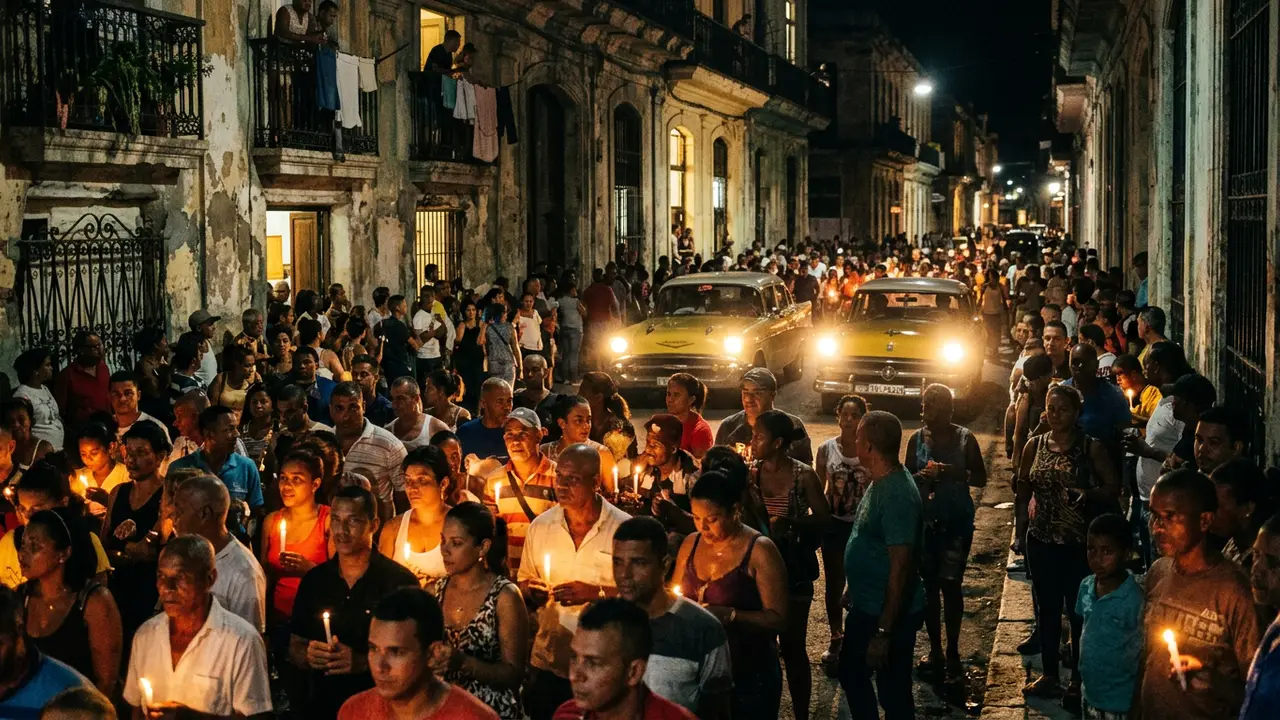
Illustration: Aroma de Cuba (AI)
The United States Supreme Court took a historic step Monday in the long and fraught relationship between Washington and Havana. On February 22, 2026, the justices heard oral arguments for the first time ever on the scope of Title III of the Helms-Burton Act — a provision that has sat at the center of US-Cuba legal disputes for three decades but that no Supreme Court has ever interpreted.
At stake: billions of dollars in claims for properties confiscated after the revolution that brought Fidel Castro to power in 1959.
Two Cases at the Heart of the Debate
The justices are examining two separate but legally related cases:
Case 1: ExxonMobil vs. CIMEX The US oil giant is seeking more than $1 billion in compensation from CIMEX, a Cuban state-owned enterprise, for oil and gas assets confiscated by the revolutionary government in 1960. ExxonMobil filed its suit in Washington in 2019, after Trump lifted the Title III suspension. The central legal question: can Cuban state-owned companies invoke the doctrine of foreign sovereign immunity to avoid US courts?
Case 2: Havana Dock Company vs. Four Cruise Lines A small firm that built docks in Havana’s harbor before the revolution is suing Carnival, Royal Caribbean, Norwegian Cruise Line, and MSC Cruises for using those confiscated port facilities. The question: are private companies liable simply for using stolen property?
A 30-Year Law — Never Before Interpreted
Title III was included in the Helms-Burton Act of 1996, which codified the US trade embargo against Cuba that Kennedy had imposed by executive order in the 1960s. The provision allows US nationals to sue in federal courts any entity that “traffics” in property confiscated by Cuba’s government.
But Presidents Clinton, Bush, and Obama kept Title III suspended year after year, fearing diplomatic fallout with European and Canadian allies invested in Cuba. It was Donald Trump who permanently activated it in 2019, with the State Department saying the move would “ratchet up pressure on the Cuban government.”
Since then, roughly 40 lawsuits have been working their way through the courts. Today, for the first time, the Supreme Court sets the definitive legal framework.
Cuba’s Defense: Sovereign Immunity
CIMEX and its lawyers argue that a 2024 lower court ruling — which allowed Cuban state-owned enterprises to claim foreign sovereign immunity — should be upheld. Under that doctrine, foreign governments and their agencies are generally shielded from being sued in US courts.
ExxonMobil rejects that reasoning. In court filings, its lawyers argued that the 2024 decision “imposes yet another in a long line of barriers to recovery for victims of the Castro government’s illegal confiscations.”
Context: Cuba Under Maximum Pressure
The hearing arrives as Cuba faces unprecedented pressure. The Trump administration has declared the island an “unusual and extraordinary threat” to US national security, cutting off Venezuelan oil and threatening tariffs on any country supplying Cuba with fuel.
As Mike Hammer, the top US diplomat in Havana, confirmed this very morning, change in Cuba “is approaching.” Against that backdrop, the Supreme Court is today laying the legal groundwork for what happens to confiscated property when that change arrives.
The blockade is already devastating: Cuba’s healthcare system is on the brink of collapse, fuel reserves are below 20 days, and Russia is attempting to covertly supply fuel via tanker. Cuba appealed to the UN against the full blockade, and the Trump administration has confirmed it is negotiating directly with elements of the Cuban regime.
What the Supreme Court Decides — and When
Oral arguments are today. The ruling could take months — Supreme Court decisions are typically issued before the term ends in June. But whatever the justices decide, it will set a precedent affecting dozens of active lawsuits and potentially billions in claims for properties Cuba’s communist government nationalized more than six decades ago.
For Cuban Americans who lost their heritage in that revolution, and for multinational companies operating on the island, this Monday is a date that will not easily be forgotten.
Image: United States Supreme Court building, Washington D.C. Wikimedia Commons (CC BY-SA).
Sources: Reuters · CNBC · US News & World Report
Frequently asked questions
What is Title III of the Helms-Burton Act and what does it allow?
What Cuba cases is the Supreme Court hearing today?
Is this the first time the Supreme Court has interpreted Helms-Burton Title III?
How much money is at stake in Helms-Burton lawsuits?
Sources
- Reuters · reuters.com
- CNBC · cnbc.com
- US News & World Report · usnews.com
How we got here
Background
The first thing we published on this topic.
White House: US and Cuba Negotiating, Demands Havana Prudence
Spokesperson Karoline Leavitt claims diplomacy is underway with Cuba, while Díaz-Canel's government denies formal negotiations exist.
Giménez Demands Delta, American Suspend Cuba Flights
The Cuban-American legislator sends letters to US airlines demanding they cease operations to Cuba over national security concerns.
Related articles

Russian Communist Leader: Cuba Made a 'Fatal Error' Betting on Tourism
Daria Mitina of Russia's United Communist Party said Cuba invested 32% in tourism vs. 12% in energy — calling it a 'fatal strategic mistake.'
Mike Hammer: 'Yes, Cuba Will See Historic Change in 2026'
The top US diplomat in Havana confirmed secret contacts with the Cuban regime and predicted a transition that 'will surprise us all' this year.
Trump Restricts Work Permits for Asylum Seekers in the U.S.
DHS proposes extending work permit wait to 365 days for asylum seekers and pausing applications. Over 1.4 million cases pending.

Cuban Security Forces Leave Venezuela Under US Pressure
Cuban military advisers and doctors are exiting Venezuela as Delcy Rodriguez yields to Washington's pressure, according to a Reuters exclusive.
DHS: 7% of Cuba's Population Entered the U.S. Under Biden
Homeland Security claims 7% of all Cubans crossed illegally into the US between 2021 and 2025. Cuba ranks alongside Nicaragua.
DHS Admits Errors in 'Worst' Migrants List: 1,900 Cubans Included
The DHS website showcasing detained migrants as worst criminals is riddled with errors. About 1,900 Cubans are listed.